An Ebola case Arrives in Kenya
By Allison Kozicharow; Edited by Elizabeth Fine
On October 6 the Kenya Ministry of Health registered its first case of the fast-spreading Bundibugyo Ebola virus from a man who subsequently died after a flight to Nairobi from the Democratic Republic of Congo (DRC).
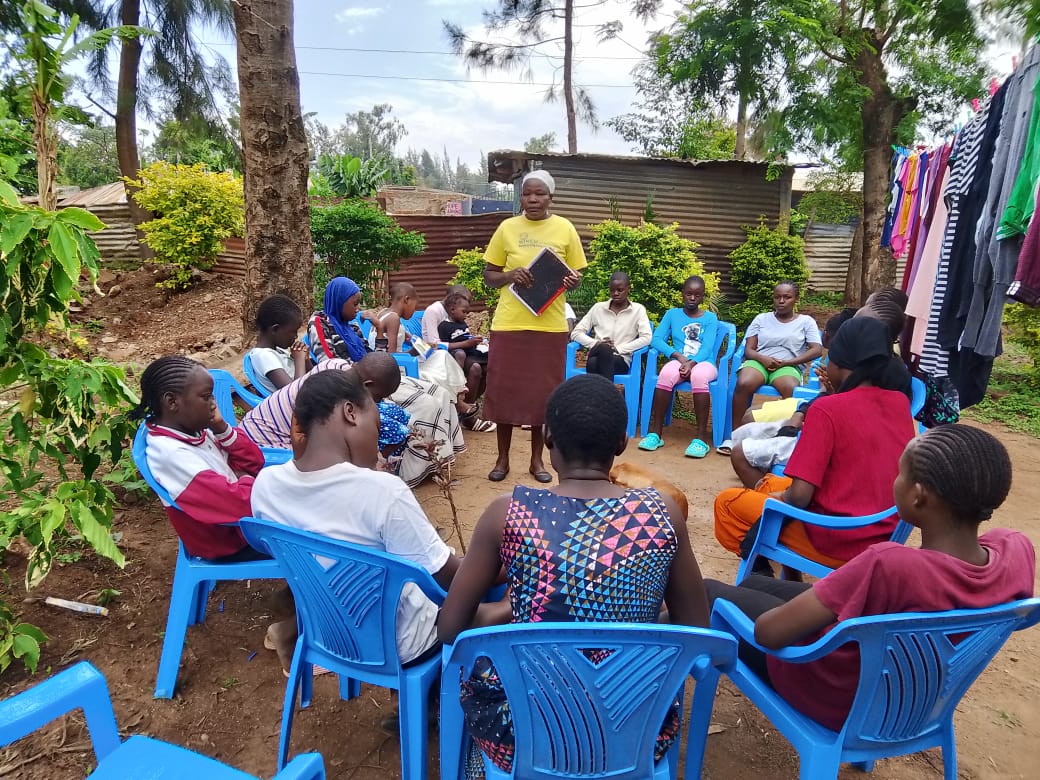
Consequently, in addition to delivering their September report, WiRED International’s community health worker (CHW) team in Kisumu, Kenya are conducting additional Ebola training to help their communities stay informed and safe.
Earlier this year, in response to the Ebola outbreak in the DRC , WiRED International expanded our Ebola training series and also implemented our Health Alert System, designed to warn CHWs about urgent and emerging health issues.
Ever since the Trump administration eliminated USAID and slashed other global health aid, WiRED has continued to amplify all our CHW training programs. As always, we emphasize behavioral prevention messages to help communities avoid the spread of diseases such as Ebola (for which there is no cure).
WiRED’s Ebola module series includes:
- Ebola: Infection Prevention and Control for Healthcare Workers in Community and Health Care Settings
- Ebola: General Audiences

- Ebola: Students & Families
- Ebola: WHO Guidelines for Burial Protocols for the Burial Management Team
- Outbreak Preparedness and Emergency Response (for community health workers)
- Infectious Diseases Basics (animation).

WiRED received the CHW monthly report from Kisumu not only amid fears about Ebola but during a period of heavy El Niño rain causing flooding and power outages. Despite these issues, our CHWs continue to carry on with their work providing health services to low-resource communities in Western Kenya — where they reached nearly 11,000 people this September!
CHW Report for September
Tuberculosis (TB)
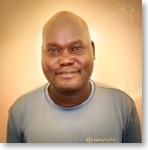 During the month of September, I continued to provide community outreach and health education awareness activities within the community of Obunga. During one of the outreach activities we held in Bandani I encountered a client who presented with symptoms that raised concern for possible TB. I provided the client with basic information on the importance of TB screening and referred her to KUAP Pandipieri for further screening and assessment. Following the referral, the client was screened and subsequently diagnosed with TB. She was linked to appropriate treatment and commenced medication.
I have continued to follow up with the client to monitor her progress, encourage adherence to prescribed medication and establish whether she is responding well to treatment. In this follow-up I have continued providing health education on the importance of completing the treatment course, observing preventive measures and seeking medical attention in case of any complications or worsening symptoms.
In addition to the direct community referral and follow-up, I participated in a TB training organized by KUAP through the county department of health. The training strengthened my knowledge and skills on TB, including the common signs and symptoms, modes of transmission, preventive measures, the importance of early screening and treatment and ways of supporting people diagnosed with TB.
The training also provided practical guidance on how to advise clients on proper sputum collection and the importance of following the correct procedures when providing samples for TB testing. The knowledge gained has strengthened my ability to identify possible TB cases within the community, provide appropriate health education and conduct follow-up with clients who have been linked to treatment.
—CHW Daniel Ayieko
TB
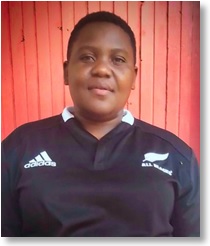 As I was doing my daily health education in the community I came across a certain family who had been coughing for the past two weeks. I talked to the mother about the cause of TB, signs and symptoms and preventive measures. After thorough counseling I referred the mother to the nearest health facility for further treatment. Five days later after follow–up I found out that she was diagnosed with TB and was under treatment. I advised the mother to take the whole family for TB screening.
 The family is now doing well and under medication for TB. They are so happy and thank WiRED and the CHWs for the good services we have been giving to community.
—CHW Mildred Digolo
TB
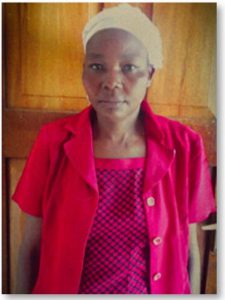 As I making rounds educating the community members about health issues, I came across a man who complained of persistent coughs and chest pains. I had a one-on-one session with him, and he told me that he lives with a relative who once had TB. I referred him to the health facility for diagnosis. He was screened and turned out to be TB positive. He was put on drugs and his life is now good. I encouraged him to adhere to his drugs and also for him to practice good nutrition through locally available foods and fruits. He’s now doing well and promises to visit the health facility in case of anything challenging concerning health. He appreciates the organization so much.
—CHW Milka Aoko Nyadiang’a
Mental Health
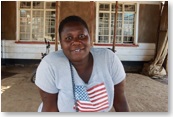 During this month I came across a certain group of youths at Kunya in Kibos and, after the introduction, they had this question, what does a CHW do? The youths have always heard and seen them, but they didn’t understand CHWs’ roles in the community. I explained that a CHW keeps watch on general health conditions, gathers information to assist medical systems in helping people stay healthy, creates awareness of accurate health information, supports the community during a disease outbreak, teaches healthy practices and how to lessen environmental health risks and also helps people who are in need of first aid. In short, a CHW is a link between the healthcare system and local communities and the population they serve. We’re teachers and communicators. We’re the eyes and ears of the health system to address our community needs. After the discussions, they were very happy and really thanked me for the awareness, especially about mental health. They promised to work together in case of any of the issues we talked about arose. I referred six of the youths for mental health counseling at Nyawitta dispensary. They went there and received services.
—CHW Bunnyce Atieno
Mental Health
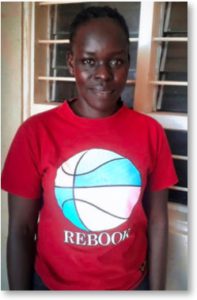 As I was doing my day-to-day health education at Bandani community I came across a certain mother who was really disturbed mentally. She had several issues at her home with her husband. I sat down with her to discuss the issues. Afterwards, I counseled her and educated her on the mental health issues. After that I again referred her to the nearest health facility for further counseling with professionals. After three days of follow-ups I found out that the lady is doing better. She really thanked WiRED for the good education that the CHWs offer the community. This month I referred six clients to health facilities for mental health issues. One person was found to be suffering from a severe mental health disorder and was taken through counseling with the trained health personnel.
—CHW Millicent Randiki
Cholera

 One day while conducting a household visit in my community, I met a mother who was worried about her child’s health. The child had frequent watery diarrhea, was vomiting and looked weak. As a CHW, I listened carefully to the mother and asked questions about the child’s symptoms. I explained that these could be signs of cholera and that the child needed urgent medical attention. I advised the mother to begin giving the child oral rehydration solution in small, frequent sips while taking the child to the nearest health care clinic, which is Kuoyo dispensary. I also educated the mother about preventing cholera through drinking safe water, washing hands with soap, using the latrine properly, preparing food hygienically and keeping the home and surroundings clean. I reminded her not to give the child unsafe medicines and encouraged her to seek help immediately if the child became more weak, sleepy or unable to drink. The mother followed the advice and took the child to the health facility. The child received proper treatment and rehydration and began to improve. This experience reminded me that being a CHW is not only about giving health information but it is also about listening, recognizing danger signs and supporting families.
—CHW Janet Awino Ochieng
Nutrition
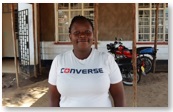 During my daily visits at Migosi community, I came across a certain family with a child who was really thin. You could tell that she had a problem. I had to question the family more to know what the problem was, and the mother clearly stated that her child doesn’t like food and sometimes survives with water alone. Clearly we had to talk about nutrition. I explained to the family that nutrition is the process of taking in foods that the body needs to function and remain healthy. The reason why the child was weak was because she wasn’t taking in enough food. I told them that we know that good nutrition is the cornerstone of good health and poor nutrition can lead to reduced immunity, increased susceptibility to disease, impaired physical and mental development and reduced activity in children. That’s why everyone needs healthy foods to grow and function well through the three life stages (infancy, childhood and adulthood). I explained to them that as people age, their bodies’ dietary needs change and that’s why their daughter cannot survive with milk alone. At 7 years old she needs calories, protein, vitamins and minerals. Children needs to receive all necessary nutrients for growth and development as we know eating healthy foods or diet helps prevent malnutrition and reduces the risk of becoming overweight. After that discussion, I referred them to a nutritionist at Migosi hospital. They followed my advice and received nutrition instructions, received supplements for appetite and were given the timetable for healthy children’s diet.
—CHW Lency Mmbone
Pneumonia
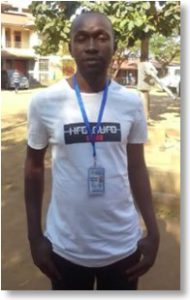 While some of the symptoms of pneumonia may look exactly like those of TB, it is always advisable for one to go for a check-up to determine an accurate diagnosis. Pneumonia symptoms include cough, fever, chest pain, shortness of breath and fast breathing, loss of appetite and tiredness. I came across a parent who was experiencing symptoms of pneumonia, but he believed he had TB. I referred him to the dispensary where he was diagnosed with pneumonia. He is now on drugs and getting better.
—CHW Zackary Omondi
Handwashing
The community health workers walk door to door to educate the community members on the importance of handwashing. There are five critical times of hand washing:
- After visiting the toilet
- Before handling food
- Before eating
- After changing the baby’s diaper
- After touching a sick person
The community members used to not take handwashing as something that can prevent us from contracting diseases. Also, due to a recent cholera outbreak, the community now has a positive response to handwashing.
—CHW Milka Aoko Nyadiang’a
Sleep Disorder

I met a lady who shared that she has been having trouble falling asleep. This has been going on for a period of two months after she started working on a night-shift job. She stated that at times she wakes up early and going back to sleep is a challenge. She tried sleeping pills during the day when she is on a day-shift job. The lady sought advice during a group CHW session. I referred her to Kuoyo dispensary for her insomnia. She was told to shift her focus away from anxious thoughts by seeing, hearing and moving some body parts such as wiggling her toes, rolling her fingers or rotating an ankle and notice how the movement feels. This was supposed to be done in a dark room.
—CHW Tracy Agatha Achieng
Mastitis
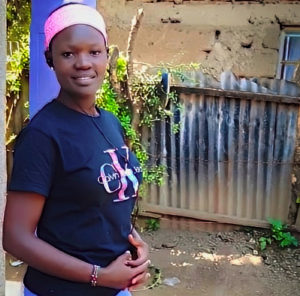 During my field work, we discussed mastitis. We found that mastitis is the inflammation of the breast, most commonly occurring during breastfeeding. We also outlined what mastitis can cause and that it includes a painful, swollen, firm breast and breast tenderness or burning pain during feeding. It can result from inflammation associated with milk stasis (restricted milk flow) and sometimes a bacterial infection. Some of the solutions that you can do are as follows: continue breastfeeding/expressing milk as normally as is comfortable because sudden stopping can worsen inflammation. What also helps is to rest and drink a lot of fluids, use a cold pack for about 10 to 20 minutes at a time to reduce swelling, take paracetamol/acetaminophen or ibuprofen for pain, avoid aggressive breast massage/repeatedly trying to empty the breast. If the condition doesn’t improve I advised the women to seek medical attention.
I referred one woman suffering from mastitis symptoms to Kuoyo dispensary. She was later diagnosed with mastitis and is under treatment. The response is positive.
—CHW Liz Adhiambo
Obesity
 Obesity is a problem in our community and also countries around the globe. Many people in our locality are confused about this issue. When a person is overweight they think that they are healthy and when they are thin they think they are sick. I conducted a group session on this issue and I advised them not to judge people according to their appearance. The best plan is to visit a health facility to be screened for obesity. They agreed to do so.
I visited my people again and I heard good news: seven women and three men visited the facility and were satisfied that they did so. The people who were obese were advised on the diet to adopt and the physical exercise to do daily to retain their normal weight and vice versa for underweight people.
—CHW Imelda Anyango
Urinary Tract Infections (UTIs)
 A UTI is an infection that is commonly found in the urinary system (bladder, urethra, ureters and kidneys), but it mostly involves the bladder and the urethra. During one of my group sessions in my community, we talked about how UTIs are caused. We discussed signs such as pain when passing urine, pain during sexual intercourse and more. During our session some members who had those signs wondered what could be wrong with them — and not only women but men, too. I told my audience about the treatment of UTIs with antibiotics, but if symptoms persist they should go to the hospital for professional diagnosis and appropriate medication.
During the discussions two people in the audience told me after the session that they had the symptoms we discussed and that their urination was so very painful that they would even cry while urinating. I referred them to the nearest health facility.
—CHW Mary Atieno Ogutu
Gender Based Violence (GBV)
 During the month of September I came across a lot of GBV issues as I was providing health education in the community. I met two young women who were beaten by their partners. Most of them were afraid to report this because of stigma and fear of their families. As a CHW I addressed the issue by doing private counseling in a safe space and listening without judging. I linked them to the area chief and gender desk at the police station for legal support. I also held a small health talk with some 10 women and youths on GBV prevention, early reporting and where to seek help. The women recognized that WiRED CHWs offer a safe source of information on GBV to the community. The community women are now more open to report GBV cases to CHWs. GBV causes serious health effects such as trauma and unwanted pregnancy, and CHWs are trusted as the first point of help.
—CHW Carren Osomo
Food Safety
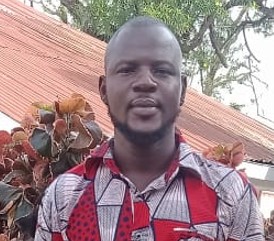 This month of September I took my clients through food safety specifics, foodborne illness, foodborne bacteria, spoilage bacteria and potassium bacteria. Food safety practices produce positive health effects such as fewer illnesses. Safe food handling and processing prevent harmful bacteria and the viruses and chemicals that cause food poisoning. Clean food supports proper growth in children and stops the cycle of malnutrition in young children. Long-term wellness avoids toxic contaminates and reduces cancer risk and organ damage. Economic and social benefits include less food waste and proper storage and temperature controls keep food fresh longer.
—CHW Vincent Ochieng
Environmental Cleanliness/Personal Hygiene
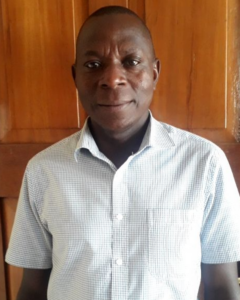 This month during my health education sessions, I concentrated on emphasizing cleanliness in both personal hygiene and in the environment.
—CHW Joseph Ochieng
September Statistics
During the month of September 2026, 19 CHWs in Kisumu, Kenya, reached a total of 10,987 people with health services. Working 24 hours per week, each of the CHWs met with at least 39 patients a week, and the largest number seen in a week by a single CHW was 602 (up from 399 last month!), most of them in health training classes.
Top health concerns for September in order of prevalence:
- HIV/AIDS (#1 by far)
- Tuberculosis
- Mental Health
- Malaria
- Menstrual Hygiene
- Ebola
- Cholera
- Nutrition
- Handwashing
