
 At Tom Mboya University (TMU) in Kenya, a passionate group of students is redefining what it means to lead change in health and wellness. The TMU Health & Wellness Club (TMU’HWC) has emerged as a dynamic, student-led initiative committed to promoting mental and physical health while addressing pressing challenges within the university and the wider Homa Bay County community.
The club was established following a transformative community health worker (CHW) training facilitated by WiRED International at TMU in June 2025.
The CHW training conducted by WiRED provided students with practical knowledge in:
- community health education,
- disease prevention and
- communication and outreach.
 More importantly, it sparked a sense of responsibility and purpose among students, inspiring them to take action beyond the training room.
This foundation led directly to the formation of the TMU’HWC student-driven endeavor committed to extending the impact of WiRED’s work within the university and surrounding communities. Since its creation, the club has translated CHW training into real-world health impact through a variety of the following initiatives.
School Outreach Programs
 Students have conducted health education sessions in local schools, addressing:
- gender-based violence,
- teenage pregnancy and
- mental health and drug abuse.
Creative Health Awareness
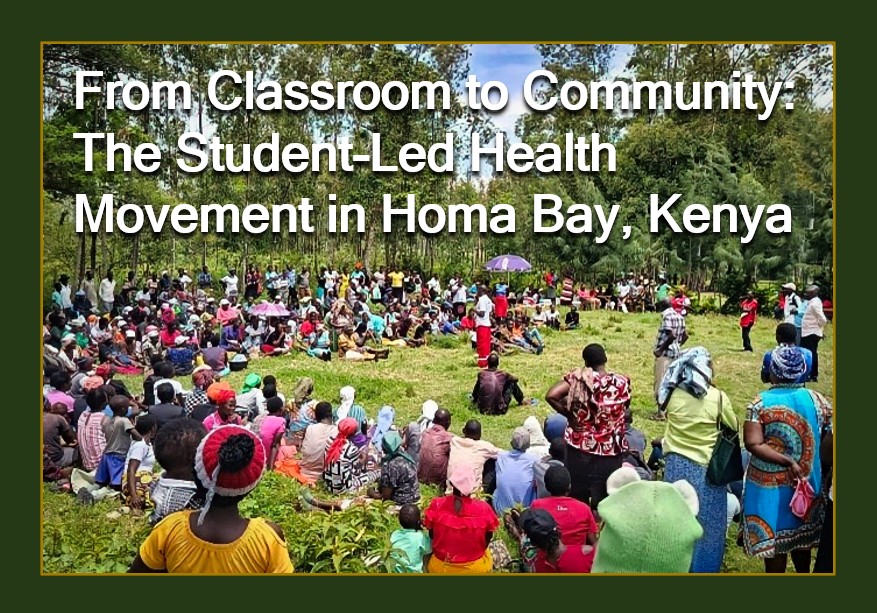
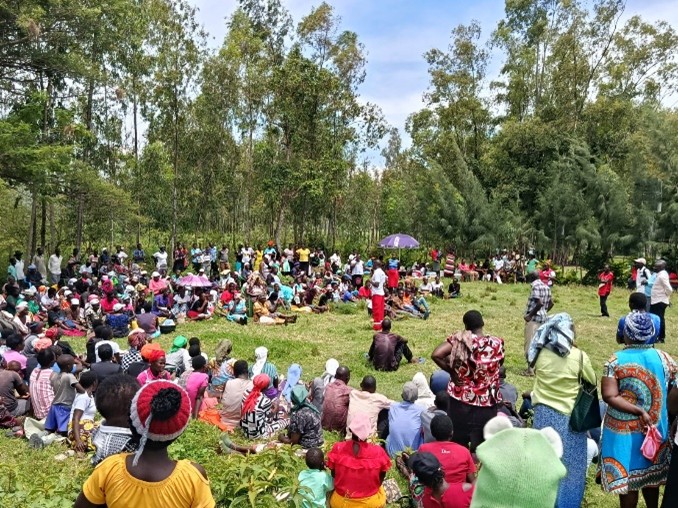
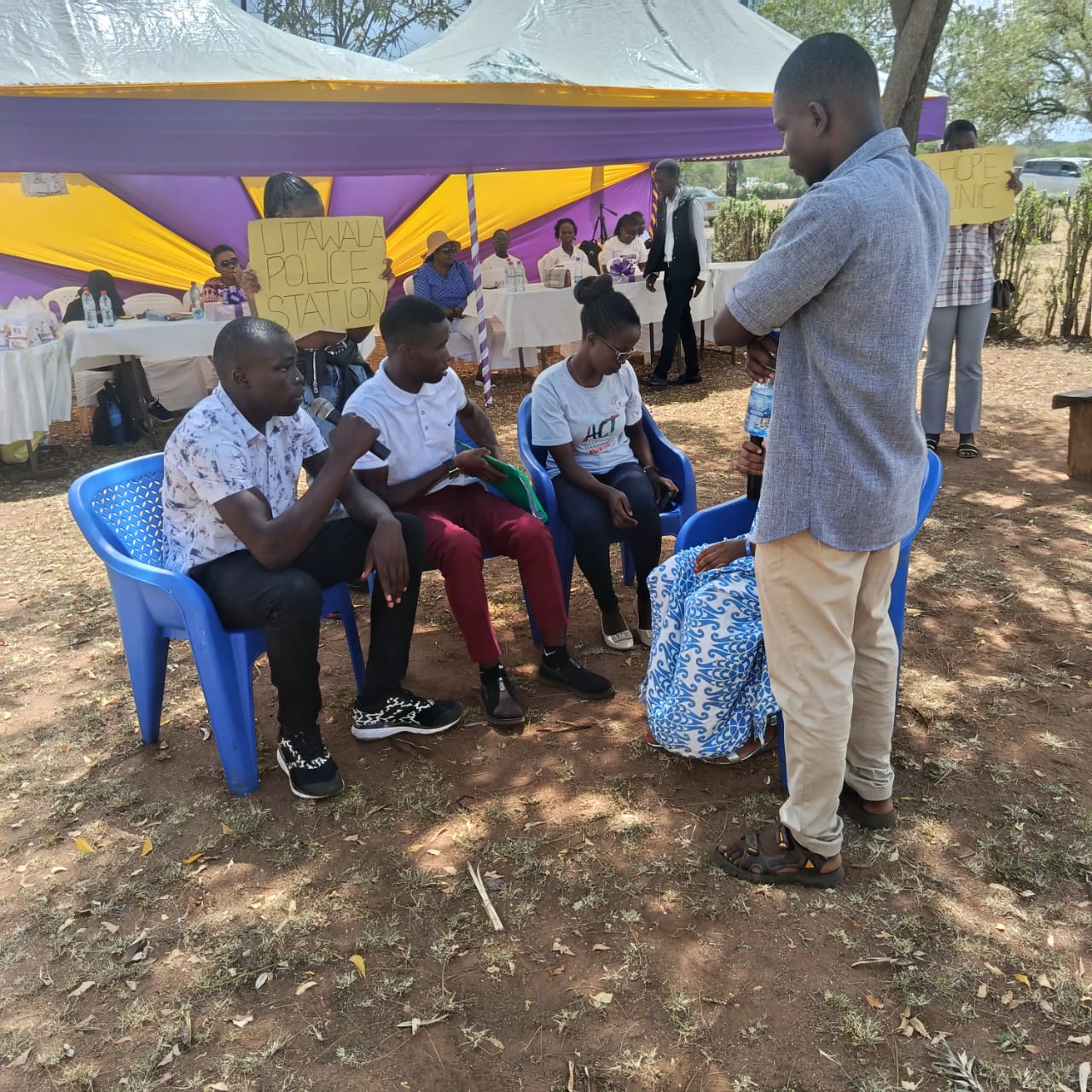
Through educational skits performed in communities such as Otaro (Rachuonyo),[i] members have formulated educational skits and plays and have used creativity to:
- raise awareness on the “triple threat” described in school outreach programs and
- encourage open dialogue on sensitive issues.
Humanitarian Service and Emergency Response
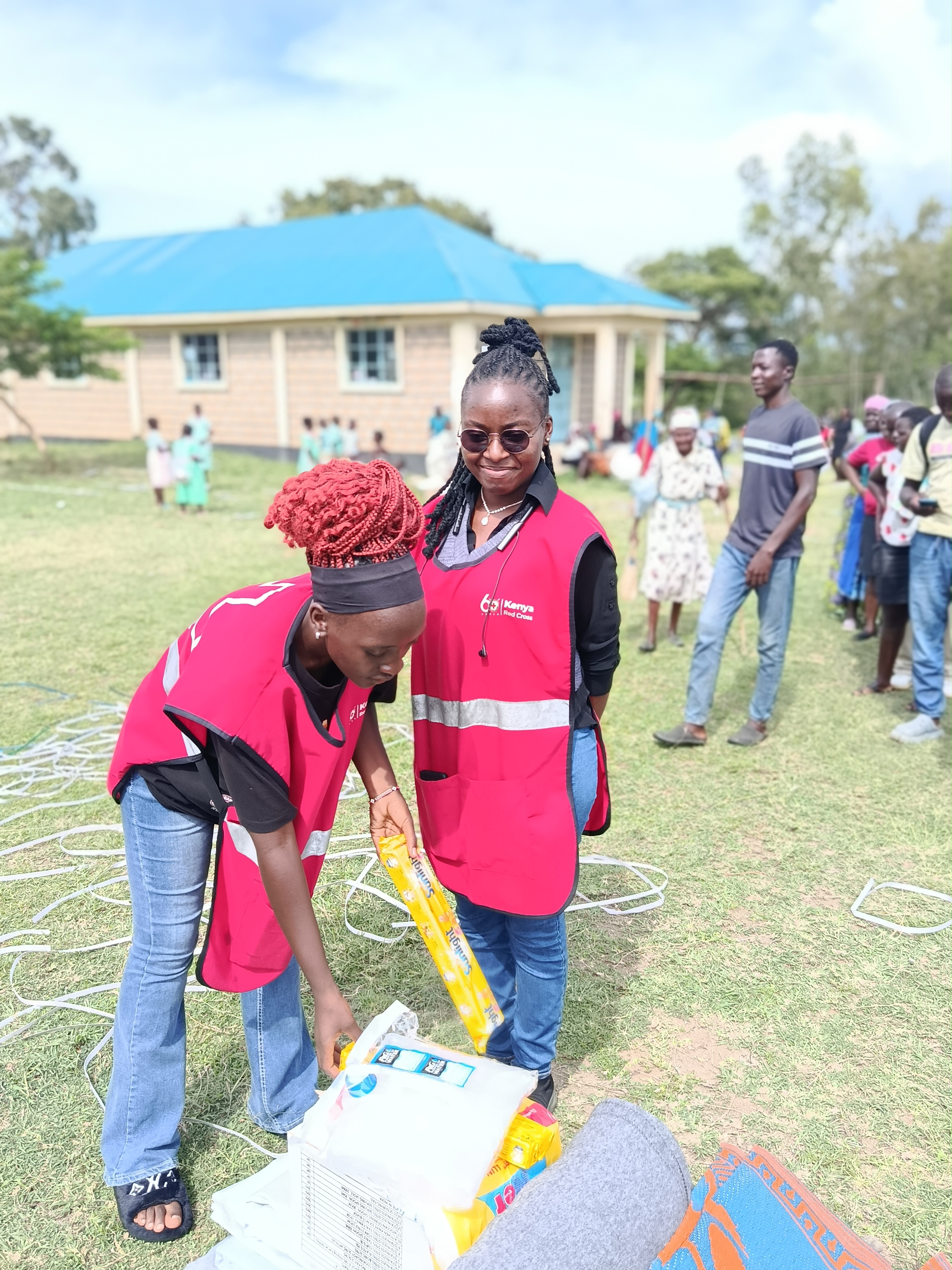
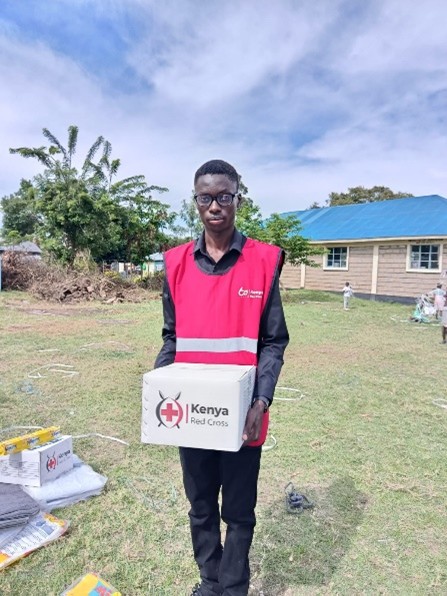
In collaboration with the Kenya Red Cross Society, members have:
- participated in first aid training and
- supported flood-affected communities with essential supplies.
Mental Health and Peer Engagement
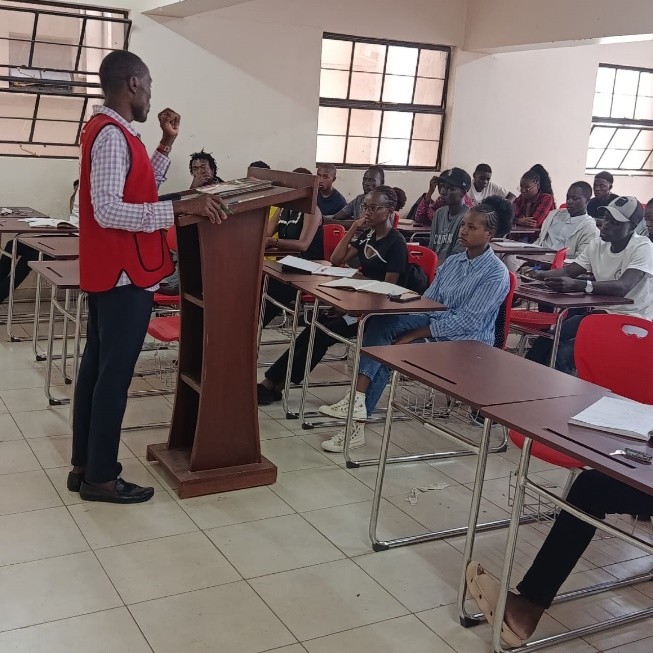
Regular sessions within the university have focused on:
 mental wellness,
- stress management and
- peer support systems
Sustaining the Impact
Building on the foundation laid by WiRED, the TMU’HWC continues to:
- train peer educators,
- conduct outreach programs,
- promote preventive healthcare and
- strengthen student-led health initiatives.
Looking Ahead
The club believes it represents a sustainable model of youth-driven impact, where knowledge gained through rigorous health training is continuously applied and shared.
 The TMU’HWC is eager to deepen its collaboration with WiRED through KUAP-Pandipieri to create:
- advanced CHW/ToT training,
- expanded outreach programs,
- health screening initiatives and
- capacity building for student leaders
Through WiRED International’s support, students have not only gained knowledge, but have also become agents of change, improving lives and building healthier communities.
To sum up the club and its mission, Chairperson Alvin O. Oduor said:
 We believe that empowering young people with health knowledge is one of the strongest ways of building healthier and more informed communities. The CHW training provided our members with practical skills, deeper understanding of preventive healthcare and a stronger passion for community service. As a club, we are proud to see students actively engaging in initiatives that promote health awareness, compassion and positive impact within Homa Bay County and beyond with the inspiration of WiRED International.
Club Members’ Comments
Diana Cheptoo
“The CHW training by WiRED gave me practical knowledge and confidence to engage with communities. It has shaped how I view health advocacy.”
Stacy Georgina Olwenyo
“The CHW training broadened my understanding of community health and the importance of awareness and preventive care. It equipped me with practical knowledge, leadership skills and a stronger sense of responsibility towards promoting healthier and more informed communities.”
Mercy Uvatha
“The training gave me valuable insight into health and well-being, including outbreak response and first aid skills. I would highly recommend such training because it empowers young people to better support their communities.”
Atieno Veronica Atiang
“I am grateful to WiRED International for the CHW training and mentorship. The experience was insightful and empowering, equipping me with valuable knowledge and skills that will help me contribute positively to the health and well-being of my community.”
Anyango Doto Matrine
“The CHW training enhanced my understanding of community health and the importance of preventive care. It inspired me to become more actively involved in promoting health awareness and supporting healthier communities through informed action.”
Gilmour Ochieng
“Through the training, I gained skills in health education and teamwork. I have been able to apply what I learned during club activities and community engagements.”
—
[i] Otaro is a prominent area and educational hub located in Rachuonyo North Sub-County, within Homa Bay County, Kenya. It is situated in the West Karachuonyo Ward and is known for its active community projects and competitive regional secondary schools.
Comment on TMU Student Health Club
By WiRED Executive Director Gary Selnow, Ph.D.
Last July WiRED finished its first training class for community health workers (CHWs) at TMU in Homa Bay, Kenya. Twenty-five students completed the five-week basic course and passed the qualifying exam with results that pleased both their instructors and themselves. About half were university students. The other half were Ministry of Health CHWs who had come for additional training so that they could take on larger duties in the health of their communities.
Usually, when a class ends, the students go home. They continue their continuing medical education through WiRED’s HealthMAP app, and life moves along quietly. One hopes the training has taken root somewhere, but often there is little news.
This class turned out to be less quiet.
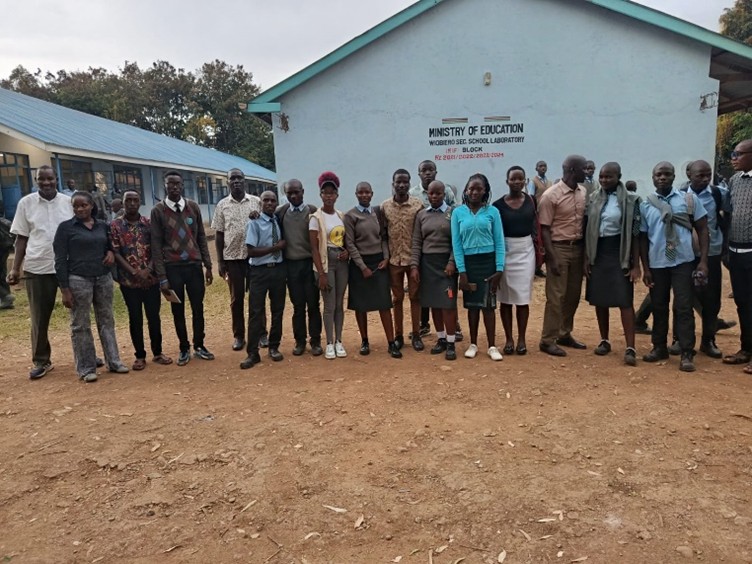
Two months ago, I visited the TMU campus with WiRED’s lead IT developer, Dr. Sean Bristol-Lee. While we were there, someone mentioned that several graduates of the CHW course had started a health club in Homa Bay. This struck me as the sort of thing one hopes for but does not necessarily expect to happen. Before leaving campus, I was able to sit down with two of the club’s organizers.
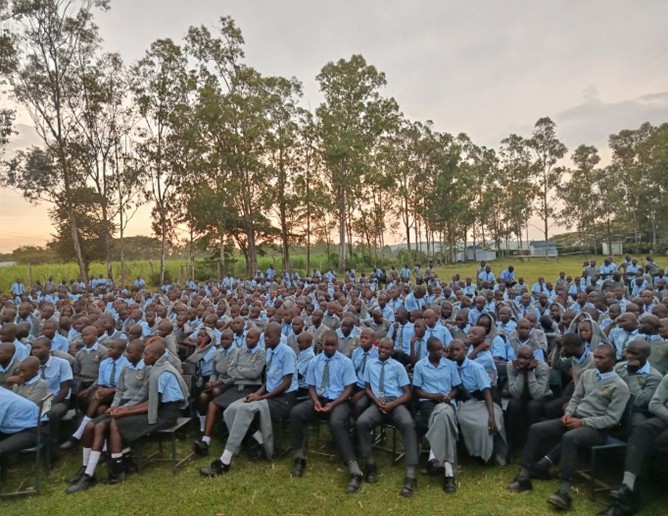
They explained that they wanted to involve ordinary people in the business of health, not merely as patients, but as participants. They posted a notice inviting anyone interested in such an idea to attend a meeting. They expected a few curious souls; instead, more than a hundred people showed up.
There is something hopeful in that image: a room filling up with people because they wish to talk about health, disease prevention and the welfare of their neighbors. In difficult times, hope often arrives quietly, without fanfare, carrying a notebook and looking for a chair.
 The students tell the story of the club in this article. What I want to say here is simply that I admire them. They took what they learned as CHWs and carried it back into the community, not as experts delivering instructions from on high, but as neighbors inviting their neighbors to take part.
This matters now more than ever. Global health programs face severe cutbacks, and much of the responsibility for community health will increasingly rest with local people themselves. Prevention, especially, belongs close to home. WiRED’s CHW program, which began before the COVID pandemic, has always been built around this belief: work with local communities, teach practical skills, share knowledge about prevention and basic clinical care, and then continue building those skills over time.
Our philosophy has never been to teach people and disappear. We prefer partnership to charity. We try to give communities the tools, practices and confidence to assume more responsibility for their own health, while remaining nearby as collaborators and friends. WiRED steps back, but we do not step away.
The health club at TMU seems to me a fine example of that idea. The students have taken hold of the work and carried it forward on their own energy. We will continue to stand with them as much as we can with the resources we have.