By Allison Kozicharow; Edited by Elizabeth Fine
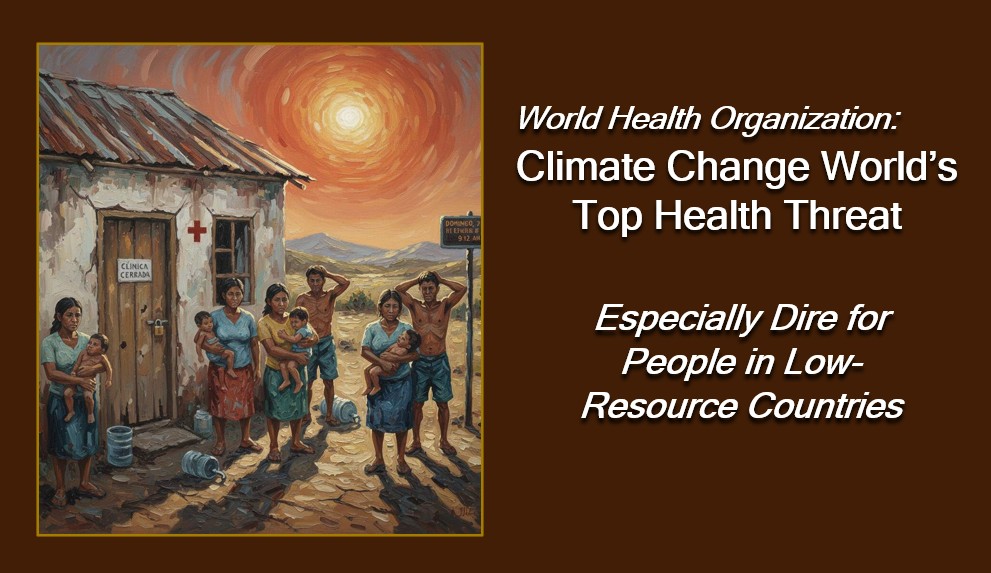
 Climate change is a fast-growing risk to people, animals and the environment. The World Health Organization (WHO) states that “Climate change is impacting human lives and health in a variety of ways. It threatens the essential ingredients of good health — clean air, safe drinking water, nutritious food supply and safe shelter — and has the potential to undermine decades of progress in global health.”
Compounding the negative impact of its severe budget cuts to global health aid programs last year, on January 22, the United States officially withdrew from the World Health Organization (WHO). Former Director Dr. Thomas R. Frieden of the Centers for Disease Control and Prevention said, “Health threats do not respect borders, and weakening global cooperation makes Americans less safe.”
 What danger does climate change pose — particularly in struggling countries with few doctors and nurses, weak health system infrastructures and dwindling supplies of vaccines and medicines — countries where WiRED International works?
WHO identifies several health factors worsened by climate and social conditions:
- Noncommunicable diseases: Heart disease, cancer, diabetes and chronic respiratory diseases are the leading causes of death globally, accounting for the majority of deaths worldwide (click here))
- Infectious diseases and preparedness: Emerging pathogens and gaps in pandemic preparedness continue to be global concerns (click here)
- Antimicrobial resistance (AMR): Resistant infections are a growing threat that could make common treatments ineffective (click here)
- Health system weaknesses and inequities: Unequal access to care, workforce shortages, unsafe water and sanitation contribute to poorer health outcomes (click here).
What can we expect from climate change in the future?
- Direct impacts: more heat-related illness and death, more severe storms, floods, droughts and wildfires
- Indirect impacts: greater spread of infectious diseases, food and water insecurity, worsened air quality, and mental health challenges
- Exacerbating existing inequities: poorer communities and countries suffer most, even though they contribute least to emissions
WiRED provides Community Health Worker (CHW) training in order to provide support to underserved communities during this time — not only during accelerating climate change but also during vast shortages of both medical professionals and medicines.
 WiRED is contributing to world health in various ways:
- Expanding our CHW program
- Training more CHWs
- Strengthening our cost-free one-of-a-kind Continuing Medical Education (CME) Program
- Creating additional training modules for our library of hundreds of courses
- Designing cutting-edge training methods, such as our phone app for both Android users and Apple users
- Sending alerts to CHWs of potential outbreaks and health conditions so that CHWs can prepare communities (and themselves) to avoid disease
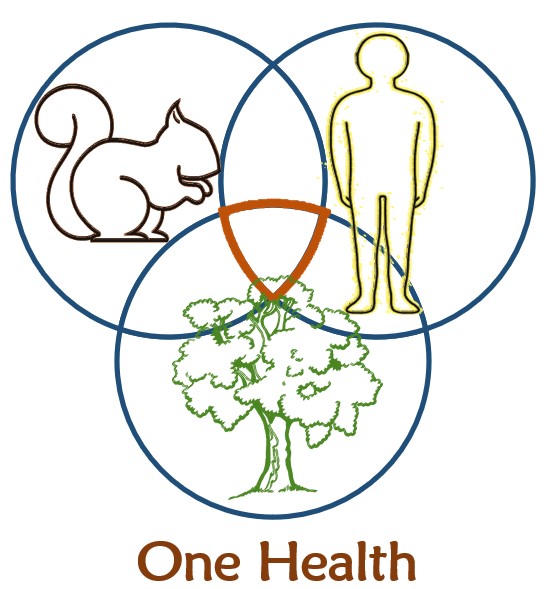
- Explaining the relationship among human, animal and environmental health
 Maintaining good health in low-service regions during accelerating climate change and inadequate medical resources is a big challenge, but for almost 30 years as a small NGO, WiRED International has made a difference through flexibility, technological advances and believing that people can take responsibility for their own health through community education. And all of WiRED’s programs are free, of course, and accessible to anyone.

