
By Allison Kozicharow; Edited by Elizabeth Fine
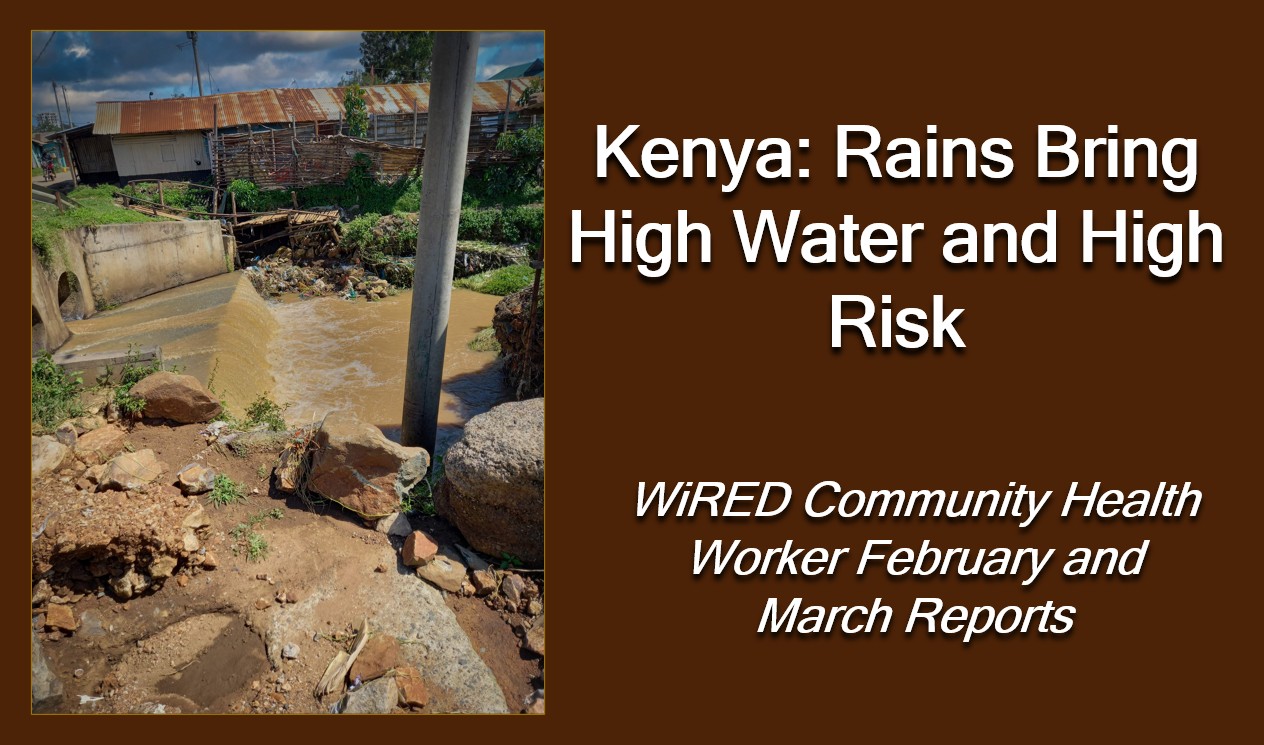
According to the World Health Organization (WHO), “Seasonal long rains have caused widespread flooding across Kenya, resulting in loss of life, destruction of critical infrastructure, mass displacement and significant disruption to health services.”
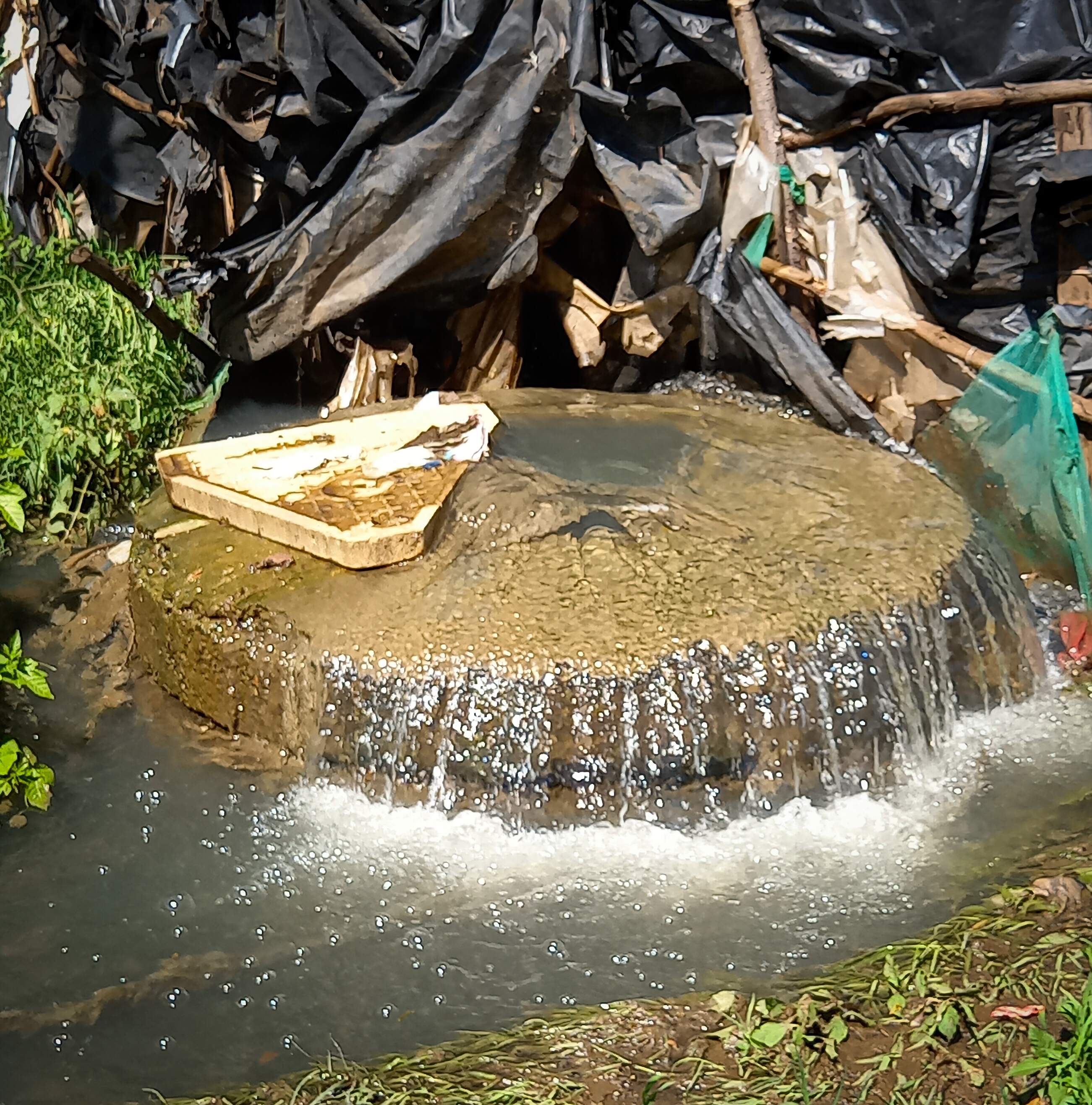 If this weren’t bad enough, the flooding follows one of the worst droughts in Kenya’s history in October through January, which left two million people suffering from food insecurity and leading to “rising rates of malnutrition, increased risk of disease outbreaks, and disrupted access to essential health services.”
Some years ago, WHO put out a call for training community health workers (CHWs) in low-resource countries where doctors and nurses were scarce. Adhering to WHO guidelines, in 2020 WiRED International created a CHW pilot program that trained local people as CHWs; early in that year, we launched the project in Kisumu, Kenya.
 Since then, our CHW program has evolved more successfully than we could have imagined, continually adding more pieces such as a rigorous, advanced curriculum and a specialty curriculum. Further, we launched a complete Continuing Medical Education Program that offers hundreds of health topics for certified CHWs and maintains online records of their annual requirements. As always, WiRED’s programs are free of charge and easily accessible through our HealthMAP smartphone technology.
WiRED CHWs serve their community’s health needs where:
 diseases such as malaria are endemic,
- global health aid has been gutted by the Trump administration,
- medical professionals are hard to come by,
- health agencies are weak or nonexistent,
- conflict is rampant and
- extreme weather due to climate change is increasing.
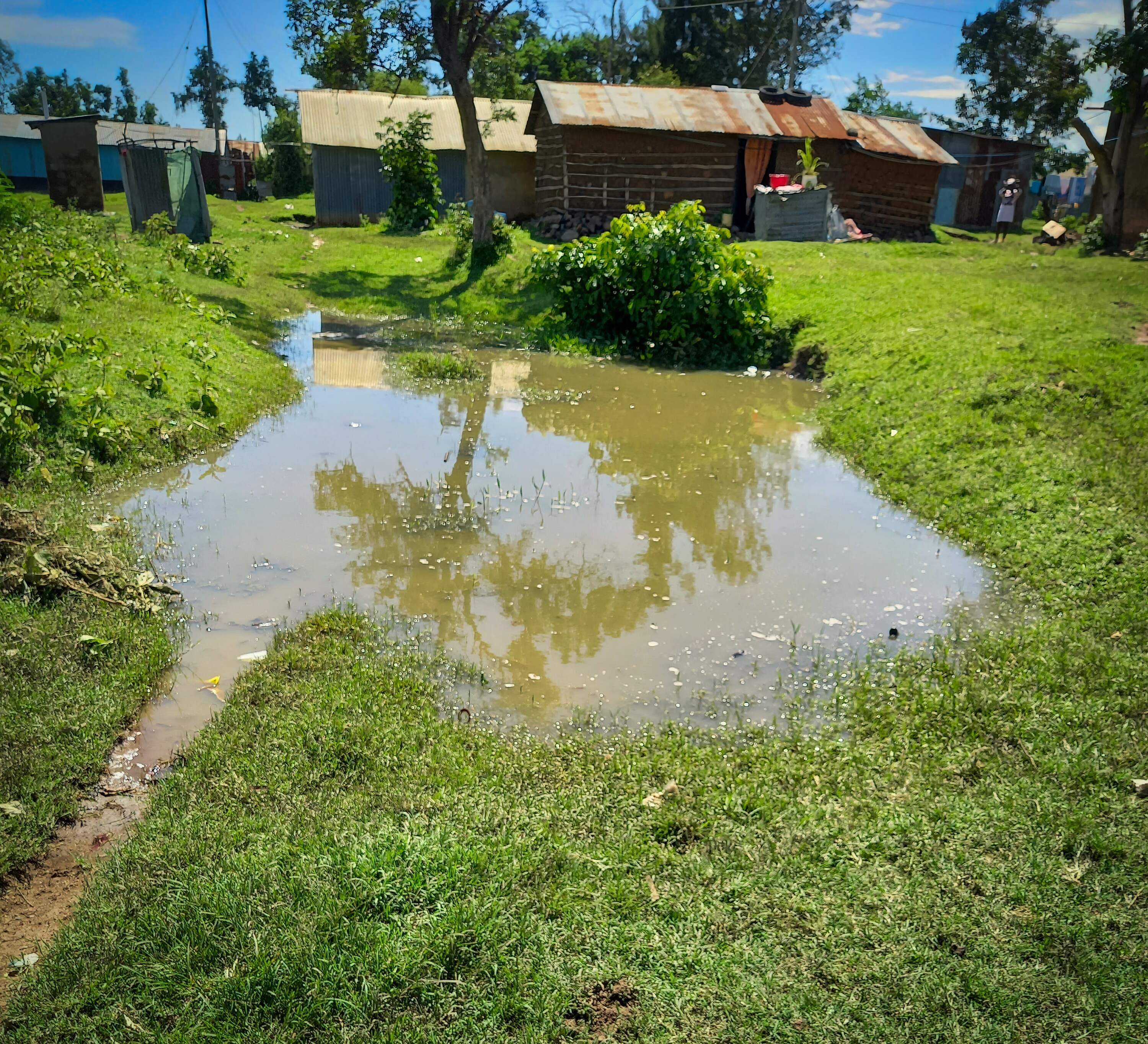
A WiRED team has just returned from Kenya during the flooding. They saw the Kisumu CHWs in action and developed a joint CHW training program with Tom Mboya University (see story). The WiRED visitors, including WiRED Executive Director Gary Selnow, Ph.D. and IT developer, Sean Bristol-Lee, DPT, reported that:
 We recently visited KUAP Pandipieri, WiRED’s Kenyan home base since the early 2000s, to collaborate with our CHW team, managers and long-standing partners. As we frequently report, our team of 20 CHWs typically reaches 10,000 people each month through clinical services and training. This consistent success underscores the immense capacity of CHWs to provide critical health assistance to low-resource communities.
This trip focused on two pivotal initiatives designed to scale WiRED’s operations and deepen our impact across the region:
- Academic Partnership with Tom Mboya University. We met with officials at Tom Mboya University (TMU), a premier institution in Homa Bay offering more than 94 academic undergraduate and post-graduate programs. TMU has formally adopted WiRED’s Basic, Advanced, and Health Specialty curricula into a year-long certificate program. This partnership will equip students throughout Kenya with the professional skills required to lead and manage CHW teams effectively.
- Strategic MOUs with County Ministries of Health. We engaged with four county Ministries of Health (MOH) that oversee thousands of CHWs in Western Kenya. Having signed an initial MOU with one county (and with others expected shortly), WiRED will now implement a “train-the-trainer” model. This approach will allow us to reach hundreds of CHWs using WiRED’s specialized curriculum.
The synergy between the TMU academic programs and our MOH partnerships will significantly enhance the technical skills of CHWs. These advancements will enable them to provide excellent clinical services, improve community disease recognition and promote behavioral prevention. Furthermore, these trained paraprofessionals will create a seamless link between local communities and the formal health system of clinics and hospitals.
 WiRED’s mission has always been to elevate CHW capabilities to close the widening healthcare gap in low-resource regions. This goal is more urgent than ever following the recent termination of USAID and the cessation of U.S. government-supported medicine and vaccine programs.
By joining forces with TMU and the Ministries of Health, we are prepared to train thousands of CHWs to transform community health. We are deeply grateful to WiRED’s volunteers, whose investment of time and talent has made these expansive new efforts possible.
Examples of CHW Outcomes for February and March
WiRED’s CHWs record data on home visits, referrals and follow-up to help others understand the direct interventions and level of care they provide. The following examples of outcomes for February and March highlight the work and value of WiRED CHWs. Note that these reports are the CHWs’ own personal stories from the field.
Malaria
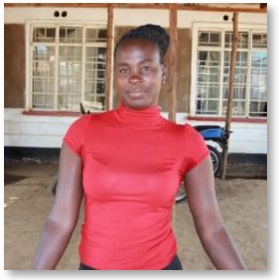 During my group sessions I was teaching about malaria in my community. There was a couple who were complaining about their signs and symptoms concerning malaria. The wife was five months pregnant, but had not yet begun her prenatal care. As soon as I finished teaching about malaria, the husband brought the wife to me, and we had a private talk. I also advised her on the benefits of antenatal care. I referred her to Obunga dispensary where she was diagnosed with malaria and began her antenatal immediately. She was given malaria drugs and a treated mosquito net. Now she is sleeping under the treated mosquito net with her unborn child and also taking her drugs.
—CHW Mary Atieno Ogutu
Tuberculosis (TB)
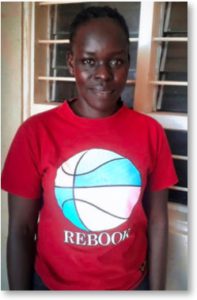 As I was doing health education in various villages in Kanyamedha, Kombedu and Bandani I came across 10 people who were coughing terribly. I talked to them and counseled and educated them on the signs and symptoms of TB. I also talked to them on preventive measures. Afterwards, I then referred them to the nearest health facility known as Airport Health Center for further assessment. After two weeks of my follow-ups, I found out that four of them had been diagnosed with TB disease. They were put on TB drugs, and they are now doing well.
—CHW Millicent Randiki
TB and Malaria
 As a community health worker during my visits to the community, I met a young mother named Akinyi. She brought her two-year-old to me worried because the child had a high fever, was weak and refused to eat. From experience, I suspected malaria and I quickly advised her to take the child to the nearest health facility for testing. The test confirmed malaria, and treatment was started immediately, I also educated Akinyi on the importance of completing the full dose of medication, even if the child improved. During my visit to her home later, I noticed they were not using a mosquito net. I explained how mosquitoes spread malaria and demonstrated how to properly hang and use the insecticide-treated net. I also encouraged her to clear stagnant water around her home as it is a breeding place for mosquitoes. When I checked later her child was healthy and playful. The mother is also teaching her neighbors what she learned: malaria is preventable and treatable.
—CHW Janet Awino Ochieng
Cholera
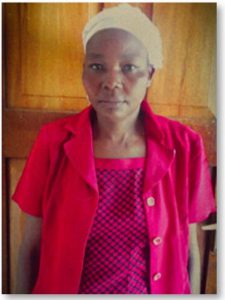 Cholera is a disease that is brought about by eating dirty or contaminated food and drinking untreated water. During the rainy season, most people get infected with diseases, but of late the community is much better informed on how to prevent and treat cholera. The prevention measures include treating drinking water, building good latrines, cooking food in a proper manner and going for treatment when infected. Consequently, cholera cases found in the community have gone down due to the information given to them by the community health worker.
—CHW Milka Aoko Nyadiang’a
Bilharzia (a waterborne disease caused by worms living in snails)

The rainy season has affected many people in the community because of the poor drainage system. In one household a woman contracted bilharzia (also known as schistosomiasis). She stated that when it rained heavily, water entered her house. Although she managed to remove the water, she became unwell. In another case a man said he had been feeling ill after walking barefooted in rainy water. I referred both people to Kuoyo dispensary, where they were diagnosed with bilharzia. They are still taking medication.
—CHW Tracy Agatha Achieng’
Top health concerns for February and March
were identical in order of prevalence:
- Malaria (sixth month in a ro
 w!)
w!) - Tuberculosis
- Cholera
- Typhoid
- HIV/AIDS, STIs
- Mental Health
