

By Lillian Dajoh, Manager of WiRED International’s Programs in Western Kenya; Edited by Elizabeth Fine
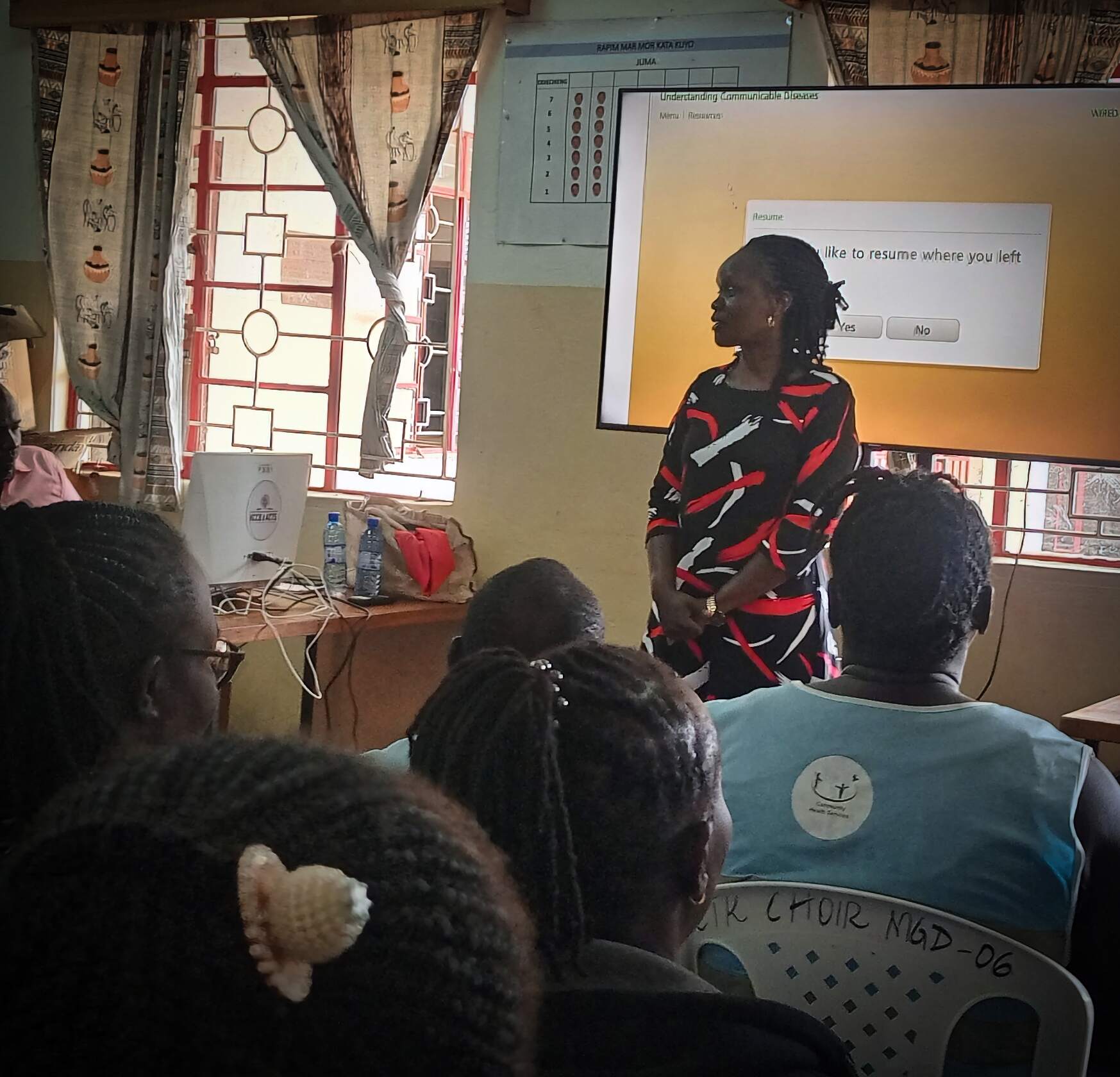
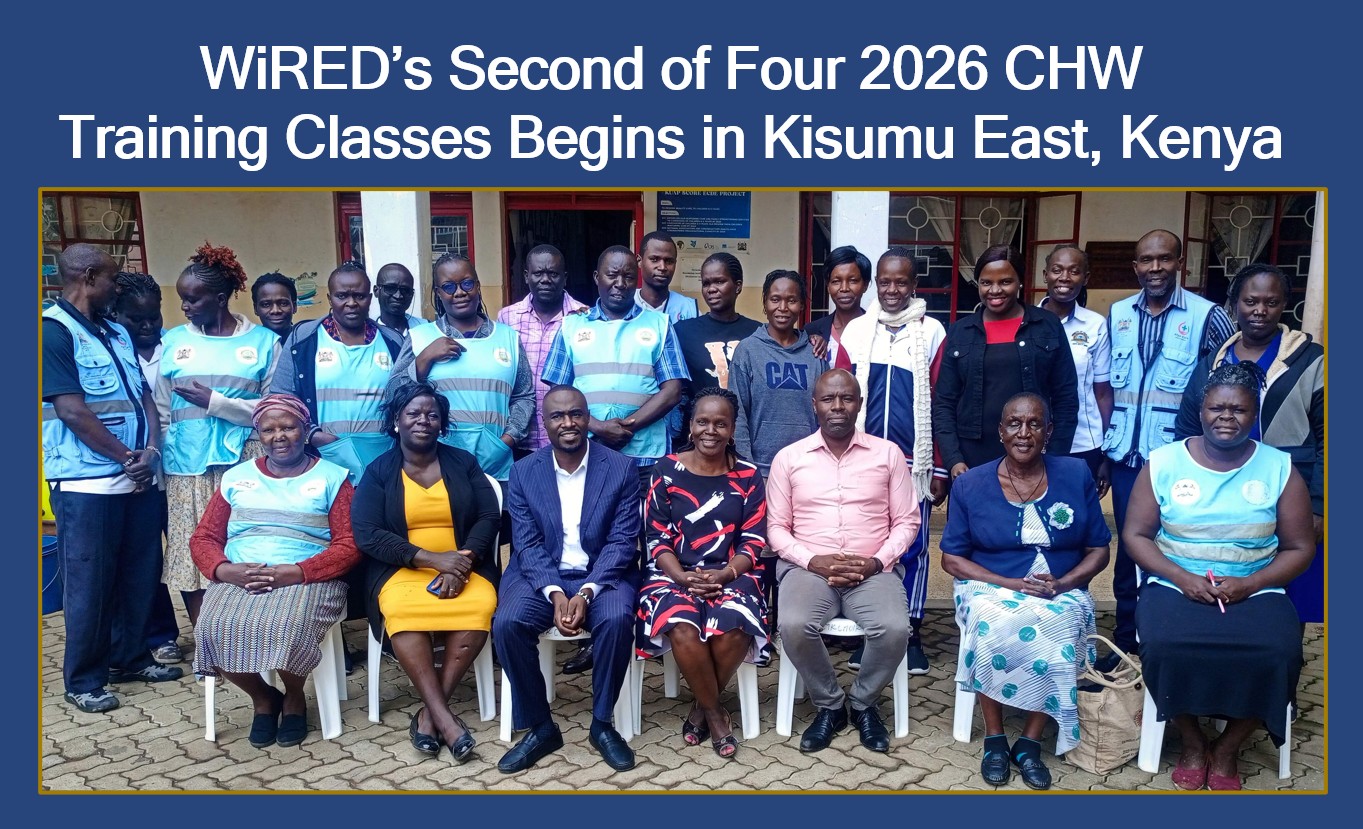
The Community Health Worker (CHW) class started on April 27, marked by the official opening of WIRED International’s second CHW Training class this year. Dr. Fredrick Oluoch, County Director of Public Health (see sidebar), presided over the event. His presence underscored the importance of the program and provided a significant boost toward achieving its overall goals.
This eighth cohort consists of 20 participants ranging in age from 25 to 60 years, each bringing between 16 and 20 years of experience. The group includes 7 men and 13 women drawn from various villages within Kisumu East Sub-County, all of whom are attached to different health facilities in the area.
Each CHW is responsible for approximately 100 households within their respective villages. The CHWs’ duties include monitoring health status, delivering community health education and submitting monthly reports detailing their activities and outcomes.
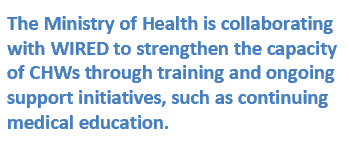
The class has demonstrated a high level of engagement and enthusiasm, and all signs point toward a strong potential for excellent performance. Discussions revealed that their primary roles in the community include providing education on common illnesses such as tuberculosis, malaria and diarrhea. They also play a crucial role in referring severe cases to health facilities while managing minor conditions such as uncomplicated malaria and diarrhea at the community level. In addition to these responsibilities, they track individuals who have missed follow-up appointments for health conditions that require additional care. CHWs facilitate the return of these patients to health facilities for counseling and appropriate medical treatments. The CHWs then check often to confirm that the patient takes all medications as prescribed.
The Ministry of Health is collaborating with WIRED to strengthen the capacity of CHWs through training and ongoing support initiatives, such as continuing medical education. The CHWs have expressed a strong interest in continued learning and for structured capacity-building opportunities.
 The CHW training program is valuable to the CHWs and to the communities they serve because it addresses knowledge gaps and strengthens the skills necessary for effective community service. This was a point emphasized by Dr. Oluoch during his opening remarks. The program is expected to enhance participants’ confidence in managing common health conditions, delivering health education and making timely referrals.
Ultimately, WiRED’s training contributes significantly to improving the health and well-being of the community by equipping CHWs with practical skills to assess, monitor and respond to health needs at the household and community levels. By enabling CHWs to provide accurate health education and early interventions, the program plays a vital role in disease prevention and treatment, while also helping bridge the gulf between the community and the formal healthcare system.
Dr. Fredrick Oluoch Odhiambo
Dr. Fredrick Oluoch is a public health specialist who, since early 2020, has served as the Director of Public Health and Sanitation for the Kisumu County Government. His work primarily focuses on the administration of health policies, sanitation standards and community health interventions within Kisumu.
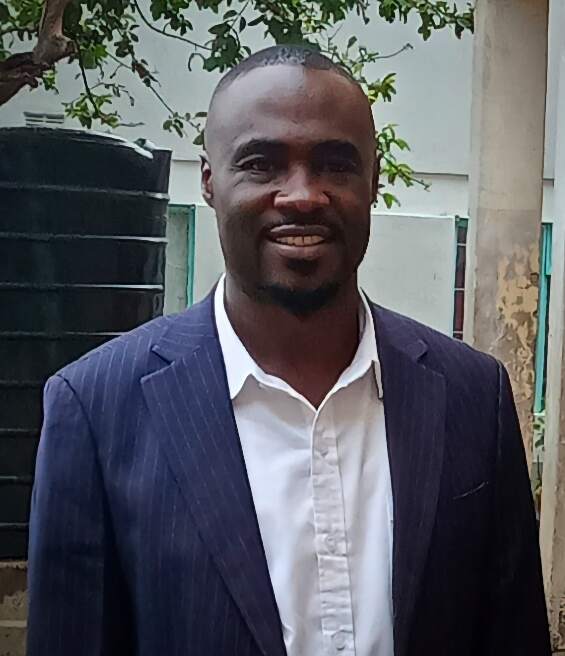
Dr. Oluoch serves as a cornerstone of Kisumu’s health leadership, balancing clinical disease management with large-scale public health infrastructure. He has been instrumental in tackling regional challenges such as malaria and childhood anemia while championing mental health reform and modernizing sanitation through Community-led Total Sanitation initiatives. Beyond his operational duties, he plays a vital role in governance, shaping health policy and strategic planning within the County Integrated Development Plan to ensure sustainable improvements in community wellness.
Dr. Oluoch is an active researcher in the field of public health with a focus on child health and healthcare performance. His published work includes studies on factors associated with anemia in children under five years of age at Kisumu County Hospital and the impact of medical devices on healthcare facility performance. He is known for advocating for integrated health services, notably during the COVID-19 recovery period during which he pushed for improved mental health infrastructure and the inclusion of mental health services in county policy. He also collaborates with partners such as Maseno University to address staffing gaps in specialized medical fields.
