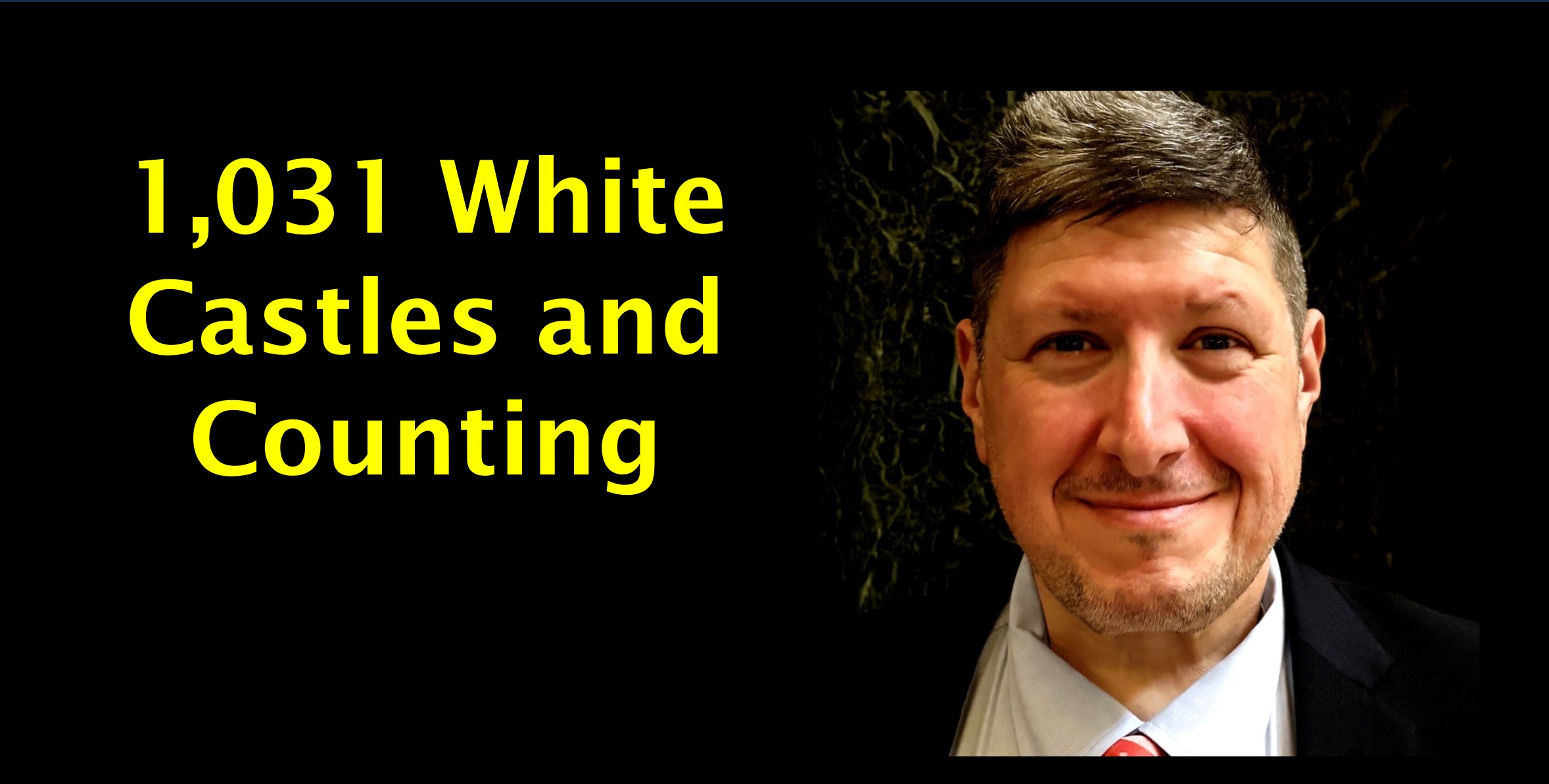

Gary Selnow has asked me to write this essay no fewer than 1,031 times, which is, more or less, a lens through which we can understand how WiRED has thrived for decades supporting some of the most vulnerable populations globally. One of the benefits of volunteering, beyond the service you provide to others, is the opportunity to engage in a community of people who share a common interest — to see in others the goals that make us who we are. For so many years, WiRED has not only delivered life-altering healthcare education globally; it has given communities a reason to come together, and given people who want to make a difference a home for doing so.
 Working for my father on weekends throughout each summer during my childhood as he ran softball tournaments — and only being paid in White Castle hamburgers — could perhaps be seen as an introduction to forced volunteerism. But a few times a year he would have me accompany him on outings where we would bring groups of adults with intellectual disabilities to play golf or ride horses, and when I was old enough, I was the Santa Claus at their yearly Christmas party — maybe one of the few benefits of being overweight as a teenager. For this type of volunteering, the measure of success is largely the appreciation expressed by the men and women and their families in sharing the experience. To be of service to others was clearly an ethos my father lived by, and at a young age it started taking hold in me.
 At the age of 14, I started volunteering at my local hospital. With an insatiable appetite for medical knowledge, this was a bit of a playground — an opportunity to first observe from the fringe and then fully immerse myself in a community of people who strived to improve, and in many cases save, the lives of others. My three-hour volunteer shift on Sundays, where I would take new admissions to their rooms, quickly expanded through my entrepreneurial spirit into a weekend service where hospital units would give me work to do — mostly delivering blood samples to labs, picking up and delivering equipment from different departments, pretty much anything they would allow me to do — and quickly accumulated 1,200 or 1,800 or some crazy sum of hours to my name. But more importantly, it connected me to my first real job in healthcare as a blood gas technician.
 From the age of 16 years and two days until just before I turned 30, I held a variety of paid and volunteer healthcare roles — from respiratory therapist to EMT to EKG analyst — providing me an introduction not only to the science of medicine but to the heart of humanity, where again you are part of a community that gives of themselves to care for others. Eventually, my mathematics degree and a growing fascination with how systems break led me away from the bedside and into cybersecurity and defense — first at BBN and Partners Healthcare, then at the MITRE Corporation, where I joined to work on science in the public interest. My field became cyber security and cyber defense, though it has always carried a heavy intersection with international relations — understanding how nations protect critical infrastructure, how they cooperate, and how they fail to. It was at MITRE, while working in the International Operations Office at Hanscom Air Force Base with Iraq as one of our areas of operation, that I found myself reading about telemedicine and the work of WiRED International — how they had established Community Healthcare Information Centers in the five major medical centers throughout Iraq and were expanding into community hospitals. Gary was kind enough to allow me to work with him on a plan for the Iraqi Telemedicine Network, which would expand WiRED’s footprint across the country and provide access to expert clinical consultations through technology that we were building and deploying at the time.
 As we now approach our 20th year together, I think about what we have built. The exceptional team and board that Gary has assembled. The first versions of HealthMap, enabling asynchronous digital healthcare education for communities that had never had access to it. The countless volunteers who showed up, stayed, and kept showing up. My daughters, Olivia and Meghan, have both volunteered for WiRED — and watching them contribute to something I have cared about for so long has been its own kind of reward, proof that the ethos my father passed down to me through White Castle hamburgers and weekend outings continues to find its way forward. Many of us, most of us, continue to center our lives around creating a sustainable community with accessible services to ensure good health and longevity. WiRED’s mission continues to lead the way globally in providing these essential community healthcare educational services.
If someone asked me why I have done this for 20 years, I would tell them the truth: that the kid who got paid in White Castle hamburgers never really stopped volunteering — he just found better work to do.
