
By Allison Kozicharow; Edited by Elizabeth Fine
In 2019 the World Health Organization (WHO) issued a resolution to establish guidelines for community health worker (CHW) training — having recognized for years that CHWs could fill the gap in health care found in low-resource countries where medical professionals and strong health systems are few.
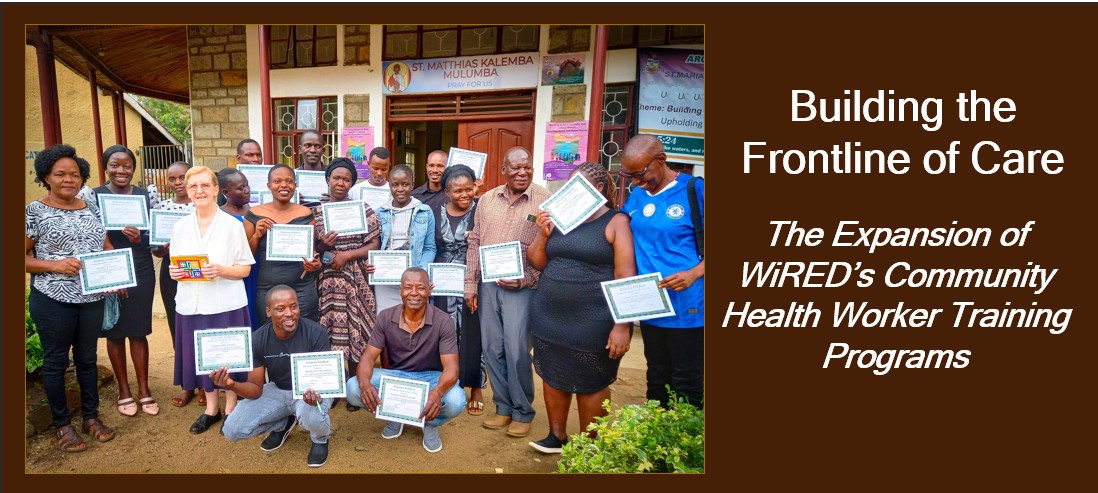
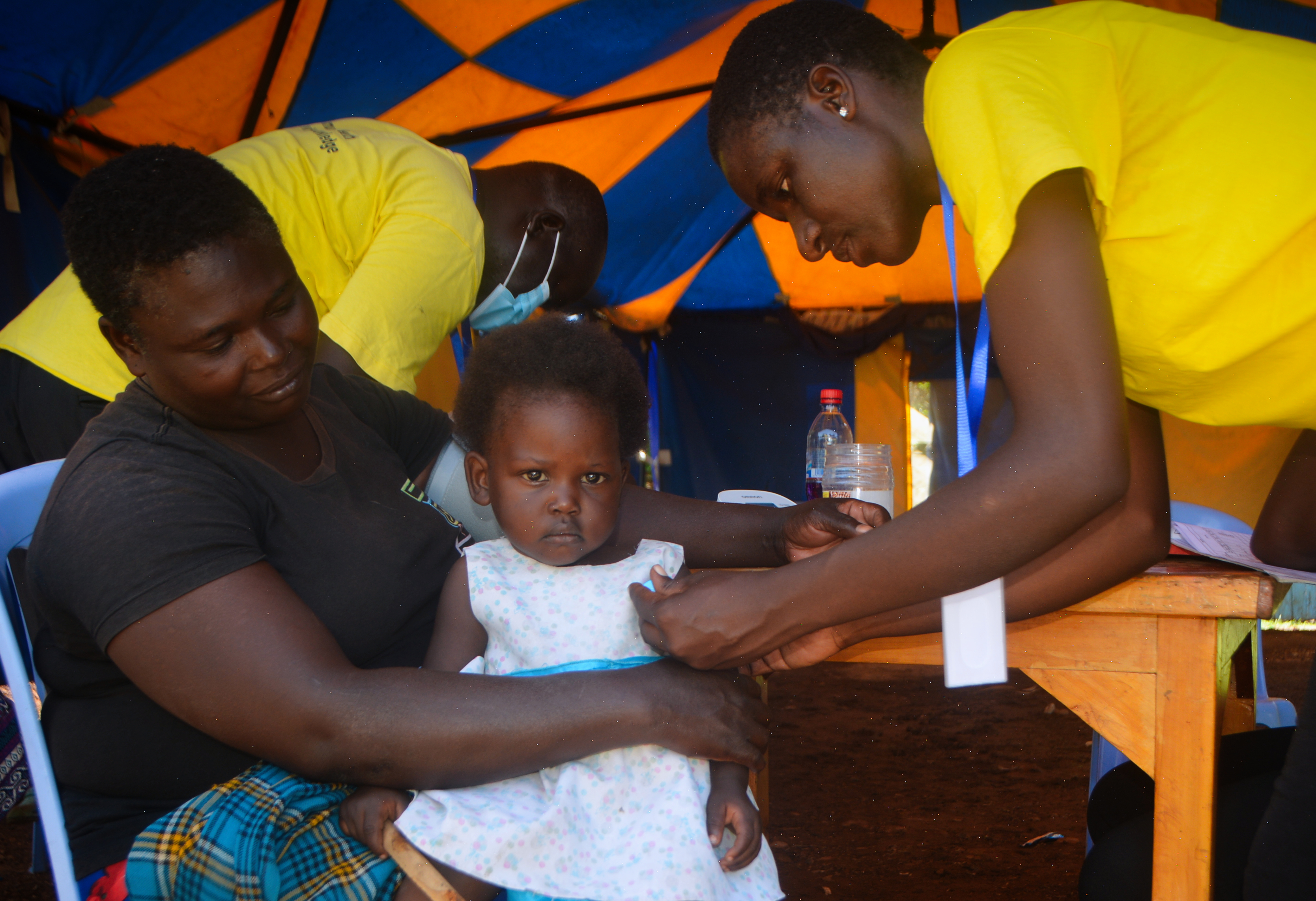
 WiRED International had been developing a rigorous, WHO-compliant CHW training curriculum four years before the resolution, and launched our pilot program in January, 2020 in Kisumu, Kenya. The first training class graduated just a month before the COVID-19 pandemic slammed the planet. WiRED’s newly trained team of 20 CHWs then boldly stepped into the community health environment to provide clinical services and to educate thousands of people in their community about the pandemic and a host of other health issues.
Today that original group of 20 CHWs reaches 10,000 community members on average every month, and they have enabled WiRED to see the training in action. Their work has provided a solid foundation on which we developed additional features that have improved the training and the operation of CHWs in low-resource environments, even beyond the WHO list of CHW practices.
 From a modest beginning WiRED has grown our CHW programs into a full-fledged and ever-expanding CHW package (offered without charge to communities and health ministries in underserved regions):
- Basic CHW Training (providing a rigorous curriculum of peer-reviewed modules)
- Advanced CHW Training (deepening clinical knowledge and skills building)
- Special Topics Training (developing specialization in health topics tailored to local needs)
- Continuing Medical Education (requiring CHWs to complete credits to maintain certification)
 Review Training for three groups involved in CHW activities:
- CHWs
- Trainers (train the trainers)
- CHW Supervisors.
Together, these developments represent the most significant program expansion WiRED has seen in years, positioning us to support health workers on a much greater scale. This work is especially urgent in light of U.S. policy decisions to discontinue support for global health initiatives. Building on more than a decade of developing CHW training content and delivery systems, we have intensified our efforts over the past year to use education as a practical way to help offset healthcare capacity losses in vulnerable regions.
