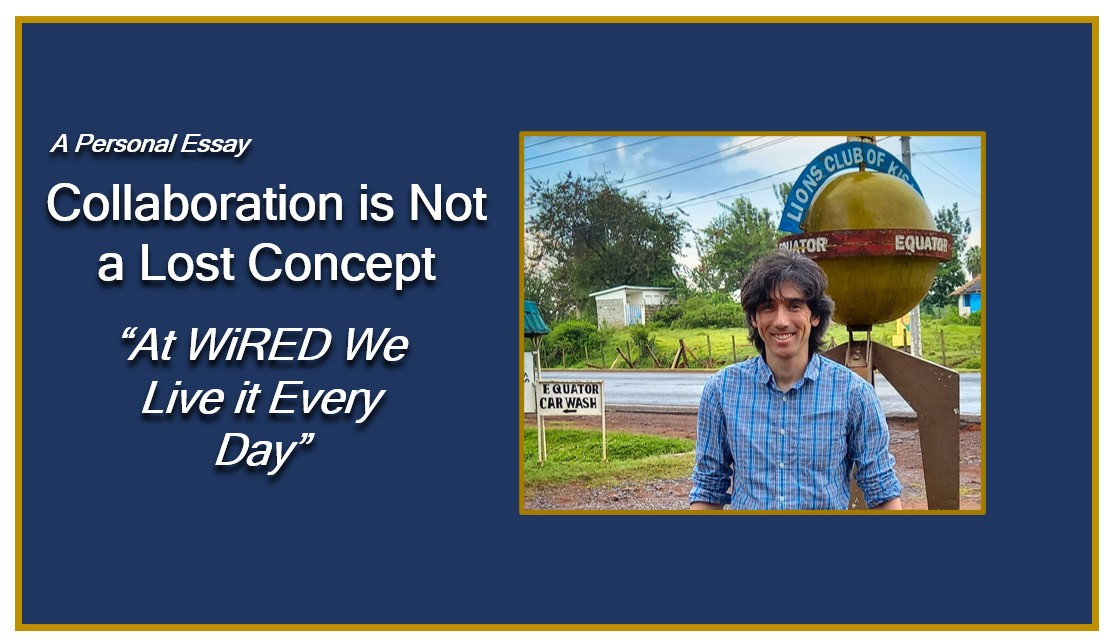

By Sean Bristol Lee, D.P.T.
I was first introduced to WiRED International by one of my former physical therapy professors, who informed me that a nonprofit organization was offering a paid contract job to build a custom mobile application. At the time, I was already volunteering as a junior developer for another business, and I was eager to finally land a paid opportunity in my field.
 I remember meeting some of WiRED’s board members for the first time over a Zoom call. They shared not only the project details but also the scope of WiRED’s work. I was offered the job with the promise of payment. However, after learning about the organization’s mission in low-resource areas and that WiRED is primarily volunteer-driven, I began to reconsider whether I should accept payment at all.
It wasn’t an easy decision. Finding paid work as a junior software engineer had proven incredibly difficult and still is, especially when so many employers prioritize paid experience over internships or volunteer work. This was my chance to add something meaningful to my résumé and, hopefully, start getting noticed by recruiters.
 The prospect was enticing, but the Zoom call had a profound effect on me. Many of the people volunteering at WiRED were professors, educators, artists, healthcare professionals, and senior software engineers, people I deeply admired. And yet, they had all chosen to offer their time and skills freely, for a cause larger than themselves. They were working together to make a meaningful impact on people they would likely never meet.
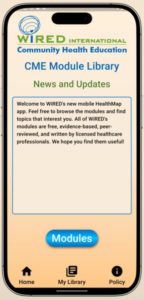
More importantly, there was a missing piece in WiRED’s work, something I had the skills to provide. What began as a chance to advance my own career quickly became a calling to serve. I joined the team as a volunteer and had the privilege of working alongside the very people I looked up to. Together, we developed HealthMAP, a cost-effective, technology-based solution that delivers vital health education to regions where such information is scarce.
 Sad stories of all the unlucky people around the world have been told many times, and millions of non-profit organizations exist to give people a fair chance in life. We currently live in a time where people, particularly in the West, are questioning why we should continue to spend money on organizations that help the less fortunate when we need to worry about ourselves. Some have grown weary of alleged mishandling of funds while others might view the work of NGOs as a perpetual handout. These are valid concerns especially in times of uncertainty and self-preservation when the dominant view point is that our own survival and well-being is more important than others.
WiRED offers a different narrative. It demonstrates the power of collaboration and the necessity of caring for one another. I’ve already mentioned the diverse and impressive team of professionals creating tools like HealthMAP, but I didn’t truly grasp the scale of that collaboration until I traveled to Kenya with WiRED and saw for myself that our team was much bigger than I imagined.
 I had the honor and pleasure of meeting my colleagues in Kenya when I was introduced to the many community health workers trained on our healthcare modules delivered via our HealthMAP mobile app. Our community health workers in Kenya are locals who understand the need to bring health care to the most underserved areas in the world. Our health modules and technology alone could have never achieved that goal.
These health workers educate, screen and care for their neighbors with incredible resilience. This isn’t a handout. It’s a partnership. It’s a testament to what people can accomplish when given the tools and opportunity to drive change in their own communities. Some of my colleagues and I, based in the United States, worked hard to deliver these tools. And together with those on the ground in Kenya, we’ve made a meaningful difference in lives that might otherwise be lost.
There’s a common belief that, as tragic as the global situation may be, we must first prioritize our own struggles and conserve our resources for the problems afflicting us. And it’s true. Suffering and inequality exist even in the wealthiest countries. But the hardships abroad are not so distant from our own. Covid-19 is the most recent and well-known example that proved this. What started as a local infection in a single region seemed so distant to the rest of the world, yet there isn’t a person alive on this earth who was not affected by the pandemic.
 There are countless sayings about the interconnectedness of humanity, but that connection is not just philosophical. It’s real. When we work together, we all move forward. And when we alienate one another, we all suffer. Collaboration is not a lost concept. We live it every day, whether in families, hospitals, classrooms or tech teams. Of course, we are stronger together than apart, and of course, there will always be a natural tension between “us” and “them.” Healthy competition can drive growth, but when it comes to the well-being of others, we only stand to lose by turning it into division.
Sean Bristol-Lee Bio
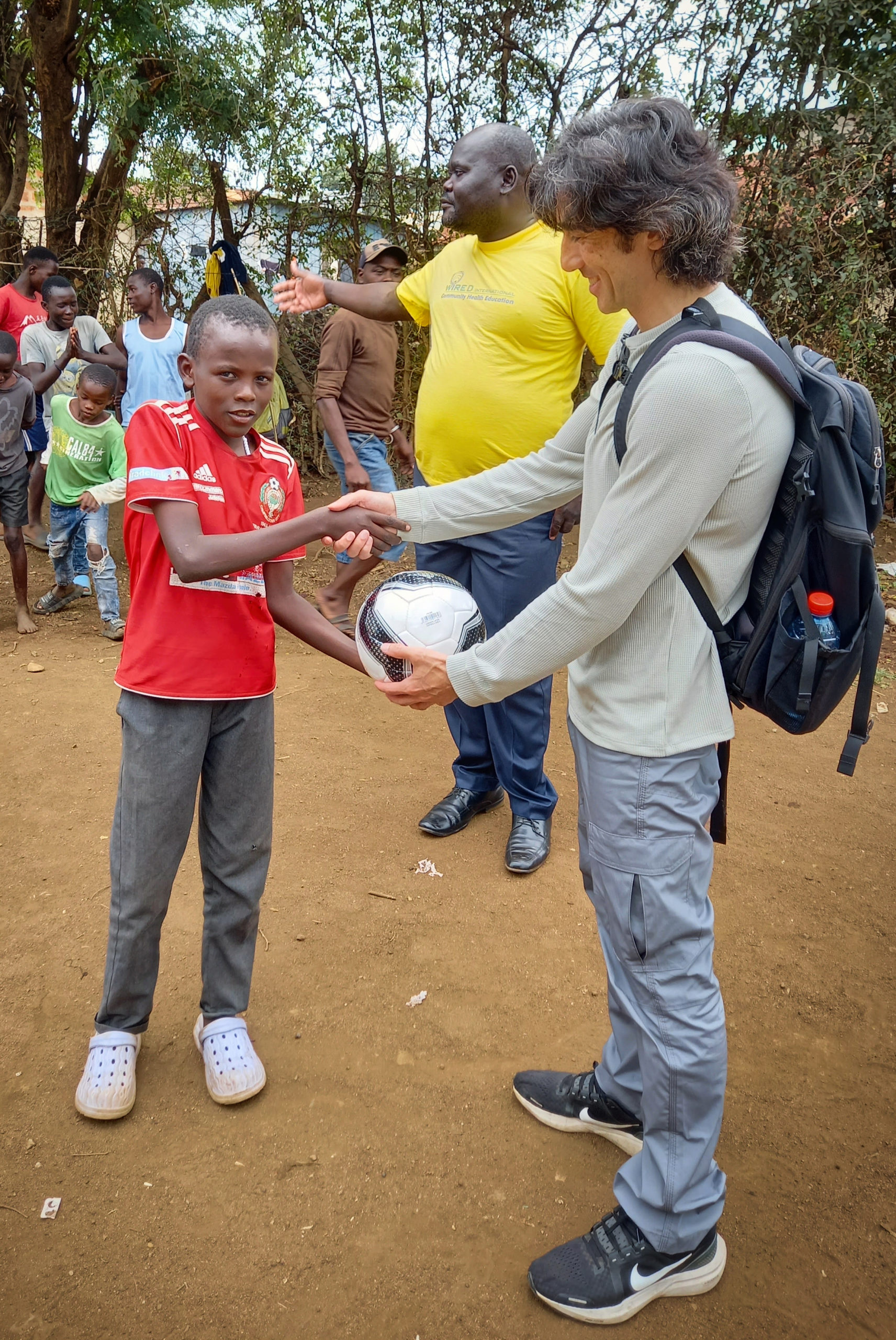
Sean Bristol-Lee holds a doctor of physical therapy degree from the joint program offered by the University of California, San Francisco and San Francisco State University (SFSU) with an interest in helping patients regain mobility after debilitating strokes. Prior to his doctoral studies, Sean earned a master’s degree in cinema studies from SFSU, with a special interest in documentary and experimental film. He continued his graduate studies at the University of California, Los Angeles’ Cinema and Media Studies program. To advance his interests in physical therapy and technology, Sean completed a certificate in Full Stack Web Development through UC Berkeley Extension. Most recently, Sean has focused on employing IT to provide healthcare services to underserved populations. He volunteered his time as the lead developer on WiRED’s new HealthMAP app, demonstrating his commitment to using his diverse skill set to improve healthcare accessibility.
