

By Allison Kozicharow; Edited by Elizabeth Fine
In 2025 the United States terminated foreign health aid and eventually pulled its membership out of the World Health Organization (WHO). With little access to vaccines and medicines, diseases — especially infectious diseases — are on the rise in low-resource countries. People are dying — particularly children, the elderly and people with chronic diseases.
 In response, WiRED International pledged to use every tool at our disposal to teach behavioral prevention for disease. We have provided health training for more than 25 years, but now with a new and urgent intent due to shortages of medical supplies and inadequate health structures in underserved areas. WiRED’s special target is infectious diseases, whether they be endemic (e.g., malaria, cholera) or emerging (e.g., COVID-19, bird flu).
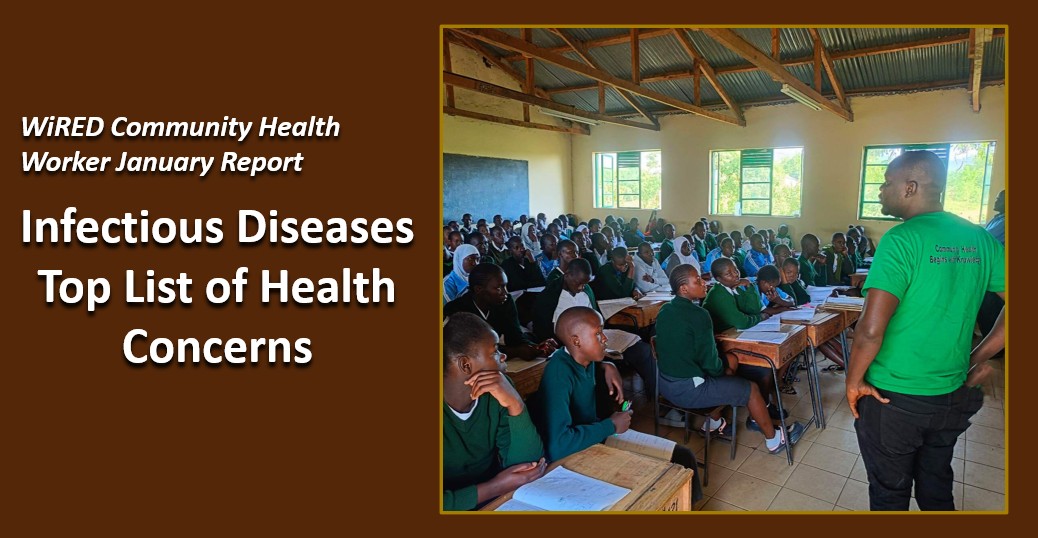
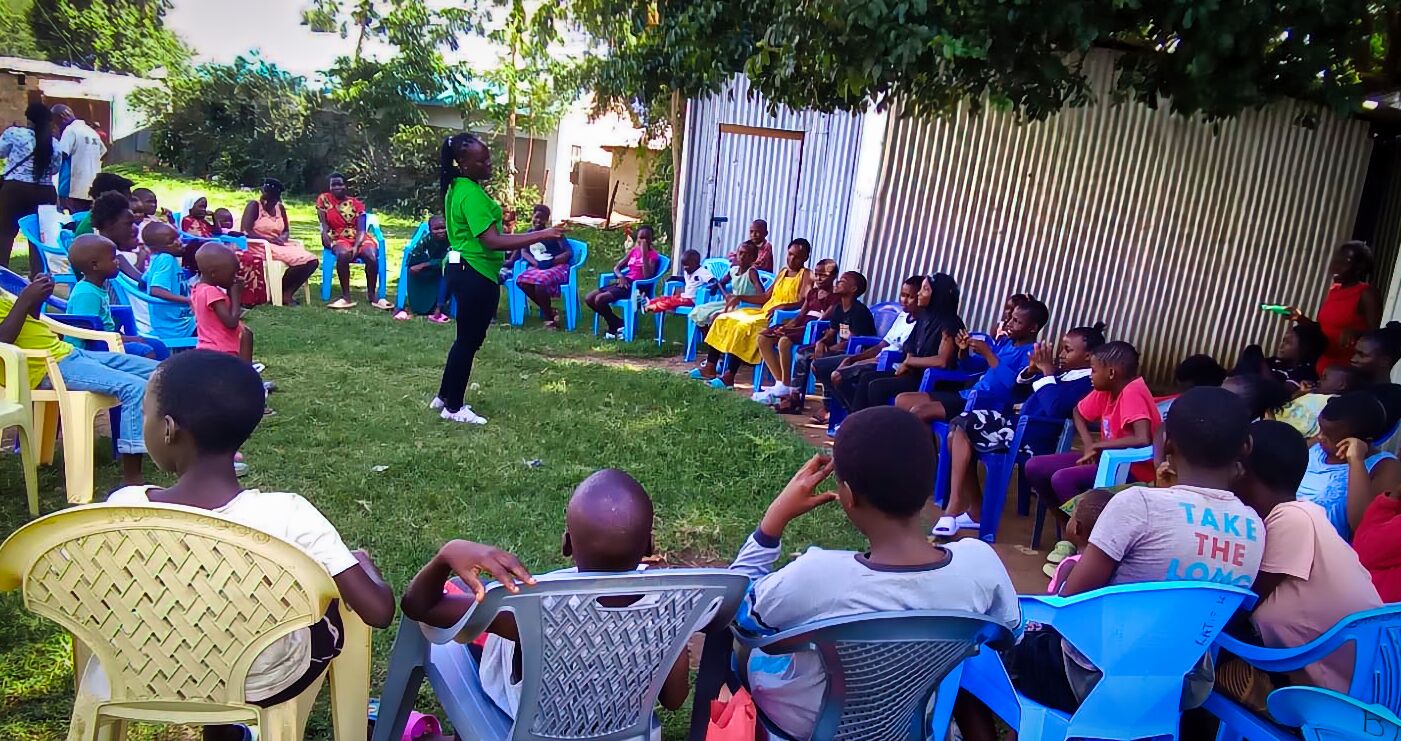 What is WiRED’s plan of action? Our many pronged approach centers around our WHO-compliant Community Health Worker (CHW) Program. WiRED launched our CHW pilot program in Kisumu, Kenya in 2020 (amazingly during the COVID-19 pandemic). We trained a paraprofessional, local team of around 20 young people using our professionally designed Basic Training curriculum comprising 35 interactive modules, covering a wide-range of topics critical to the daily activities of CHWs. From initially reaching a few hundred people with health services in their communities, our CHWs in Kisumu have expanded their reach each month, this January reaching 10,578 community members with clinical services and health training programs!
 In 2022 WiRED created our initial Continuing Medical Education (CME) Program, which ensures — in keeping with WHO guidelines — that our CHWs retain their skills and knowledge and develop new capacities. The required CME advances the CHWs’ clinical expertise and enables them to teach prevention effectively as they prepare their populations for disease outbreaks.
But WiRED didn’t stop there. Actions include:
- updating our innovative Tracker App, now available for both Android users and Apple users,
- creating infectious disease training animations,
- growing our library of modules as emerging diseases and concerns arise,
- training new CHW teams in Kenya and in other underserved countries and
- launching an Advanced Training Course for CHWs.
 WiRED will soon announce the launch of an expanded (CME) program, available to all CHWs globally, whether trained by WiRED, other organizations or health ministries. This comprehensive program aligns strictly with WHO guidelines for CHW continuing education.
WiRED vows to stay steady in our goal to help prevent all disease, promote healthy habits and educate communities on how to protect themselves.
January 2026 Statistics
During the month of January 2026, 20 CHWs in Kisumu, Kenya, reached a total of 10,578 people with health services. Working 24 hours per week, each of the CHWs met with at least 33 patients a week, and the largest number seen in a week by a single CHW was 279, most of them in health training classes.
Top health concerns for January in order of prevalence:
 Malaria (for the fourth month in a row)
- HIV/AIDS/Sexually Transmitted Diseases
- Tuberculosis
- Infectious Diseases
- COVID-19
- Mental Health
- Cholera
January Outcomes
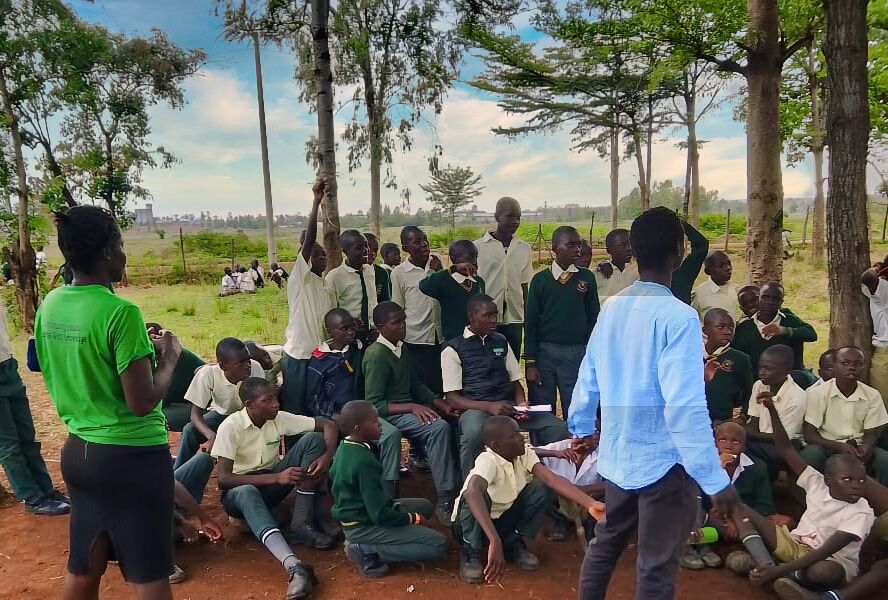
WiRED’s CHWs record data on home visits, referrals and follow-up to help others understand the direct interventions and level of care they provide. The following note CHW outcomes for December. Note that these reports are the CHWs’ own personal stories from the field.
Malaria
 During this month I made several home visits and conducted forums during which I educated my community about measures that should be put in place to prevent and control malaria. This month has seen a prolonged drought and an increase in mosquito breeding on stagnant waste water near homes. During my sessions, I met a family in Obunga who reported frequent headaches, fevers, nausea and other symptoms that made them sick. They were repeatedly told about malaria and typhoid, which they suspected, despite the fact that they had not visited a health facility for testing. I made them understand the importance of sleeping under treated mosquito nets; they believed that sleeping under the nets was ineffective during the dry season due to the heat. In addition, I taught them about proper food hygiene, water treatment and how to maintain general good health.
Following the discussions, I directed seven people to the Obunga dispensary, where I personally accompanied them for further evaluation. When they arrived at the dispensary, they were tested for malaria, and five of them were confirmed positive. They were treated and allowed to continue using drugs.
After a while, I followed up and found them safe and sound. They were grateful for my assistance and thanked WiRED International for the support and training they provided to us CHWs in the community.
—CHW Daniel Ayieko
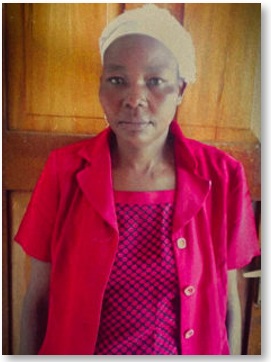 As I was making my rounds providing health education to the community members, I came across a mother who had a child less than five years old who had been suffering from malaria every now and again. I educated the mother about preventive measures, which includes sleeping under treated mosquito nets and clearing bush around the compound. She said that they are not sleeping under the net because the child sneezes a lot when they sleep under the net. I advised the mother to air the net under the shade before hanging it. She was not aware of airing the net but now she is aware. They are now sleeping under the insecticide-treated mosquito net and there’s no more sickness as it used to be thanks to the WiRED organization.
—CHW Milka Aoko Nyadiang’a
 During the month of January, I educated the community about malaria prevention measures and treatment. I teach them about the causes of malaria and urge them to visit hospitals in case of any signs of malaria. I tested people who show any signs of malaria, and those who were positive I referred to our nearest health facility where two children tested positive, got treated and were given drugs. Through the WiRED organization’s CHW training, many lives have changed because of the health information that people are receiving in the community from CHWs.
—CHW Carren Osomo
Mental Health
Mental health conditions are a major threat to our community at large. Most community members are now having mental health problems as a result of poor economic status. Most youths are getting involved in drug abuse hoping that it will solve their problems, but instead drug abuse causes more harm to them. We CHWs are now referring people with mental health issues to the health facilities for diagnosis and counseling. People have different symptoms of mental problems. Most symptoms are due to drug abuse intake and lack of cleanliness — sufferers are not able to bathe and change their clothes. Proper counselling by trained personnel has really helped the mental health problems cases.
—CHW Milka Aoko Nyadiang’a
 During this month I came across different groups of people with different health issues, but the most worrying one was about mental health. The economy is very bad. Parents were very stressed and some became depressed because they lacked school fees for the new year.
We CHWs discussed mental health with parents and explained the benefits of maintaining their mental health and their well-being. After the discussion, they come to an agreement that maintaining good mental health is important.
During this month, I referred 12 people at Migosi sub-county hospital because they were so depressed with mental issues. On my follow-ups many were doing well and continuing with the therapy sessions.
—CHW Lency Mmbone
Diarrhea
 Diarrhea in children is very common and often is a sign of simple infection. It occurs when a child has loose and watery stools or more bowel movements than is normal for that child. Diarrhea is the major cause of malnutrition, and undernourished children are at higher risk of experiencing more prolonged and often more frequent episodes of diarrhea.
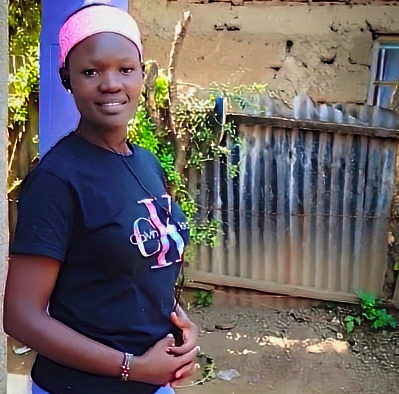
In the community I came across a young mother aged 24 years who had a four-year-old child who was suffering from diarrhea and was experiencing nausea, cramping, vomiting, fever, abdominal pain and dehydration. He was taken to Kyotohealth center and he is now in treatment. I went for a follow-up and learned that the child is in good condition.
—CHW Liz Adhiambo
 In the month of January as I was doing health education in my area I came across a certain woman with a child who had had diarrhea for the last 3 days. I talked to the mother and educated her on the causes of diarrhea, and on what can be done to avoid diarrhea. After our discussion I referred her and her child to the nearest health facility for further treatment. After 2 days of follow-up I found out that the baby was diagnosed with typhoid and is now doing well since she was put on medication. In the month of January I referred 10 children with diarrhea to a clinic for further examination and treatment. Three of the 10 were diagnosed with typhoid due to diarrhea and are under medication and are doing well.
—CHW Millicent Randiki
Teenage Pregnancy
 Many children in most schools in the slums still fall out of school due to teenage pregnancies because of the rampant drug abuse in this areas that lead to defilement cases. The drug addicts rape school-going children who are afraid of speaking out for fear of being judged by other people. I talked to a bunch of teenagers and they said opening up brings trauma. I told them about the safe places we have within Kisumu where they could get good treatment. They agreed to share and also take good care of themselves.
Also, I referred eight children who had runny noses and fever to Kunya medical clinic where they were diagnosed with the common cold and given medicines and now they are doing well.
—CHW Bunnyce Atieno
Influenza (Flu)
 Flu is a respiratory infection caused by viruses that attack our respiratory system. There has been an increase in the cases of flu recently. Most of the community members believe there was an outbreak of new COVID-19 viruses because the symptoms are severe, but it turned out to be flu. We CHWs urge the community members to visit the hospital whenever they experience severe viral symptoms. We referred three people to the nearest health facility. They were experiencing severe flu, which they believed was COVID. They were treated and went back home.
—CHW Zackary Omondi
Fibroids
 During my field work in one of the areas in my community while conducting my sessions I dealt with a health issue known as fibroids. Since most of my audience were females, I had a good discussion on the topic. During the session as we talked about the causes, signs and symptoms and even negative effects of fibroids on a woman’s health, there was a pregnant woman at four or five months who felt almost every symptom we were discussing on fibroids. And after the sessions she had a one-on-one talk with me. Afterwards I referred her to the JOOTRH health facility for more analysis, where they determined that she had fibroids. The doctors told her to keep coming to health facilities for checkups to ensure that the fetus was safe.
—CHW Mary Atieno Ogutu
Sneezing and Coughing
 It has come to my notice that many people in our locality tend to assume flu and coughs as normal. They sneeze and they cough, and by the time the headache and fever come in, that’s when they run to over-the- counter drugs such as pain killers. They don’t know the harm they are causing to themselves. I have been seeing cases such as these occasionally on my daily duties in the field and I advise these people on how to take better care of themselves, and especially educate them on how to prevent infectious diseases.
—CHW Imelda Anyango
Migraine
 There was a case where a particular man said he had a headache and he could not open his eyes during the day because of the sunlight. The man stated that he has been sleeping in a dark room even during the day. When I talked to him and referred him to Kuoyo dispensary, the man was diagnosed with migraine and given medication. There is also a similar case where another man said he felt severe headache but from both sides of his head. He has been taking pain killers, but the pain was not going away. I referred him to the hospital where he was found to be suffering from migraine because he was undergoing depression. The doctors counseled him and gave him medication. Both men also had malaria and were treated and are doing well.
—CHW Tracy Agatha Achieng’
Proper Nutrition
 As I walked around the community I noticed that many children in the village were often sick. I gathered the parents together and talked to them about proper nutrition. I explained the importance of eating a balanced diet with foods such as maize, beans, vegetable, fruits and milk. One mother decided to improve her family meals by using locally available foods. After a few weeks, her children became stronger and rarely fell sick. The community learned that proper nutrition builds immunity, supports growth and improves overall health.
—CHW Janet Awino Ochieng
