
By Allison Kozicharow; Edited by Elizabeth Fine
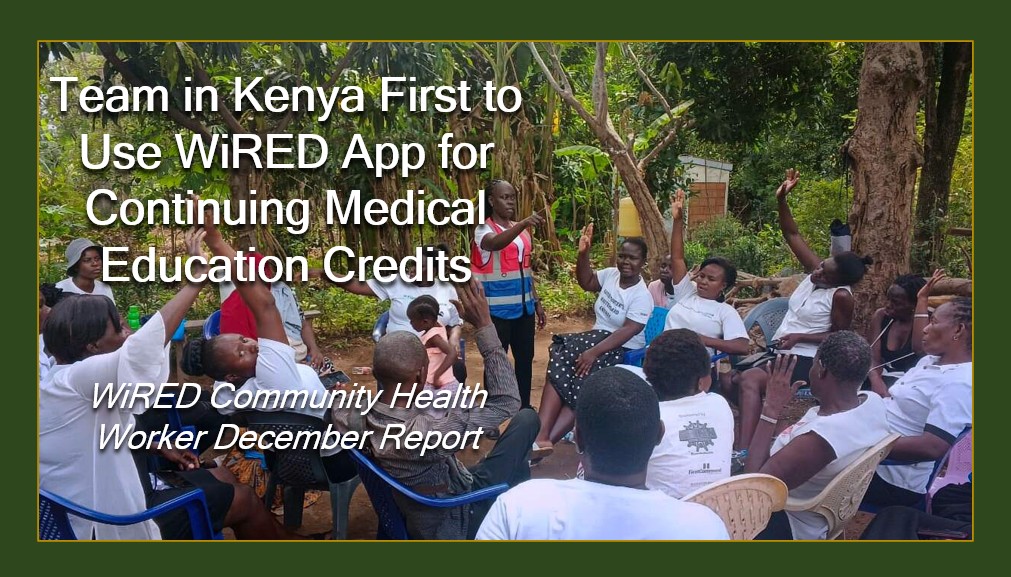
The holidays usually make December a slow month for WiRED International’s community health workers (CHW) in Kisumu, Kenya — but not this year! This December the 20-member CHW team provided 10,403 people with health services. Not only that but WiRED is excited to announce that 2025 is the first year that our CHWs were able to use WiRED’s new continuing medical education (CME) Tracker app to fulfill their CME requirements.

Eighteen of 20 CHWs earned their 50 credits by Dec 31, 2025. The two CHWs who did not complete this requirement will not continue in the program until they are able to complete a rigorous, supplemental training program. Thus, in keeping with WHO guidelines, WiRED ensures that our CHWs retain their skills and knowledge and develop new capacities in order to advance their clinical skills and teach prevention effectively as they prepare their populations for disease outbreaks.
 Why did WiRED create a CME program? The World Health Organizations strongly recommends that national health systems provide and mandate continuous professional development as part of a formal health workforce strategy involving CHWs.
Consequently, WiRED’s CME program requires each member of its CHW team to earn 50 CME credits each year. CHWs can select from hundreds of modules for their CME study. They can choose an assortment of topics or they can focus on a group of modules, each emphasizing a single topic, such as mother and child health, diabetes, HIV/AIDS, One Health and more.
How does WiRED’s CME program work?
- CHWs select and download the interactive modules to their phones. (The app is now available for both Android users and Apple users.)
- On their phones, they study the material and take an exam at the end of each module.
- They complete the exam, click “save” on their phones and the score is instantly stored in an online tracking program, allowing them to monitor their progress through the year toward the 50 required credits.
- Supervisors can monitor the progress of their CHW teams by way of a password- protected dashboard accessible on a tablet.
- This system uses WiRED’s innovative HealthMAP app that provides the modules and presents the interactive training material, the exam and the record keeping.
- WiRED is making HealthMAP and the entire CME program available globally without cost to CHWs in low-resource communities, whether they were trained by WiRED or other organizations.
 WiRED’s HealthMAP Tracker is the only program that provides such content, delivery and tracking for CHWs in low-resource communities without cost. Our CME program and Tracker represent another WiRED first that can revolutionize CME in regions overlooked by other programs — particularly relevant now that underserved communities are suffering from the severe budget cuts to global health. CHWs need to step in to augment a dwindling supply of doctors and nurses and address health needs resulting from the lack of medicines, vaccines and health infrastructure.
December 2025 Statistics
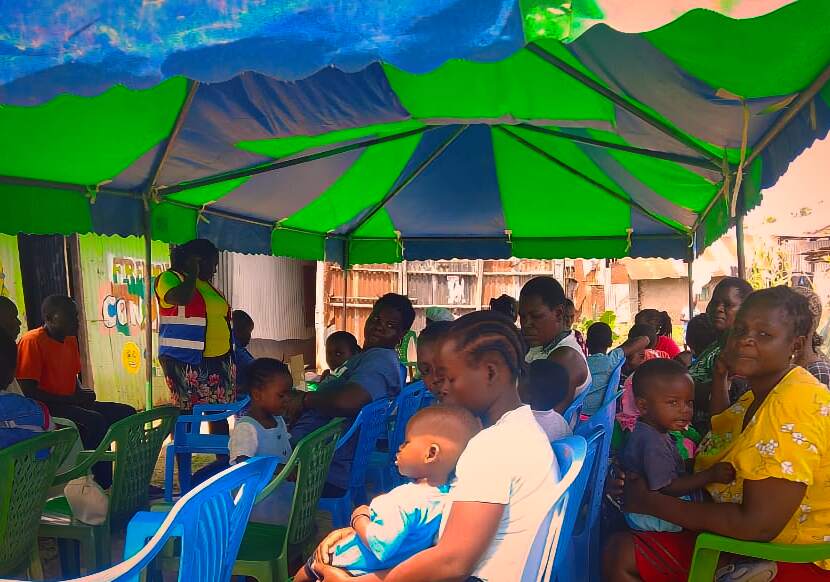
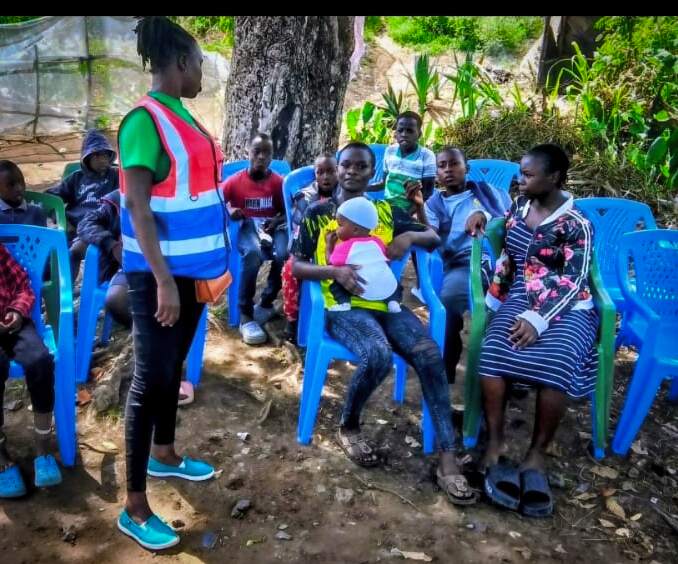
During the month of December 2025, 20 CHWs in Kisumu, Kenya, reached a total of 10,403 people with health services. Working 24 hours per week, each of the CHWs met with at least 40 patients a week, and the largest number seen in a week by a single CHW was 252, most of them in health training classes.
Top health concerns for November in order of prevalence:
- Cholera
- Malaria
- Sexually Transmitted Infections
- Tuberculosis
- Menstrual Hygiene Management
- HIV/AIDS
- Mental Health
- Hygiene
WiRED’s ever-growing library of health education modules, readily available on their smart phones, enables CHWs to promote healthy practices, disease prevention and to provide palliative care, as well as to refer people to clinics and perform follow-up visits.
December Outcomes
WiRED’s CHWs record data on home visits, referrals and follow-up to help others understand the direct interventions and level of care they provide. The following include sample outcomes for December. Note that these reports are the CHWs’ own personal stories from the field.
Malaria
 During this month of December I visited a certain family in Migosi that was complaining of headache, fevers, nausea and so many other signs that made them to be sick on and off. After a few discussions, we talked about malaria and typhoid, which they suspected to be possible diagnoses. We talked at length about mosquito nets, food hygiene, water treatment and how to maintain good health. After the discussions I referred them to the hospital and managed to escort them personally. All of them tested positive for malaria, and they were given medication and also mosquito nets. After a while I did a follow-up and found them safe and sound. They really thanked WiRED for training good CHWs to serve our community. In total I referred nine people this month for malaria testing at Migosi sub-county hospital.
—CHW Lency Mmbone
 During my CHW work this month I came across an old woman who has been sick off and on. She was buying over-the-counter drugs from the pharmacy and not feeling any better. I advised her to stop taking drugs without knowing what she is suffering from. She went to a medical facility, tested positive for malaria and received medication prescribed by the doctor. I told her to take the drugs following the directions. The doctor also advised her to avoid taking drugs from the pharmacy due to her old age. She thanked me and promised to follow the doctor’s instructions.
—CHW Carren Osomo
Tuberculosis (TB)
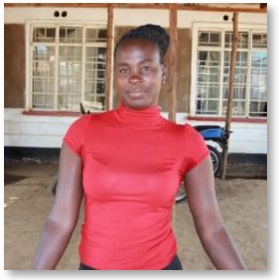 During one of the health sessions in my area, I had a discussion with my audience about TB. I am glad members of my community now know a lot concerning TB. We talked about the causes, prevention and even effects of TB to the community. During the session there was one man who told me he had a brother back home whom he thinks has TB and he is afraid of going to the hospital thinking he has HIV/AIDS. After we had finished the session he took me straight to his house and talked to the brother, who agreed to follow me to the hospital. All the tests were done and tested positive for TB. After I had referred him to the nearest hospital I went to the hospital to talk to him personally. He tested TB positive and received appropriate drugs, which he is taking faithfully.
—CHW Mary Atieno Ogutu
HIV/AIDS
 December is a holiday time, and all our teenagers are back home from school. I had to talk to the community about HIV/AIDS mostly because being we live in an area on the lakeside where it is said that the disease is more rampant and the most affected people are the youths. So to help reduce numbers of new infections, I gave talks on HIV/AIDS prevention and how to live with the illness. The parents agreed to care more for their teenage children to help prevent sexual abuse cases that come forth as a result of carelessness and lack of knowledge or engaging in drug abuse. We have formed groups, and I am glad they even do peer-to-peer education themselves in their own free time. I referred three patients to Migosi hospital. They were afraid of visiting the nearest dispensary. They wanted HIV testing because they were at risk. They tested negative and promised to engage in safe sex.
—CHW Bunnyce Atieno
Teenage Pregnancy
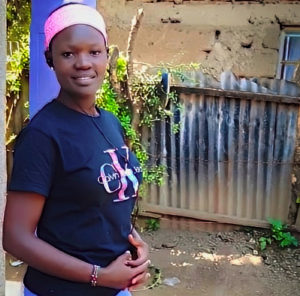 Parents are complaining about the closing of schools and students being at home for the holidays. Issues of boy/girl relationships is a problem in our society, often resulting in teenage pregnancies. I advised the parents to be their children’s counselors and teach them good moral values. Keep them busy and with household chores, provide sanitary towels to the teenage girls even if they are shy to ask for them, tune into the educational TV channels, encourage teenagers to read books and go to church to learn more values. Let them understand and know their background and tell them to work hard in school. I told them to accept the fact that being a parent is one of the most important tasks they will ever undertake.
—CHW Liz Adhiambo
Measles
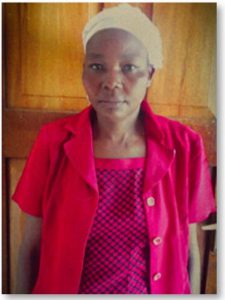 Most children were dying as a result of being infected by measles as a result of lack of information. Most parents never knew the benefits of measles vaccines, but when the CHWs started giving out health education in the community, they are now aware of the benefits. Every caregiver and parent now knows that a child is supposed to get two vaccines of measles at the age of nine months and 18 months. The number of deaths as a result of measles has now decreased as the parents are being referred to the health facilities by the CHWs for timely vaccinations for their children.
—CHW Milka Aoko Nyadiang’a
Typhoid
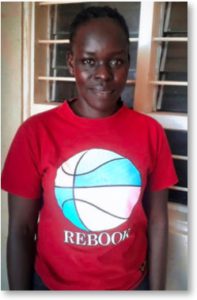 In December as I was visiting different villages giving health talks on typhoid, I came across a certain lady who was really complaining of stomach ache, diarrhea and headaches. I talked to her, counseled her and educated her on the signs and symptoms of typhoid. After that I referred her to the nearest health facility for further check-up. Three days after I followed up with her, I found out that the lady was diagnosed with typhoid. She was treated and is now doing well. This month I referred 15 people to a clinic for typhoid testing. Out of the 15 people I referred, three them were diagnosed with typhoid, were treated by the health care provider and they are now doing well.
—CHW Millicent Randiki
Pneumonia
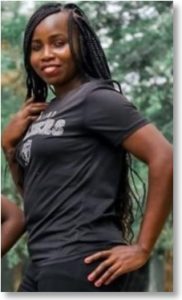
I met with a woman who has been having body aches and back pains, so I referred her to Kuoyo dispensary where the doctor monitored her and found out she was developing pneumonia. She was given medication and she is doing well. Next, An adolescent also opened up about having leg cramps starting from the upper thighs. When I referred her to Kuoyo dispensary, the doctor found out that she has been diagnosed with pneumonia and still under medication.
Then, I saw a business woman who is elderly, who normally wakes up very early in the morning to go to the market. She had chest pains and body aches. When I referred her to Kuoyo dispensary the doctors found out she was also developing pneumonia, and they put her under medication. At the moment her health is improving. She was advised to put on heavy clothes and socks as well.
—CHW Tracy Agatha
Climate Change (Flooding)
 As a nation Kenya experiences extreme weather as a result of climate change. First a long dry season, then we experience a long rainy season with flooding, which is happening now. I have advised the community to build terraces and gabions (mesh cages, cylinders or boxes with rocks for erosion control and barriers). They have promised to do so.
—CHW Imelda Anyango
Drug Abuse
 During the December sessions, I encountered a group of young people who were nearly identical in age. They were influenced by their peers because the schools were closed for the extended holiday. According to their parents’ feedback, it was very difficult to manage them without our assistance because they engage in drug abuse and other negative behaviors when their parents are not present. After receiving complaints from their parents, I met with the boys and taught them about the negative effects of drug and substance abuse. They told me that they were using locally brewed alcohol and bhang (a form of cannabis). After receiving counseling, they pledged to stop using drugs and to engage in active sports to keep themselves occupied. One of the parents came up to me and thanked me for being brave enough to offer advice to his son, whom he saw was changing for the better and becoming more respectful.
I taught a lot of young people about drug abuse over the December holiday, and they took everything I said into consideration, which is why there have been a lot of changes among them. Many have changed and promised to continue attending my sessions.
—CHW Daniel Ayieko
Vaccination, Hand Washing and Safe Drinking Water
 One morning during my routine households visits, I met a mother who was worried about her child’s frequent illness. After talking with her, I realized the child had not completed immunization, and the family lacked proper hygiene practices. I educated the mother on the importance of vaccination, hand washing and safe drinking water. I also referred the child to the nearest health facility. A few weeks later I followed up and found the child healthier and the family practicing better hygiene. This experience reminded me how health education and early intervention can greatly improve the well-being of a community.
—CHW Janet Awino Ochieng
Water Treatment
 Water is an essential need in our daily life. It helps to keep our body healthy and fit. It contributes to the formation of blood. Without water our body systems cannot function properly. It is also important to note that we should not consume any water but water that is clean and safe. Dirty water contains a lot of germs and bacteria that causes diseases such as cholera, bilharzia and amoeba. That’s why it is important to consume safe water that is treated. Treatment of water is important because it kills germs and other forms of diseases found in water. During our health sessions we informed our participants to ensure that they consume clean and safe water on daily basis. Most people in our community consume unclean and safe water for cleaning and drinking. We urged them to begin the practice of using and consuming safe water to avoid diseases arising from dirty water.
—CHW Zackary Omondi
Bilharzia (also called Schistosomiasis or Snail Fever)
As I was going round in the community giving out health education on bilharzia, I came across a man who has been urinating blood on and off but did not know the reason or what type of disease he was suffering from. After the health education session on bilharzia, he approached me and we had one-on-one talk about bilharzia. I referred him to the health facility for more diagnosis, and he was treated for bilharzia. During my follow-up, I found him doing well, and he promised to go back for check-ups at the facility. He is now happy and appreciated WiRED for the good work the CHWs are doing.
—CHW Milka Aoko Nyadiang’a
