
By Allison Kozicharow; Edited by Staff
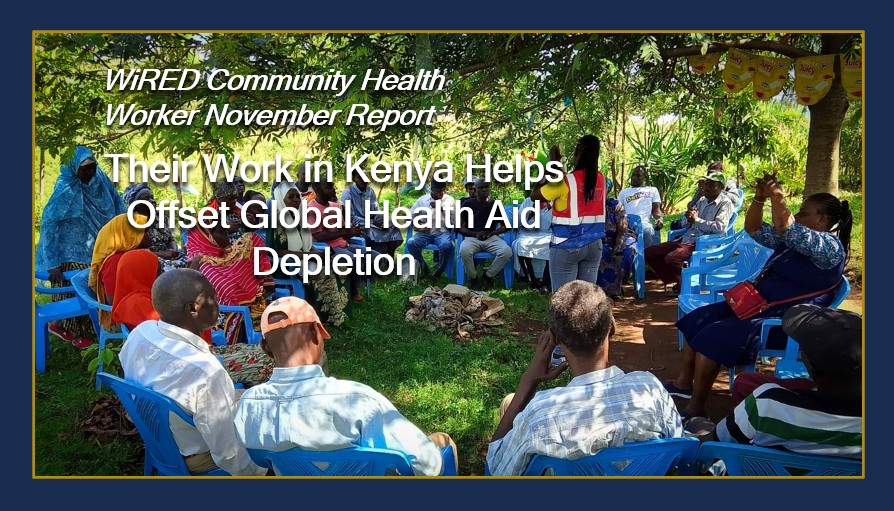
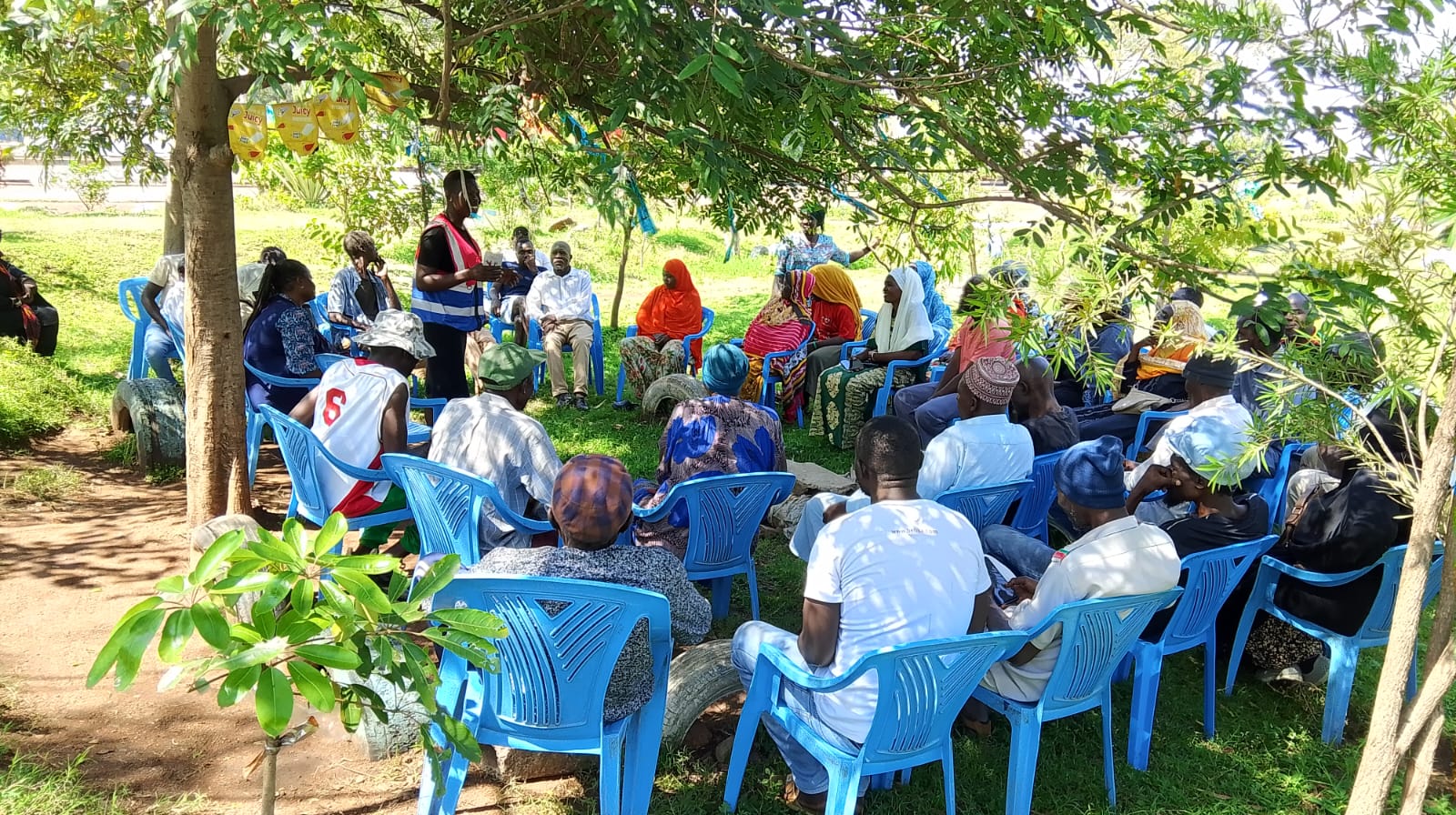
In November WiRED International’s community health worker (CHW) team in Kisumu, Kenya CHWs provided education for their population on a wide range of illnesses and preventive measures to guard against disease. CHWs held health sessions, met with people one on one, visited schools, referred patients to clinics AND, in support, accompanied them there. They also performed home visits and follow-ups.
 Indeed, CHWs have become such trusted members of communities in Kisumu, Kenya that WiRED has just trained a brand new team of CHWs to serve even more people in the coming year. (Look for a story on the new class of CHWs in the near future!)
According to a recent World Health Organization report, “This year’s funding cuts have compounded years of persistent health financing challenges for countries, including rising debt burdens, inflation, economic uncertainty, high out-of-pocket spending, systemic budget underfunding and heavy reliance on external aid.”
To address the significant losses to global health programs, WiRED has considerably expanded our health training curriculums to all CHWs worldwide. WiRED also has increased the number of our CHW training classes four-fold in Kenya. Our aim is to provide expert training resources to communities in need of skilled health workers and not let cost become a block to CHW training.
November 2025 Statistics
During the month of November 2025, 20 CHWs in Kisumu, Kenya, reached a total of 9,198 people with health services. Working 24 hours per week, each of the CHWs met with at least 30 patients a week, and the largest number seen in a week by a single CHW was 302, most of them in health training classes.
Top health concerns for November in order of prevalence:
 Malaria
- HIV/AIDS
- Sexually Transmitted Infections
- Menstrual Hygiene Management
- Sanitation and Hygiene Management
- Typhoid
- Mental Health
- Tuberculosis
- Hypertension
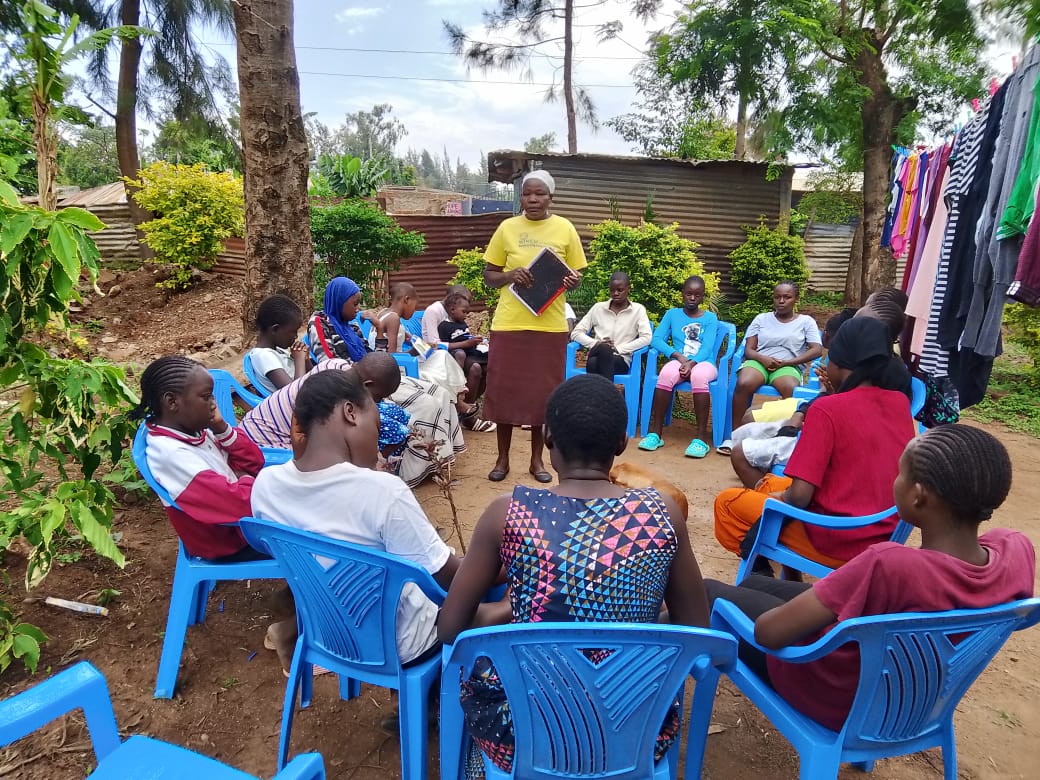
WiRED’s ever-growing library of health education modules, readily available on their smart phones, enables CHWs to promote healthy practices, disease prevention and to provide palliative care, as well as to refer people to clinics and perform follow-up visits.
Our health training material is available without cost to all CHWs worldwide through HealthMAP, our app available to Android and Apple phones.

November Outcomes
WiRED initiated a new reporting system for our CHWs last March. The new outcomes procedure records data on CHW home visits, referrals and follow-up to help others understand the direct interventions and level of care CHWs provide.
The following include sample outcomes for November. Note that these reports are the CHWs’ own personal stories from the field.
Malaria
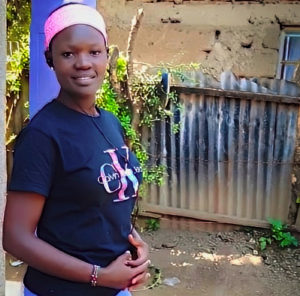 In my field work this month I taught people that malaria is caused by a parasite transmitted by the bite of infected anopheles female mosquitoes. We discussed how it can be spread by the insect stings and by blood products (unclean needles/unscreened blood). We also looked at the signs and symptoms (e.g., fever, headache, vomiting, diarrhea, fatigue, sweating, muscles aches, dizziness, chills, seizure/confusion, kidney failure and chest pain). We found that malaria can bring on severe symptoms such as paralysis; therefore, it is important to go to the hospital when you notice any symptoms for a checkup and hence get treatment. In addition we talked about malaria prevention for pregnant mothers.
I met two patients who had signs and symptoms of malaria. I referred them to Kuoyo health center where they were diagnosed with malaria. They are under medication and the response is positive.
—CHW Liz Adhiambo
 During this month I visited a certain family at Nyawita that had been ailing on and off but didn’t know the problem. They’ve been taking paracetamol to ease pain but the pain came back. We discussed signs and symptoms of malaria such as fever, pain, diarrhea, headache and many more, and these were what they had. We also talked about malaria prevention, and I found out that their mosquito nets had torn, exposing them to be bitten by mosquitoes and infected by malaria. I advised them to visit the nearest clinic, which was Nyawita, to get treated and also be given new mosquito nets.
This month I referred six people to Nyawita for malaria diagnosis, and they were treated and given medication.
—CHW Bunnyce Atieno
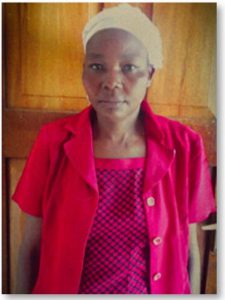 Malaria is a disease that can be prevented in the community. Those mostly affected with malaria are children under five years, pregnant mothers and elderly people, whose immunity has been reduced.
 Malaria affects a high percentage of people because they do not practice preventive measures such as draining stagnant water, slushing the bushy areas, sleeping under treated mosquito nets and getting immunizations for the under-five children especially. Malaria signs and symptoms include vomiting, diarrhea, fever, lack of appetite and general body weakness. When one sees these symptoms, there is a need to go to the health center for more diagnosis. Malaria infections have gone down due to the fact that WiRED CHWs are now giving out health education and referring clients to the clinics for diagnosis.
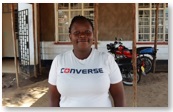
—CHW Milka Aoko Nyadiang’a
Mental Health
 During November I came across a group of youths at Selina in Migosi. They were very frustrated because the schools closed for vacation. They didn’t receive good grades so that the parents were unhappy or talked to them in an unpleasant manner. To avoid their parents the teens used to wake up in the morning, spend the day at their friends’ houses and only go back at night when their parents had calmed down.
The issues had really interfered with their mental health, making them hate their parents. I explained to the youths how it is important to keep our mental wellness because it affects our thinking, our feelings and our emotions and can cause us to make bad decisions. After a long discussion I told them reasons why their parents were furious at their failing school: it’s not easy to pay school fees and they also want good futures for their kids. The youths understood, and I also they ask their parents for forgiveness. If the teens continue to experience poor mental health, I advised them to visit a therapist.
This month I managed to refer 12 people to Migosi hospital to receive mental counselling, which on my follow-up proved very successful.
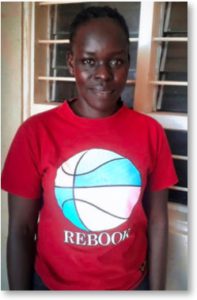
—CHW Lency Mmbone
Tuberculosis (TB)
 As I was doing health education at the community about TB I came across a certain lady who had been coughing for the last two weeks. After I finished the community discussion on TB I called her over and sat with her, talked to her and counseled her on the mode of transmission of TB and on the prevention measures. After I had talked to her I referred her to the nearest health facility for further checkup. After three days of follow-ups I found out that the woman had been diagnosed with TB, was put on TB drugs and now is feeling okay. She can do her work without difficulty, and she is not coughing a lot. She thanked WiRED for the support they have been giving to the community members.
In the month of November I referred five people for TB screening. Out of the five people, two people were diagnosed with TB and are on TB drugs.
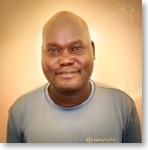
—CHW Millicent Randiki
Cholera
 In November when I was going round educating the community on disease prevention I decided to share information on cholera and how we can prevent it. We discussed how best we can take good measures in controlling the infections and decided that as a community we have to follow steps to prevent cholera. They agreed to always boil water, and in addition to that they would also treat water either from its source or before it’s used for any purpose. Through continuous health education as a CHW, I have witnessed a lot of change in behavior within the community. The data demonstrate the reduction in the number of cholera and typhoid patients at the Obunga dispensary where I make some referrals. Also, I visited several homes to determine how they treat water and found out that they are treating water before use and even keeping it in clean, covered containers.
 During this month of my work as a CHW I taught the community about cholera symptoms and its prevention and they were very positive about following the teachings. The community is very happy about learning from the WiRED health education modules, which are available free on google play store.
In addition I made six referrals to the Obunga dispensary of people who were complaining about stomachache. They got treated and went back to their homes. Upon making follow-ups, I found out that they were doing well.
—CHW Daniel Ayieko
Urinary Tract Infection (UTI)
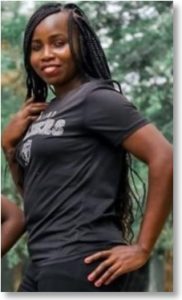
There is a household where three kids were having same symptoms such as vomiting, stomachache and diarrhea at the same time. The mother thought it could be an infection from the toilet because a number of neighbors use the same toilet. I referred the kids to Kuoyo dispensary where the doctor examined the children and found that two of the children had UTIs while one kid had malaria plus a UTI. The doctor gave them medications, and they are doing well.
—CHW Tracy Agatha Achieng’
Bilharzia (also called Schistosomiasis or Snail Fever)
 In the past two weeks the government of Kenya introduced the campaign of vaccinating children aged 5 years to 14 years old against bilharzia, which is a parasitic disease contracted from flat worms. This exercise took off successfully and ended successfully. Many children in our locality got vaccinated against this disease.
Many a time parent do tend to refuse to get their children vaccinated, but this time around that has changed. Parents turned out in large numbers for this exercise to be a success.
—CHW Imelda Anyango
Drug Abuse
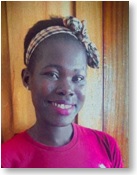 During November sessions I came across many youths who succumbed to peer pressure because schools were closed down early. It’s not easy for their parents to manage them without our help because when their parents are not around they involve themselves in drug abuse and other bad behaviors. I talked to one of the mothers who was so angry with her son for sniffing bhang (a drug made from cannabis leaves). I talked to that boy and counseled him, and he promised to avoid bad influence groups. He decided to attend my health sessions every time for his well-being. The mother was very happy and appreciated me for the improvement and good impact on his son.
During the holiday of November, I taught many youths about drug abuse and they listened to all my teachings. There are now many changes in thinking among them. Many had changed and are still involving themselves in health sessions.
—CHW Carren Osomo
Child Health and Nutrition
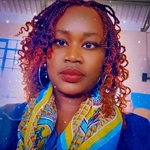 A woman named Mama Grace had a baby named Charles. She loved him dearly but often fed him porridge with lots of water so it could last the whole day. Charles often tired, got sick easily and was not growing well. One afternoon as I was on my usual visits I went to their home. We started talking, and I explained to her the importance of thick, nutritious porridge with ingredients such as ground nuts, beans, eggs, vegetables and fruit. Mama Grace started preparing rich meals for Charles and attended growth monitoring group sessions. Within a few months Charles became stronger, active and full of laughter. Other mothers noticed and followed Mama Graces’ new habit, creating a healthier community.
—CHW Janet Awino Ochieng
Dental Health
As I was going round in the community educating people on health issues, I came across a mother who had a three-year-old child. The woman had no information on how the child should brush her teeth, and the child developed dental problems. The mother said that she was not aware that a child that age had to brush her teeth twice a day. I informed her that without brushing the teeth, food particles remain after eating and cause bacteria to affect the teeth. I also told her that the child needs to avoid sweets and sweet drinks as this makes the teeth decay. When I followed up, the child’s teeth were clean with no decay at all. The mother is thankful to WiRED for bringing health education to the community.
—CHW Milka Aoko Nyadiang’a
Family Planning
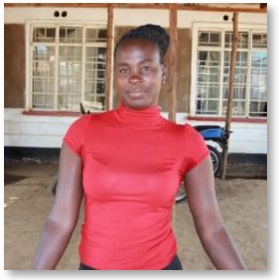 During my fieldwork one day in my community I led a session with a group of women on family planning. During the session they paid much attention to the topic since most of them although most of them were against family planning. There is a church that does not tolerate family planning and really opposes it. When I talked about the benefits of family planning some of them who were against it began changing their minds. I encountered one woman aged 28 who got pregnant each year and had six children at the moment and was even pregnant with her seventh child. This was because the husband was against family planning. When I talked about the benefits of family planning with regard to the economy now, she decided that she would go for it immediately after childbirth.
I had a one-on-one talk with one of the women after the session. She wanted to know the best family planning she could use. I referred her to the nearest hospital where I’m glad she was helped. Up to now she is on a family planning method that is best for her body and copes well with it. But I told her in case of any problems that she should go back to the hospital.
—CHW Mary Atieno Oguto
