
Gary Selnow, Ph.D.
Executive Director, WiRED
 Ten years ago, WiRED International made a strategic pivot that felt like a calculated risk: we shifted our entire health awareness focus toward training community health workers (CHWs). At the time, we couldn’t have predicted the current political landscape where a sweeping U.S. policy has effectively dismantled decades of support for global vaccines, medicines and infrastructure. As a result, the world’s most vulnerable populations today are staring at a frightening future where healthcare systems have been significantly weakened.
Despite the dwindling resources, WiRED’s expanding curriculum and computer delivery systems have proven remarkably effective at meeting community needs. We are well-equipped to prepare CHWs for their vital roles in healthcare delivery and disease prevention during this critical period and beyond.
I recently returned from Western Kenya, where WiRED has been cultivating its CHW initiative. Joining me was Sean Bristol-Lee, DPT, the architect of HealthMAP, our digital lifeline that streams critical health resources directly to the mobile phones of workers anywhere in the world.
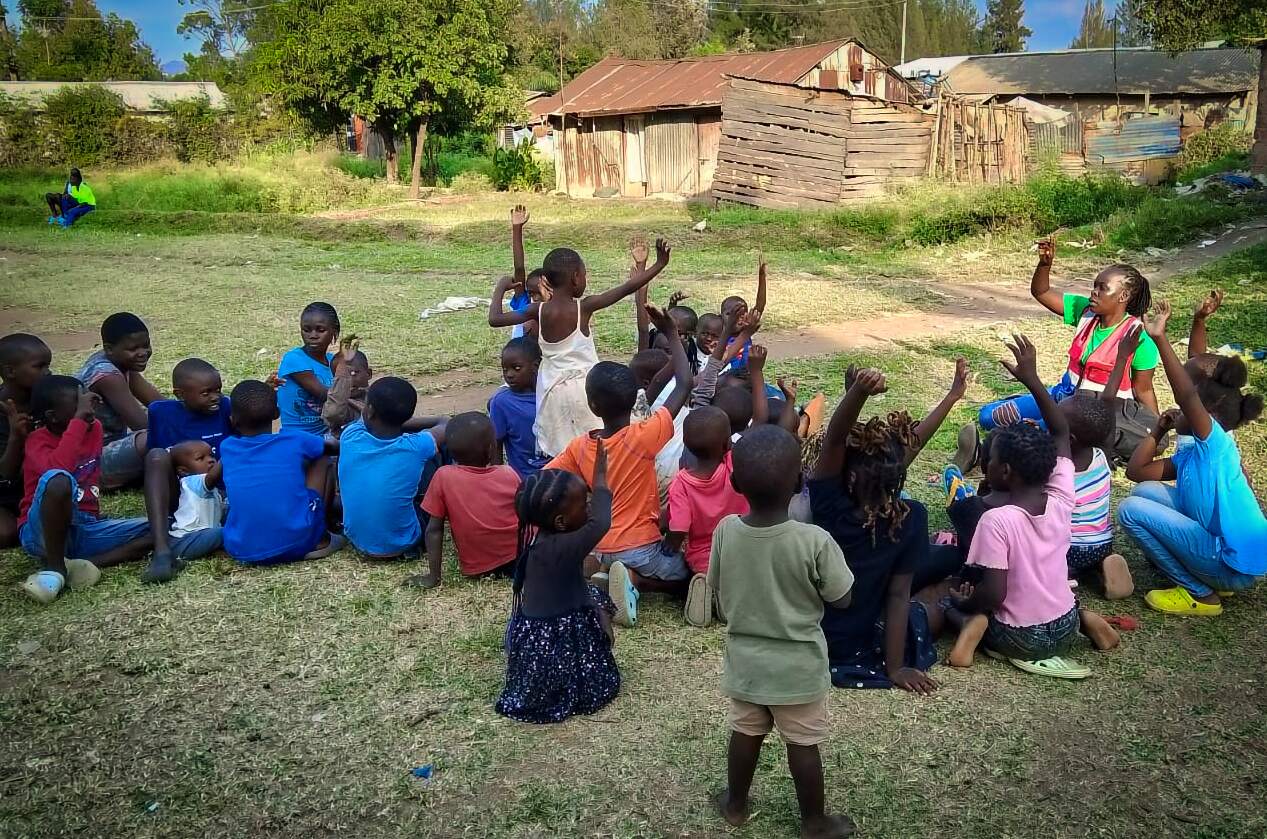
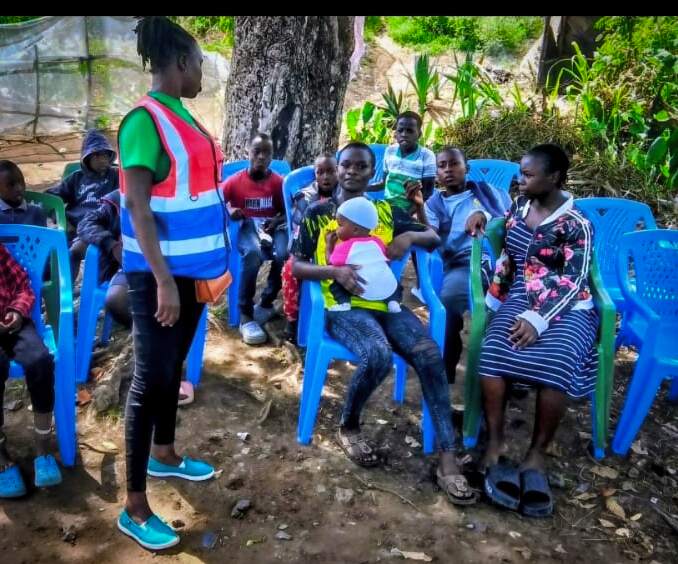 The data from the field is impressive. A single 20-member CHW team in Kisumu, Kenya now reaches roughly 10,000 community members every month. The statistics reveal the outreach effectiveness of clinical services and disease prevention programs in schools, health screening clinics and other public forums. We met with these seasoned CHWs to listen to their experiences and to learn about their strategies for advancing community health in a time of unprecedented resource scarcity.
 This trip to Kenya was defined by two milestones that will explain how we add programs to train the next generation of health workers:
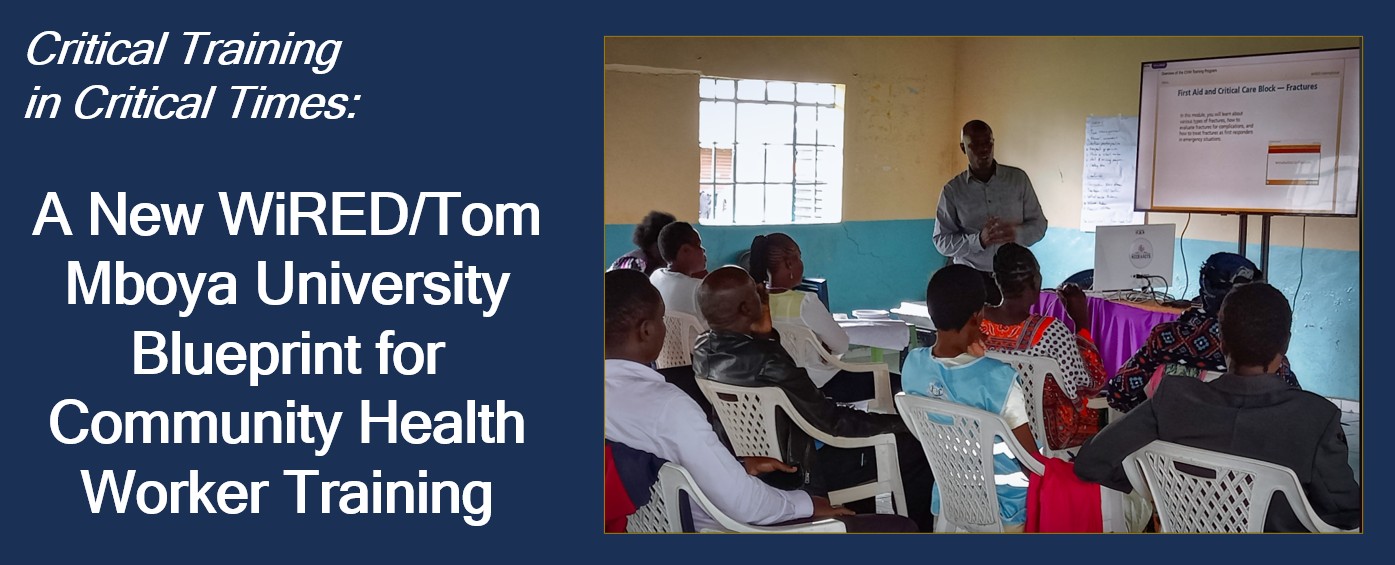
1. In a historic move, Tom Mboya University (TMU), a premier Kenyan public institution, has launched a year-long certification program for CHWs using WiRED’s basic, advanced and health specialty curricula. This is a first for Kenya: a rigorous, high-level academic track covering a professional-level CHW training program. By adopting WiRED’s curriculum, TMU is fortifying the health ramp or bridge concept advocated by the World Health Organization. Graduates will become the critical health workers on the ground who know and train the community and clear the way for people to obtain higher-level care through seamless connections to the official health system.
 The synergy between WiRED and TMU is no accident. WiRED operates with a dedicated team of professors, doctors and nurses and other key professionals with deep roots in higher education. Our commitment to academic excellence makes a university partnership a natural vehicle for our mission.
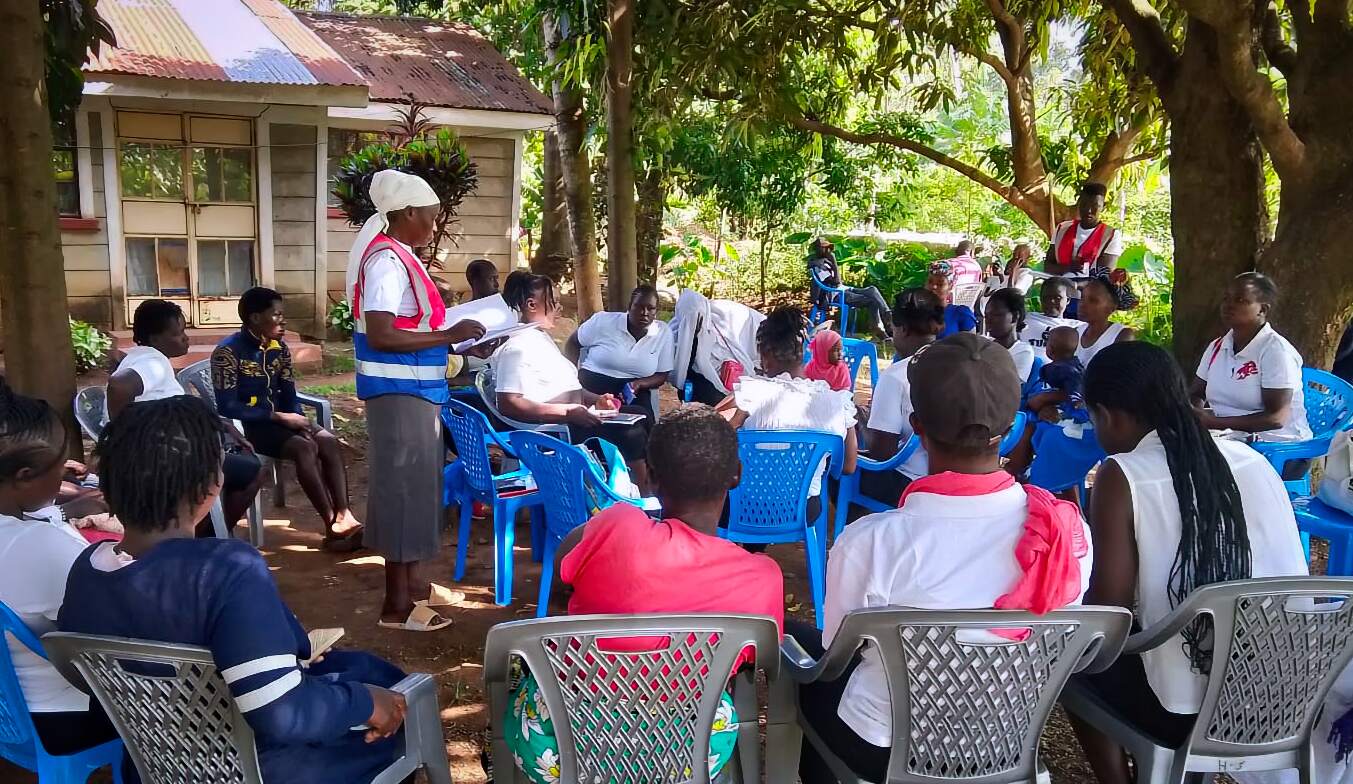 2. Presentations of our training programs resonated deeply with local leadership. After reviewing our curriculum and HealthMAP platform, county Ministry of Health (MOH) officials recognized a solution to their growing challenges. One county has already signed a Memorandum of Understanding with WiRED to launch a “Train-the-Trainer” and “Train the Supervisor” programs, which we are prepared to do so immediately. Three additional counties are currently reviewing the results for adoption.
The healthcare gap is widening, but our model is scaling quickly in an effort to address the worst effects. By empowering CHWs who live within these communities to provide key services, prepare communities and become their medical advocates, we are doing more than just filling a void. We are building a sustainable, local and technologically empowered guard against the rising tide of global health inequity.
 This article details a strategic partnership between Tom Mboya University (TMU), WiRED International and the Kisumu Urban Apostolate Program to launch a Community Health Worker (CHW) training program in Kenya. Led by Vice-Chancellor Prof. Charles Ochola and WiRED’s Prof. Gary Selnow, the initiative focuses on professionalizing community health work through structured training to improve frontline healthcare in underserved areas.
Beyond the certification, the collaboration explores establishing a new nursing program at TMU in conjunction with San Francisco State University, marking a significant milestone in TMU’s efforts to expand its academic reach and strengthen Kenya’s health workforce development.
