
By Gary Selnow, Ph.D.; Edited by Allison Kozicharow
A week ago in a story on this website, WiRED International described alarming reports from the World Health Organization (WHO) highlighting a global surge in child malnutrition. In response to this expanding threat, WiRED has developed and released a comprehensive health training module dedicated to childhood nutrition in low-resource regions.
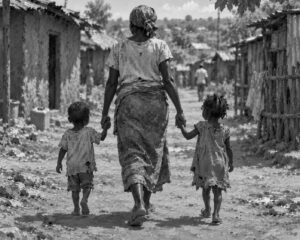 Designed specifically for community health workers (CHWs), this interactive module addresses the urgent need for practical, evidence-based guidance where food insecurity and economic hardship are most severe. Malnutrition during early childhood sharply compromises immunity, stunts physical and cognitive development and increases vulnerability to preventable diseases.
The module provides CHWs everywhere with actionable strategies focused on early assessment, practical solutions and community education. The module includes topics such as these:
- Nutritional Assessment and Early Detection: CHWs learn about key indicators for identifying clinical signs of undernutrition and early growth problems. This allows for timely community-level intervention before severe complications arise.
- Maximizing Local Food Resources: A central focus of the module is guiding caregivers on how to prepare nutrient-dense meals using affordable, locally available ingredients. In this module, CHWs are trained to counsel caregivers how to optimize traditional foods to meet essential vitamin, mineral and protein requirements.
 Infant and Young Child Feeding: The module reinforces critical guidelines on exclusive breastfeeding during the first six months of life, followed by the introduction of nutritionally adequate and safe complementary foods as children grow.
- Micronutrient and Hydration Support: CHWs learn strategies to recognize critical vitamin and mineral deficiencies and manage common complications such as dehydration from diarrheal illness.
- Relationship Between Nutrition and Infection: A child who is inadequately nourished is more vulnerable to infection. In turn, infection can worsen a child’s nutritional status. The module considers this relationship and discusses interventions to break the cycle.
By translating complex clinical guidelines into clear teaching points, the module expands the range of topics on which WiRED’s CHWs serve as primary health educators within their communities. The module also provides CHWs with tools for their assessment of nutrition-related health issues and guidance on proper responses, including when caregivers should seek higher-level medical care.
 Like all tools in WiRED’s health e-library, this module is evidence-based and available entirely free of charge to all CHWs, trained by WiRED or other organizations. It can be accessed online or downloaded for offline use on tablets and smartphones, ensuring that healthcare providers in even the most remote regions can deliver lifesaving nutritional guidance.
This module, along with modules on hundreds of other health topics, is available for Continuing Medical Education credit on the HealthMAP platform.
