
By Allison Kozicharow; Edited by Elizabeth Fine
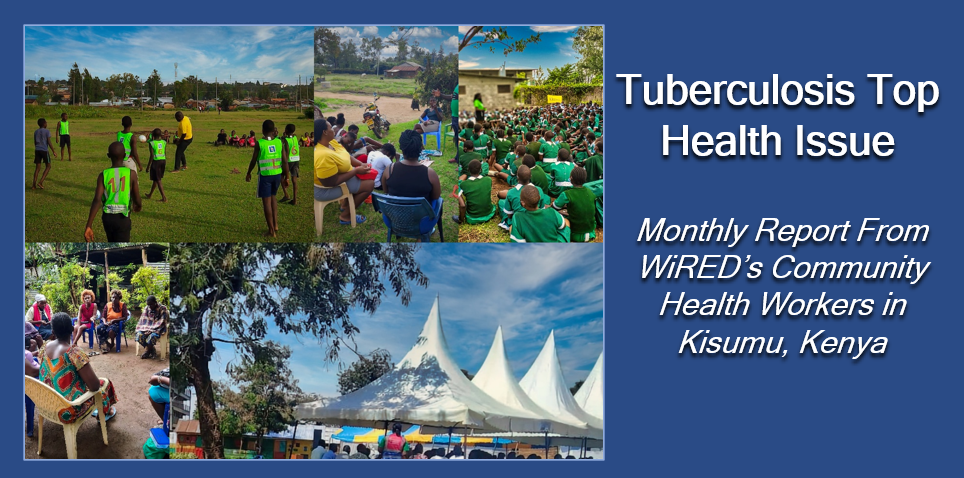
 WiRED International community health workers (CHWs) reached almost 10,500 people in Kisumu, Kenya this month. Tuberculosis (TB) hit #1 as the top health concern in August, followed closely by the endemic diseases of malaria and HIV/AIDS.
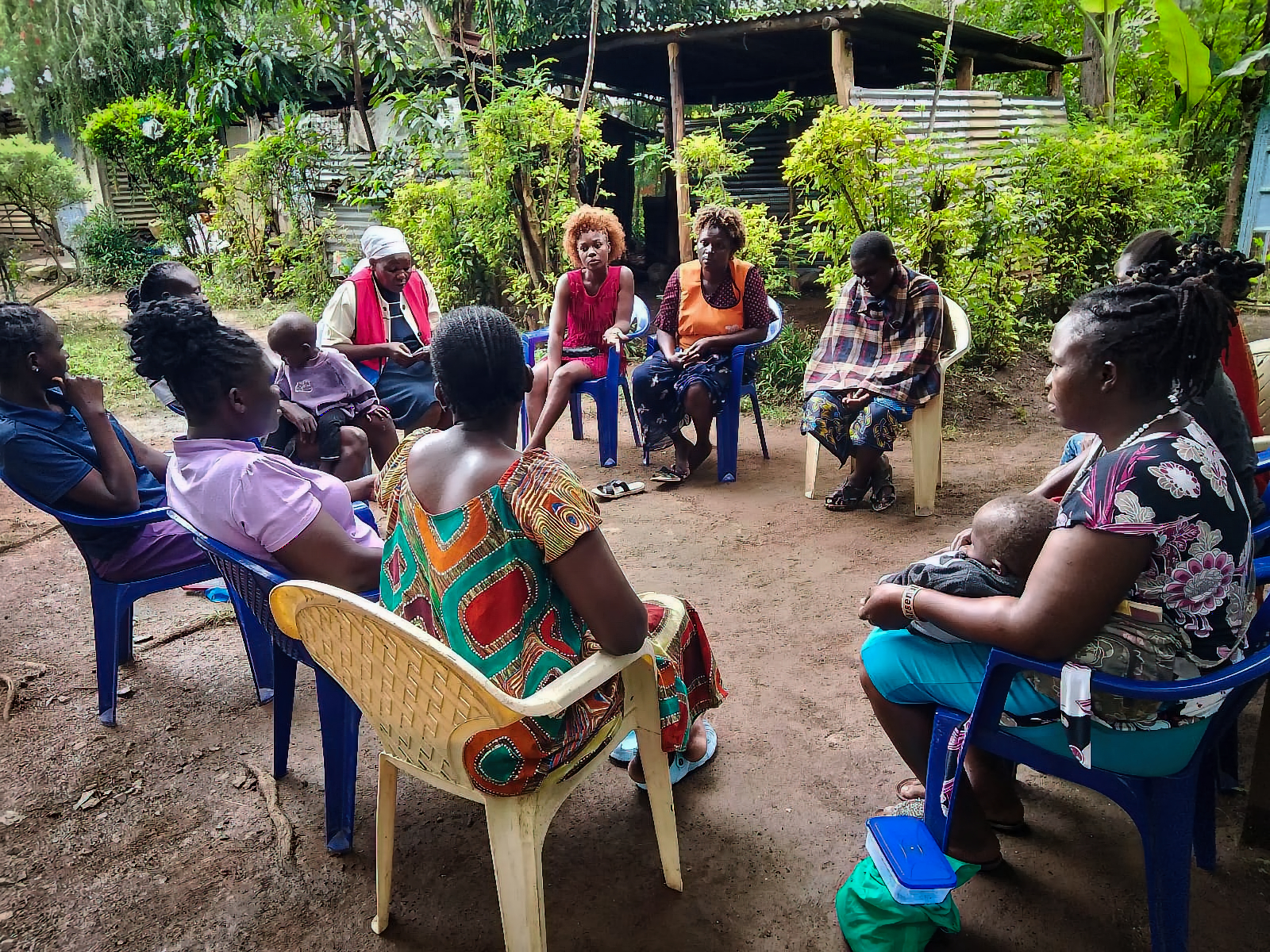
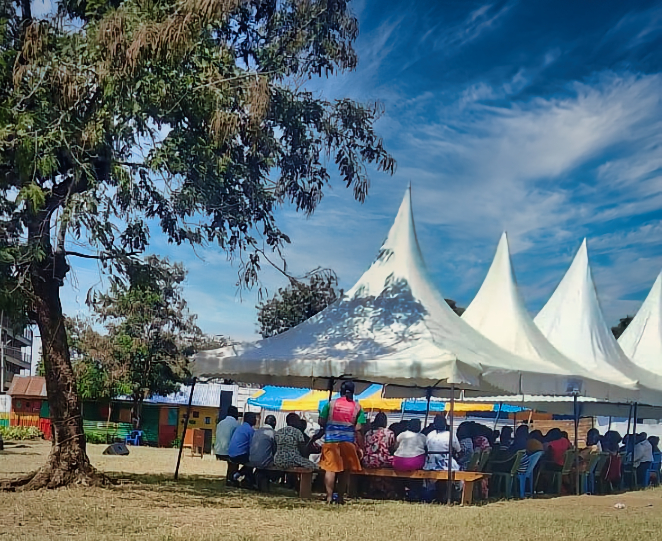
WiRED CHWs not only teach their communities about signs and symptoms of TB, but they go much further in twice-monthly community health screening clinics (HSCs). Here they direct people with symptoms of the disease to onsite clinicians for Xray and other diagnostic confirmation and the immediate administration of medication when appropriate. CHWs then follow up with these patients to make sure they take their medication properly and are suffering no ill effects of the disease.
Other than these highly effective HSCs that provide a host of services for people who have no other access to healthcare, CHWs remain on watch for people in their communities who may have TB symptoms. They refer these people immediately to local clinics for diagnosis and treatment.
After the Trump administration gutted its contributions to global health aid, WiRED quickly expanded our CHW programs. We developed a series of new educational modules and increased requirements for continued medical education training for CHWs. Further, we built alliances with local health ministries and universities that grow the numbers of CHWs to fill the expanding healthcare gaps in low-resource communities.
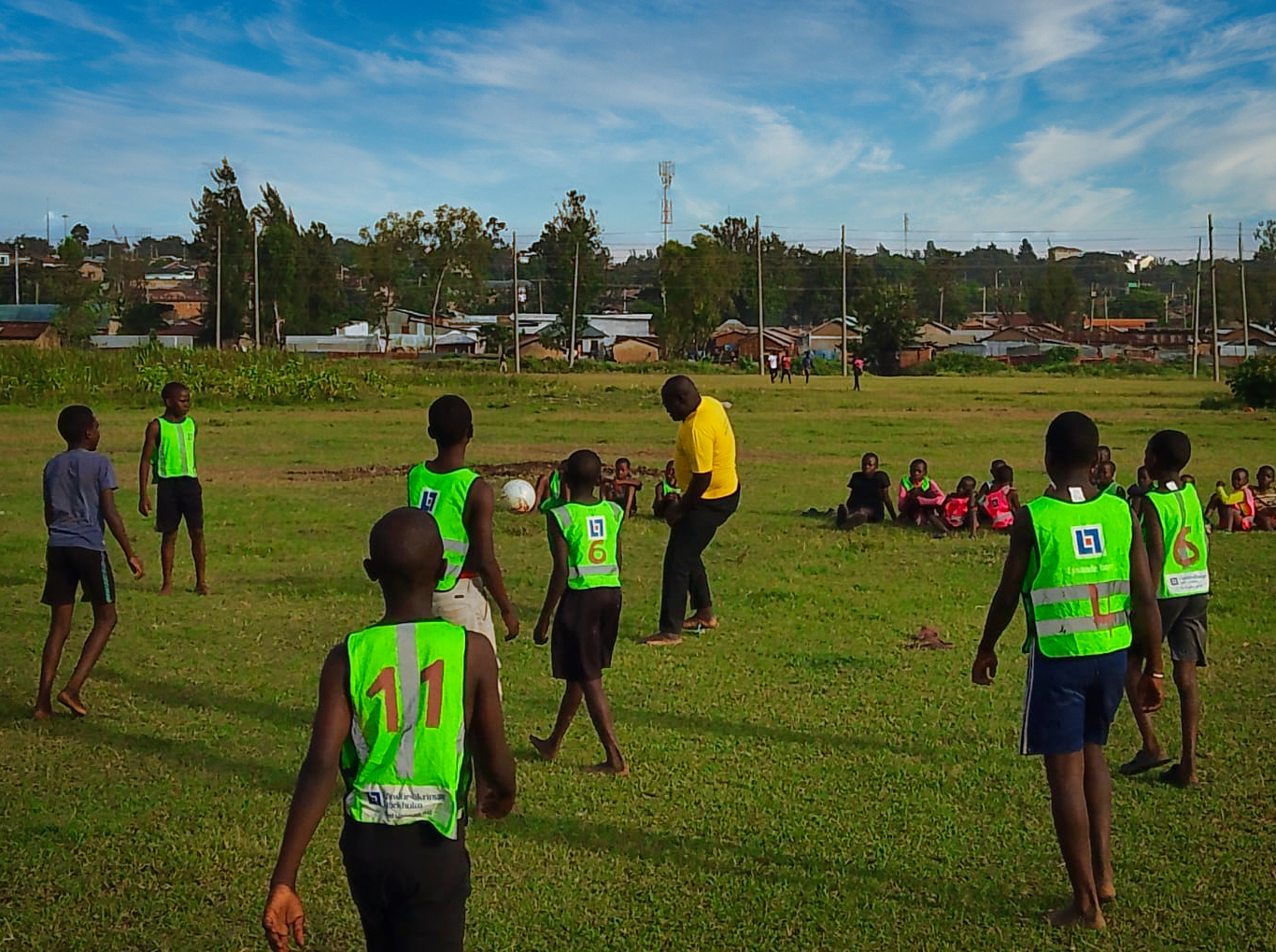 For example, WiRED learned a few weeks ago about a sharp rise in child malnutrition in underserved countries. We acted quickly to create an interactive, evidence-based Child Nutrition module to guide CHWs to help families provide nutritious, safe food with available resources. WiRED will launch the new module later this week.
Promoting nutrition and healthy practices has long been a CHW goal as their monthly testimonials demonstrate in the following August report.
CHW Report for August
WiRED’s CHWs record data on home visits, referrals and follow-ups to help others understand the direct interventions and level of care CHWs provide. The following examples for August highlight the work and value of WiRED CHWs. Note that these reports are the CHWs’ own stories from the field.
Tuberculosis (TB)
 As a CHW I visited a family during a routine household visit. During my visit I met a man who had been experiencing a persistent cough, night sweats and loss of appetite for several weeks. He thought it was just a normal cough and had been delaying going to the health facility. I explained to him that a cough lasting for two weeks or more should be checked at a health facility because it can be a sign of TB. I encouraged him not to fear or feel ashamed and explained that TB can be treated when diagnosed early and the prescribed treatment is completed. I referred him to Kuoyo dispensary for testing. After assessment he was diagnosed with TB and started on treatment. I continued supporting him by reminding him about taking his medication as prescribed and attending his follow-up appointments. I also educated the whole family about TB, including the importance of good ventilation, covering the mouth when coughing and seeking medical care when symptoms develop. This experience taught me that as CHW I need to learn more so that I can teach the community.
—CHW Janet Awino Ochieng
TB
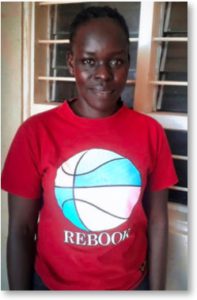 As I was doing my daily health education as a CHW I came across a certain family who had been coughing for the past two weeks, especially the mother. I talked to all of them about the causes of TB, signs and symptoms and preventive measures. After thorough counseling I referred the mother to the nearest health facility for further treatment. One week after the follow-up I found out that the she was diagnosed with TB and was under treatment. I also referred the whole family for TB screening. The mother thanked WiRED and the CHWs for the good services we have been giving to the community members.
All and all, I referred 15 people for TB testing; two of them are under TB treatment and doing well.
—CHW Millicent Randiki
Malaria
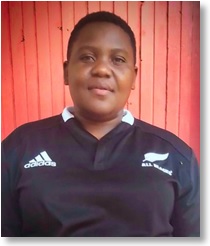 As I was doing my duty as a CHW I came across a woman who showed some signs and symptoms of malaria. I talked with her and referred her to the nearest health facility.
I performed a follow-up after two days and found out that she was diagnosed with malaria and was given medications. She is now doing well and is very grateful. She appreciates WiRED CHWs for educating the community members to be aware of the disease at the community level and on how best they can prevent it.
—CHW Mildred Digolo
Malaria
 During the August holiday many people were not feeling well in the community due to heat and dust in our area. As I was making rounds in the community I came across a few mothers that had young children suffering from influenza with high fevers. I took some women and their kids to the nearest health facility, and three of them were diagnosed with malaria and got treated. I performed follow-up visits to make sure everyone was fine. They appreciated the WiRED organization for their cooperation and the health information that we CHWs give them.
—CHW Carren Osomo
Malaria, TB, Sanitation and Diarrhea
 During August I addressed various health issues within the community through home visits, health education, follow-up and referrals. The main health issues addressed included:
- Malaria: Educated community members on prevention, encouraged the use of mosquito nets, identified suspected cases and referred clients to the health facility for testing and treatment.
- Tuberculosis and respiratory infections: Identified clients with cough, fever and breathing difficulties and advised them to seek medical attention when necessary.
- Diarrheal diseases: Provided education on safe drinking water, handwashing, food hygiene and the use of oral rehydration solution (ORS), while referring severe cases.
- Sanitation and hygiene: Educated households on proper waste disposal, use of clean water, latrine use and regular handwashing.
- Clients with serious symptoms or conditions beyond my level of care I referred to the appropriate health facility. I also conducted follow-up visits to check on referred clients, encourage treatment adherence and provide continued health education and support.
The activities helped improve community awareness of common health problems, encouraged early health-seeking behavior, promoted disease prevention and strengthened the link between households and health facilities.
—CHW Denis Onyango
Environmental Cleanliness/Personal Hygiene
 In the unplanned settlements environmental cleanliness and personal hygiene go a long way in improving the lives of the community members as they are key in disease prevention and control. In the month of August, we CHWs reached a total of 250 members of the community, 80% being women, with information on proper handwashing with soap and clean water. After the cleanliness and hygiene discussions we researched that 50 households had opened up trenches and drained away stagnant water to prevent mosquito breeding spaces, cleared bushes and placed garbage in a central place to be collected by county government. Children and even the general members looked well kept, nails and hair cut short. Further, cases of diarrhea were minimized.
—CHW Joseph Ochieng
Postpartum Depression
I knew a woman who had given birth by cesarian section because of difficulties during her pregnancy. After three months she started having headaches continuously, feeling stress and losing her appetite. She produced little milk to the point where she could not breastfeed the child. The cry of the hungry baby worsened, so that the neighbors intervened and reached out to me for help. I referred the woman to the hospital where she was given guidance and counseling. Now she is doing well with the baby. She stated that her husband leaves her at home without any food. The husband was summoned and talked to and so he is taking care of the woman under the sharp watch of the neighbors.
—CHW Tracy Agatha Achieng
Measles
 During my routine field activities as a CHW I conducted community health education sessions focusing on measles prevention among children. My main aim was to increase awareness among parents, caregivers and community members about the causes, signs and symptoms, prevention and the importance of timely vaccination against measles. I taught the community members that measles is a highly contagious viral disease that spreads through coughing, sneezing and close contact with an infected person. To the caregivers I advised them on how to recognize early warning signs, including high fever, persistent cough, runny nose, red watery eyes and a rash that starts on the face before spreading to the rest of the body. I told them to seek immediate medical attention whenever a child develops these symptoms. I also emphasized the importance of routine childhood immunization and encouraged parents to ensure that all eligible children receive the measles vaccine. I also promoted good hygiene practices, proper nutrition and early action to reduce complications associated with measles.
 The community members actively participated by asking questions and sharing their experiences regarding childhood illnesses. The education session helped the attendees’ understanding of measles prevention and strengthened their commitment to protecting children through immunization and prompt referral of suspected cases to the nearest health facility. They were very thankful for the rich knowledge on health education that WiRED has given us.
I referred six women who had children with symptoms of measles to the Obunga dispensary. As a result, four children were diagnosed with measles and were put into treatment. Upon following up later I found out that they were much improved.
—CHW Daniel Ayieko
Child Growth and Development
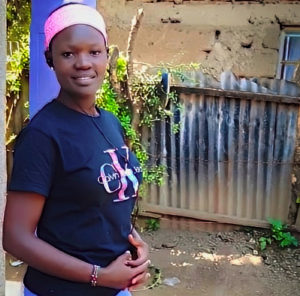 When I was teaching a group session on child growth development, I came across a young mother who was breast feeding. She had a problem feeding her baby: her breasts developed cracks, so as the baby breastfed, the mother felt pain and also sometimes blood used to come out of her breasts. I advised her that it is not good to breastfeed under those conditions. I suspected that she had a bacterial infection, so I took her to Lumumba hospital where she got treated for the infection. I followed up and found out that she is responding positively.
—CHW Liz Adhiambo
Mental Health/Malaria
 During this month I came across a certain group of youths who had just graduated from the university and now felt pressure to secure a job for themselves. They had been job hunting but had not found any work. They were very stressed. They had thought that after graduation they would just go straight to work. I talked to them about the benefits of good mental health because their anxiety of not finding a job was making some of them to be depressed. After our group session they were very happy and agreed to work on themselves first so that they could do the job hunting while healthy.
Also, I managed to refer three people for malaria testing at the Obunga dispensary where they were all diagnosed with malaria and given medications.
—CHW Bunnyce Atieno
Obesity
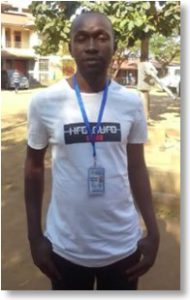 Obesity is a health condition resulting from poor eating habits. This is mainly caused by eating junk food regularly. The body becomes overweight due to poor diet. Unhealthy eating without proper exercise leads to obesity. Most people here believe that by eating to excess means that you are healthy. During this month, we urged our community members to be aware of the connection between obesity and high blood pressure.
—CHW Zackary Omondi
Menstrual Hygiene
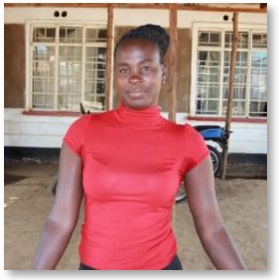 During my fieldwork in my community I had a chance to discuss menstrual hygiene with my community members. In a group session we talked about hygiene during menses. During our discussion some men complained of bad odor from their wives during their menses. Hygienically, women should take baths every day during their menses and change their pads once they’re full. I also talked about proper disposal of their used pads. Most of them told me that they throw them inside a pit latrine or burn them. Burning is not advisable because during burning smoke gets into the lungs and can cause problems to the lungs. I advised the women to collect the pads separately from other wastes and give them to waste collectors who will take them to where they will be burnt in a proper way.
After the lesson I made visits to my client’s homes to check on how they were going about it. Most of them were following my instructions exactly as I taught them.
—CHW Mary Atieno Ogutu
Water, Sanitation and Hygiene/Malnutrition
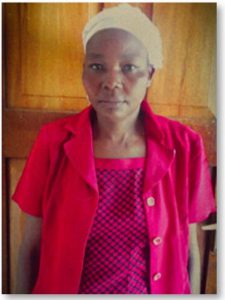 As I was working in the community educating the members about health issues, I came across a woman who never knew that water, sanitation and hygiene affect health issues. When we lack water we are prone to so many diseases and when water comes in form of flooding we are exposed to a lot of diseases. I explained about the importance of good toilet sanitation and healthy hygiene practices to protect our bodies from diseases, especially proper handwashing. The woman was happy and thankful and offered to follow this advice and learn more.
Most children used to suffer more from malnutrition, but now the CHWs are going around regularly to households and telling the families about healthy diet practices and use of the locally available foods and fruits. As a CHW, I informed them about the 10 food groups whereby a child is supposed to eat 4/7 while an adult is supposed to eat 5/10 food groups and an expectant mother has to eat from more food groups in order to support her and her unborn child.
The other component that is very healthy for everyone is water.
—CHW Milka Aoko Nyadiang’a
High Blood Pressure
 During this month I came across a certain family in Nyawitta that was undergoing a difficult time after losing their child. The mother was pregnant and was going for her antenatal as usual without missing any appointment, but in the eighth month she developed pre-eclampsia/high blood pressure. This condition ended up claiming the life of the little one; luckily the mother survived.
I educated the family about high blood pressure and its causes. Causes included stress, anxiety, dehydration and the fear of unknown outcomes during delivery. The family understood everything and were happy for the knowledge. I also referred six of them for further counseling because they were still mourning the child. After some days I did a follow-up and found them safe and sound. They were happy to see me and really grateful for getting the knowledge about high blood pressure.
—CHW Lency Mmbone
Headache
 Many people in our locality have a tendency of buying drugs over the counter. Little do they know but they were abusing drugs. I met a middle aged man who was suffering from headache. He told me that he bought over the counter drugs but the pain is still there. I advised him to visit a nearby health facility, which he did. He was treated and now is doing well.
—CHW Imelda Anyango
A Variety of Health Issues
 Last month, as a CHW, I addressed several health issues in the community. These included malaria prevention and referral of suspected cases, respiratory infections, cholera, HIV/AIDS awareness, sanitation and hand hygiene, and non-communicable diseases such as cancer and diabetes. I also conducted health education, encouraged early health-seeking behavior and followed up on patients. I also promoted proper hygiene, and referred community members with serious health conditions to the appropriate health facilities.
—CHW Owen Otieno
