
By Allison Kozicharow; Edited by Elizabeth Fine
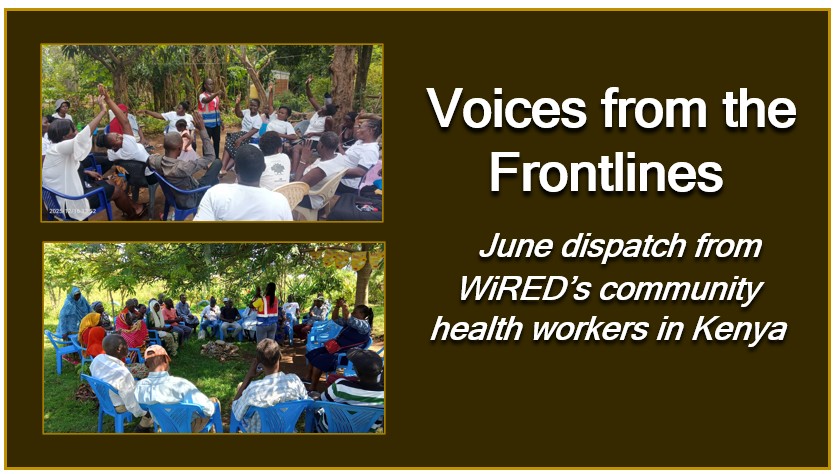
 Each month WiRED International posts the monthly community health worker (CHW) report from Kisumu, Kenya.
Our stories contain statistics, but it is the CHW testimonials that spotlight their remarkable work and the impact they have on their communities — despite shortage of vaccines and medicines due to the 2025 global aid cuts from the Trump administration.
Here is one story of one CHW’s monthly experience.
We encourage you to read all the testimonials below, which illustrate and humanize CHW work as no statistic can.
CHW Outcomes for June
WiRED’s CHWs record data on home visits, referrals and follow-ups to help others understand the direct interventions and level of care CHWs provide. The following examples of outcomes for June highlight the work and value of WiRED CHWs. Note that these reports are the CHWs’ own personal stories from the field.
Malaria
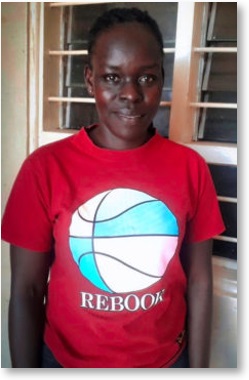 As I was giving health education to my community members, I came across a certain young man who looked ill. He complained of headache, fever, muscle pain and lack of appetite. I called him aside and educated him on the signs and symptoms of malaria, causes of malaria and on the preventive measures. After that, I referred him to the nearest health facility for further treatment/tests. After three days of follow-ups I found out that the man was diagnosed with malaria and was put on malaria drugs. Now he doing well, thanks to WiRED International.
Also in the month of June I referred 15 clients to Airport health center for malaria testing and out of the 15 clients I referred, five clients were diagnosed with malaria and put on malaria drugs. Now they are also doing well.
—CHW Millicent Randiki
HIV/AIDS
 One day a few months ago during my household visits I met a young mother named Mary. She had been feeling unwell for a long time, but was afraid to visit a health facility because she feared being judged. I spoke with Mary about the importance of knowing her HIV status and assured her that HIV testing is confidential and free at many health facilities. After our discussion, she agreed to get tested. The test showed that she was HIV positive.
At first Mary was scared and worried about her future and that of her children. I encouraged her to visit a nearby clinic where she received counseling and started antiretroviral therapy. Over the following months, I continued to visit and support her. Mary takes her medication every day as prescribed and attends all her clinic appointments. Her health improved greatly and she became strong enough to care for her family and return to her daily activities. Mary later became an advocate in her community, encouraging others to get tested and seek treatment early. Her strength helped reduce stigma and increase awareness about HIV prevention and treatment.
—CHW Janet Awino Ochieng
Mental Illness and Mental Health
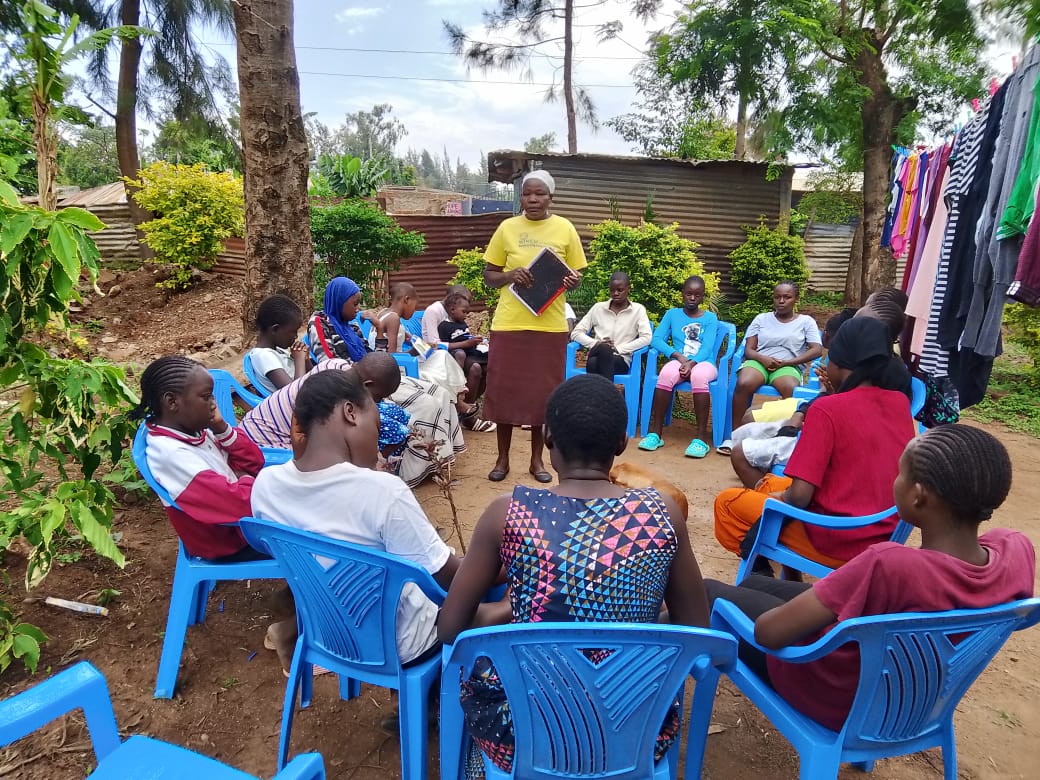
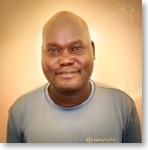 Mental health is an essential part of overall health and well-being. During this month I provided education to help the members of my community increase awareness about mental health, reduce stigma, encourage early identification of mental health conditions and promote access to the available healthcare services.
In this session, I was also aiming to increase knowledge about mental health, explain to the participants the common mental health disorders, reduce myths surrounding mental illness and promote community support for people experiencing mental health challenges. I further gave the people the definition of mental health, the importance of mental well-being and shared some common mental health conditions such as depression, anxiety, stress-related disorders, substance use disorders and psychosis.
 In addition, I also took them through signs and symptoms such as loss of interest in daily activities, persistent sadness, difficulty in sleeping and withdrawal from family and friends. The participants actively responded by asking questions about depression, stress and substance abuse. I gave them practical preventive measures such as seeking help early, talking to trusted people, doing physical exercise, making sure to have adequate sleep and avoiding substance abuse, which is very common in the slums, and making sure that they take part in community activities.
At the tail end of the session the participants were very happy with me based on the information I gave them about mental health and also with WiRED International, which has trained us to help them. My participants understood that mental health illness is a health condition and not a curse and vowed to assist me to increase awareness of available mental health services.
I managed to refer 10 people who were complaining of difficulty in sleeping, excessive worry, thoughts of self-harm/suicide and loss of interest in daily activities to Amani counseling and K‑Met for further assessment. Upon following up I found out that six people were undergoing serious mental illness. They received counseling and were allowed to go home, and now they are showing improvements and are still continuing with the counseling.
—CHW Daniel Ayieko
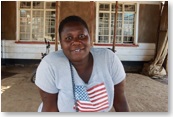 During this month, I visited a certain group that usually meets at Nyawita market. I had talked to their leader and he allowed me to come and teach them. We talked about mental health which is a major problem to us now. We defined mental health as meaning emotional, psychological and social wellbeing. It affects how we think, feel and act and also helps determine how we handle challenges, relate to others and make choices. We also talked about causes of stress. The participants said stress is a normal part of life where the body reacts to any change that requires change or a response. They also mentioned what causes stress like rejection, worrying about things, unrealistic expectations and sudden change in personal thoughts or environment. They were very happy to learn and discuss and they invited me back again.
During this month, I managed to refer five people to JOOTRH facility for mental health issues. They were stressed and need further counselling, and they received all the services and were happy.
—CHW Bunnyce Atieno
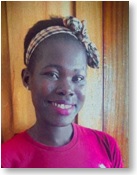 This month I visited many households and held health talks on mental health. Many people have challenges in their homes but can’t share their problems. This is due to stigmatization knowing that when they share issues that that will be the topic of the day. We discussed mental health and encouraged them to find someone close to tell what is going on and help find a solution. This is because mental health can lead to depression and death. We CHWs are urging parents to be open and try to sit down with their children, especially adolescents, to tell them not to get involved with drugs, which can lead to mental health and abuse.
We CHWs stress that poor mental health is very serious and can lead to a life and death situation. We tell everyone that if you know someone who is going through a difficult time, please give them support in discussing the challenges so that they don’t feel alone.
—CHW Carren Osomo
Personal Hygiene
 As a CHW, I spoke to our community members about personal hygiene, which is a daily routine of keeping your body clean and healthy. I informed them that keeping their body clean is essential in prevention of certain illnesses. Such illnesses include skin infections, stomach bugs and dental issues as well as body odor.
I referred one individual to the nearby dispensary. The patient exhibited bad odor emanating from his armpit. He was diagnosed and found that he had a bacterial infection. He received anti-bacterial medication treatment.
—CHW Zackary Omondi
Peptic Ulcers

I met a student who was unwell, experiencing headache, cold and stomachache. Her mother assumed that the daughter had malaria and bought her painkillers, which helped. But the daughter’s symptoms reoccurred and she started feeling weakness, having joint pains and vomiting after taking any food. When I referred her to Kuoyo dispensary she underwent several tests and was diagnosed with peptic ulcers. The girl is still under medication.
—CHW Tracy Agatha Achieng’
Deworming in Children
 Deworming in children helps treat and prevent intestinal worm infections that can affect growth, nutrition, learning and energy levels. These infections are more common where sanitation or hand hygiene is limited.
During a health talk with my clients, I came across some children with signs and symptoms of worms such as stomach pain or bloating, poor appetite, weight loss, diarrhea, itching around the anus. Out of five children whom I referred to Kuoyo health center, three of them were found to need deworming. They were given deworming medicines and now they are responding positively.
—CHW Liz Adhiambo
Communicable Diseases
 Due to the recent outbreak in Central Africa concerning Ebola, which is a communicable disease that can spread easily, it is my role as a CHW to create awareness about communicable diseases. I walked door to door to educate my community on preventive measures against communicable disease such as good hygiene, up-to-date vaccinations, preparing safe food, making water clean, washing hands regularly with soap and clean water and seeking timely medical care.
CHWs ensure that people in my locality practice these preventive measures.
—CHW Imelda Anyango
Child Abuse
 Child abuse subjects children to physical, emotional and/or psychological conditions that violate their rights. While on duty I met a young boy who was selling oranges. I talked to him and he told me that he was staying with his stepmother, who didn’t allow him to go to school because his father was also drinking too much and had no time with the family. After a lengthy talk I took the boy to the area chief and told him about the boy. Thanks to the chief, who took the matter seriously and escorted the boy to school with the help of the community. The boy is now enrolled at Kirembe primary in grade two and he is very happy to be with others in school.
—CHW Mildred Digolo
Menstrual Hygiene Management
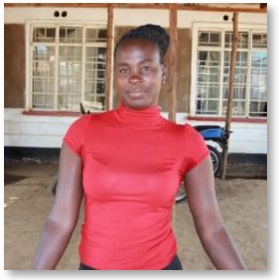 Menstrual hygiene management is one of the major health concerns in my community mostly because the girls cannot afford the sanitary towels. During my fieldwork in my community I taught a session about menstrual hygiene. I came across a young girl who was on her period at the moment, and it was clear that she never used any material to stop the period from spotting her dress. After the group discussed the different materials that can be used apart from the ones that can be bought, she opened up to me. I explained to her how she could use a clean piece of cloth and place it underneath her pants to contain the blood. The young woman also had severe cramps and headache during her menses. Since it was very severe I referred her to the nearest hospital where she was given some medications and remedies to stop the severity.
—CHW Mary Atieno Ogutu
Tuberculosis (TB)
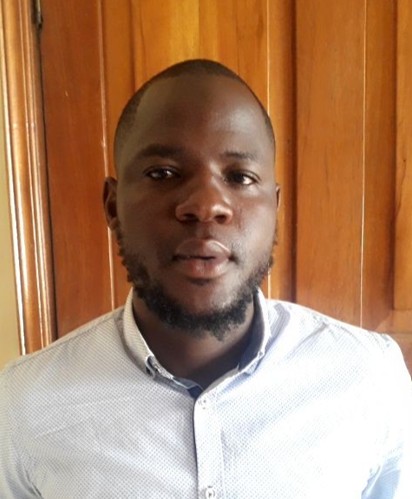 As I was doing my daily routine as a CHW in the community I met a client who complained of a persistent cough lasting more than two weeks, night sweats and weight loss. After I screened her for TB I took her to Jaramogi Oginga Odinga Teaching and Referral Hospital for further examinations. Afterwards the patient was sent to get an x-ray, and a sputum test was also done. After a few days the results confirmed that she was TB positive. The patient was shocked; she could not comprehend how she contracted TB. She was given medicines, and then sent home, but after a week she returned to the hospital because she was not getting any better. She was taken to a psychological therapist who explained to her that TB is airborne, and it can affect anyone of us anywhere and that she had to go to the nearest TB facility directly to start the treatment. She was at first scared when she found out that her treatment seemed to be long. But she completed all her treatment and recovered and was able to go back to work.
—CHW Vincent Omondi
Handwashing/TB
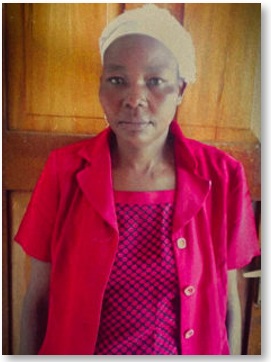 As I was going around in the community educating people about hygiene, I came across a lady who did not know that handwashing is a critical issue and that there are steps to follow when washing hands. I informed her that there are five critical times for handwashing: before handling food, after changing a baby’s diapers, after visiting the toilet, after touching a sick person and before eating. The woman was very happy and she thanked WiRED International for providing such knowledge to the community members.
 Most people get infected with TB but are not aware until they are diagnosed in the health facility. Since we CHWs are now moving from one household to the other, TB is now being detected at an early age and this helps in controlling the spread at the community level. When a person is TB-positive the CHWs are instructed to perform follow-ups and monitor the patients’ drug adherence; thus recovery is more possible.
—CHW Milka Aoko Nyadiang’a
Stress
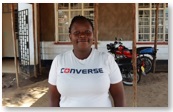 During this month, I came across a certain family who was undergoing stress. Their daughter was sent home for non-payment of school fees a few weeks ago. The parents couldn’t afford to pay the fees. I counseled them and assured them that we are all in the same boat and we will manage eventually. The mother was so stressed that I had to refer her to Nyawita clinic for further counseling. After a few days, I did follow-up and found that the family had started the healing process and they were very happy.
During June I managed to refer eight people for counseling at Nyawita clinic and they received the services they needed.
—CHW Lency Mmbone
