
By Allison Kozicharow; Edited by Elizabeth Fine
 Last April’s WiRED International community health worker (CHW) report predated the Ebola outbreak in Uganda and the Democratic Republic of Congo (DRC). Even though neighboring Kenya has not experienced a single reported case of Ebola yet, the #1 health concern noted by WiRED CHWs in Kisumu, Kenya, this May was Ebola.
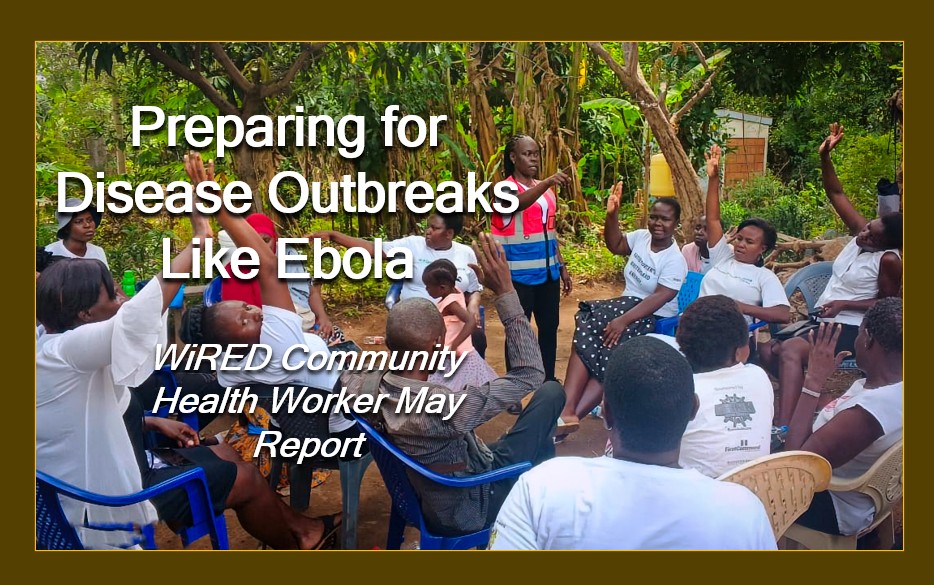
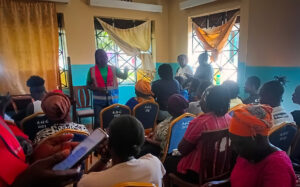
WiRED CHWs are preparing their communities NOW for a potential outbreak of this highly infectious illness through teaching behavioral prevention and disease control. Last month WiRED CHWs reached more than 10,000 people about health issues, spotlighting Ebola.
 To ready our CHWs, WiRED rapidly released a complete package of updated and expanded Ebola training modules available instantly by smartphone to our CHWs and CHWs worldwide. WiRED also inaugurated a system of alerts sent to CHWs so that they have immediate access to the latest information about Ebola (or any disease threat).
WiRED’s Ebola module series contains courses for everyone without charge and easily downloadable. The modules consist of:
- Ebola: Infection Prevention and Control for Healthcare Workers in Community and Health Care Settings
 Ebola: General Audiences
- Ebola: Students & Families
- Ebola: WHO Guidelines for Burial Protocols for the Burial Management Team
- Outbreak Preparedness and Emergency Response
- Infectious Diseases Basics (animation).
Sadly, Uganda and the DRC experienced a fatal delay in getting information out about the Ebola outbreak. The Trump administration’s decision to eliminate USAID and other global health aid played a part in this failure to detect the spread of Ebola.
During public health crises, such as the Bundibugyo Ebola outbreak, severe international aid cuts and the dismantling of primary surveillance networks left frontline health systems critically under-resourced. As a result, the initial chains of viral transmission went completely undetected for weeks, causing hundreds of infected individuals to go undiagnosed while the disease silently crossed regional borders (Sources: Physicians for Human Rights and The Guardian).
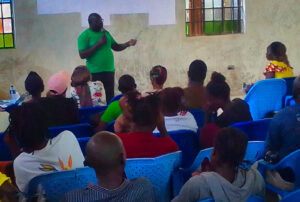 As many of these surveillance systems remain shut down, CHWs’ frontline capacity to spot early warning signs is a community’s primary shield. That is troubling, however, because actually spotting signs of Ebola suggests the virus is spreading. That argues strongly for Ebola prevention measures to prepare communities in advance of the virus. Thus, WiRED’s CHW Ebola training at this point is vital to communities potentially in the path of this disease.
WiRED continues our collaboration with CHWs and we will provide updates in the coming days regarding CHW/WiRED efforts to keep Ebola at bay.
CHW Outcomes for May
WiRED’s CHWs record data on home visits, referrals and follow-ups to help others understand the direct interventions and level of care CHWs provide. The following examples of outcomes for May highlight the work and value of WiRED CHWs. Note that these reports are the CHWs’ own personal stories from the field.
Ebola
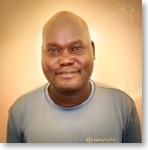 During May, there has been some public concern and discussions about Ebola in Obunga within the Kisumu County because the county has been listed among the Kenyan countries under heightened Ebola surveillance. This is due to regional outbreaks in the neighboring countries of Uganda and the DRC, though there have been no confirmed Ebola cases in Kisumu according to the ministry of health. Kisumu is considered a high-risk county due to its being a major transport and commercial hub with significant movement of people across the region. As a CHW, I took my community members through understanding how Ebola spreads, screening methods that are available and the testing. I also shared with them the symptoms of Ebola such as sudden fever, severe headache, muscle pain, weakness, vomiting and diarrhea and severe bleeding. Now if they come across anyone who develops these symptoms after travel to an affected area or have contact with a suspected case, I tell them to contact medical authorities.
—CHW Daniel Ayieko
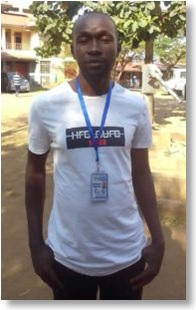 Ebola cases have been reported in Kenya’s neighboring countries of Uganda and the DRC and have caused panic in Africa and all over the world. Kisumu is one of the border towns that has been on the lookout to try and stop the possible threat and spread of Ebola. Ebola is a disease that has no cure but can only be prevented and treated through supportive care. As CHWs, we have been on the forefront to educate our community members on how to stay safe from this deadly virus.
Also, I referred a girl aged 19 years to our weekly clinic last Friday. The girl has been sick on and off. She was tested, and she turned out to be pregnant. She also had fever and pneumonia signs. She was given treatment and is now doing much better.
—CHW Zackary Omondi
Malaria
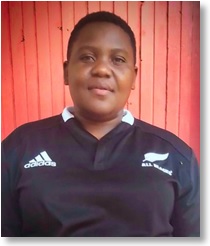 I met a lady who had a sick child suffering from malaria. Due to their religious beliefs, they did not go to the hospital. After a long and lengthy talk she agreed and I accompanied the mother and child to Kochieng dispensary where the child was treated for malaria. After the treatment, the child is doing well and is still on medication. I am following up on the child’s condition.
—CHW Mildred Digolo
I managed to refer six people who were complaining of high fever, headache and dry cough to the Obunga dispensary for further assessment. Upon doing a follow-up, I found out that four of them were diagnosed with malaria. They got treated and were allowed to go home. They are showing improvements from the drugs they were given.
—CHW Daniel Ayieko
HIV/AIDS
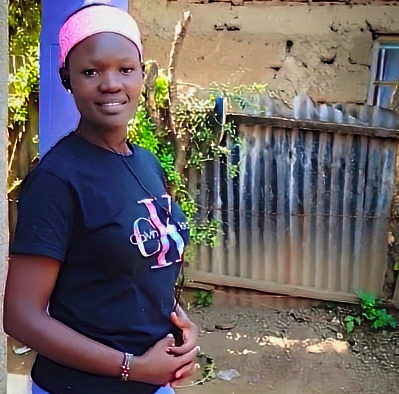 Many youths are going through a lot of challenges in the community and must be taught about HIV/AIDS. In a group class, we discussed some of the signs and symptoms — and prevention methods of HIV/AIDS to avoid stigmatization. I asked them to avoid sexual intercourse, but if not then use protection. The best prevention is to abstain until the right time comes. Peer pressure has been luring our girls to this act. I also urged them to go for checkups after every three months to know their status. During outreach, one of the clients turned positive. I referred the client to Pandipieri health center and now the patient is under treatment.
—CHW Liz Adhiambo
Injuries and Wounds
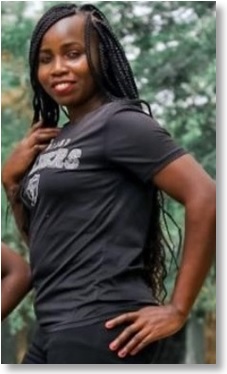
I saw a woman who had been injured on the leg by metal as she was walking. She assumed that it was not something to worry about. After one week the leg started swelling, and when I asked her if she had gone to the Kuoyo dispensary for a tetanus shot she said she had not. I advised her to go to the hospital immediately because the leg had been infected. She was given a tetanus injection. She is still on medication.
—CHW Tracy Agatha Achieng’
Gender-Based Violence (GBV)
 I came across a group of female students at Nyawita, who were studying at KMTC. They had challenges in their relationships, and their partners were beating them. They claimed that it was love not knowing that it was GBV. I said they needed to report it or go to tell the area leaders about it. I had to teach them about GBV: I told them nobody should beat you or assault you because silence has led to many deaths that could be avoided and that there are many types of GBV, physical, emotional and many others. They were very happy to be informed. During our discussion their partners arrived and we learned together. They promised to live in peace henceforth. I referred five of the GBV-affected people to Nyawita dispensary for counseling where they received the services and were satisfied.
—CHW Bunnyce Atieno
Chronic Illness
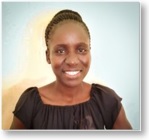 During my day-to-day CHW duty in the field I met a middle-aged woman who was suffering from chronic illness. I wanted to know what was ailing her and she responded that it is witchcraft. I asked her to show me in her body where the problem was. She showed me her breast that was swelling. I told her to visit the JOOTRH health facility and, after a long conversation, she agreed. She was diagnosed with breast cancer and luckily she is on medication and doing well. She is so grateful.
—CHW Imelda Anyango
Ovarian Cysts
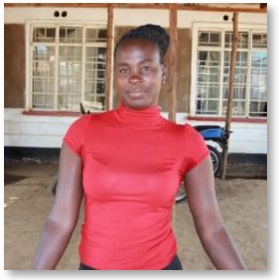 While undergoing my fieldwork in Obunga community, during one of my sessions there was this woman who complained so much about the signs and symptoms I was talking about on the topic of ovarian cysts. This health condition affects women so much, and even blocks the uterus so one cannot even carry a pregnancy. She told me that she has lost three pregnancies and cannot even carry the pregnancy past two months. Since she never knew the condition she was suffering from, I quickly referred her to a hospital where she was diagnosed with ovarian cysts and that she had reached a late stage. After being diagnosed, she was given proper medication and continuous clinic visits. So far she is going to clinics for checkups.
—CHW Mary Atieno Ogutu
Pneumonia
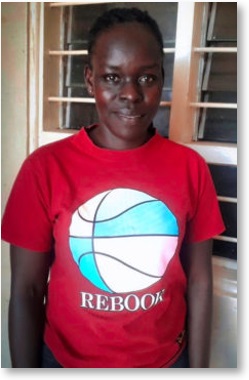 In the month of May when I was doing community health education, I came across a woman really suffering from chest pain. I talked to her and counseled her on the signs and symptoms of tuberculosis and pneumonia since these diseases do have similar signs and symptoms. After I advised her, I referred her to the nearest health center, which was Airport health center. After a three-day follow-up I found out that she had been diagnosed with pneumonia. She was treated and is now doing fine. This month I also referred 10 clients for pneumonia screening and out of the 10 clients three were diagnosed with pneumonia. They were put on medication and are now doing well.
—CHW Millicent Randiki
Measles; High Blood Pressure
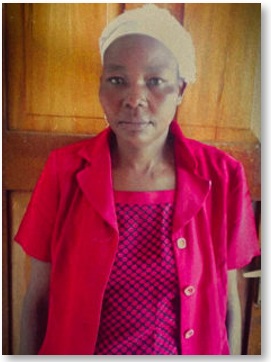 As I was going around in the community, educating people about health issues, I came across a mother who had a female child with rashes all over her body. The mother told me that the rashes do go and come back again after a short period. She was applying a certain gel on the skin of the girl but without success. I referred her to the health center for more diagnosis and the results was that the girl had measles that had not properly been treated for a very long time. The girl was treated and is now doing well. The mother is now happy and is thankful for the program.
Also, high blood pressure is a disease that has long afflicted so many people in the community. But now that the CHWs walk door to door doing household visits, that has made it easier for the community members because we CHWs can measure blood pressure in the households early enough to detect high blood pressure. When a person is put on high blood pressure drugs immediately, the high risks of death are decreased and bed-ridden cases are reduced.
—CHW Milka Aoko Nyadiang’a
Teenage Pregnancy
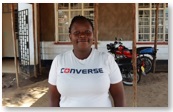 During this month, I came across a certain family who were struggling with a teenager who was pregnant and refused to start her antenatal program. As a CHW, I explained to them the benefits of her starting her antenatal regimen and following through with it. I told them visiting the hospital while pregnant is good because you get to know your baby’s well-being and also your own health. You also get to know your HIV status so that you don’t risk infecting your baby. You also get your blood level pressure checked and you get tested for diabetes. The family were very happy to know the benefits and the girl agreed to start her antenatal program.
I managed to refer six people to the Migosi dispensary for malaria testing; they tested positive and were given medications.
—CHW Lency Mmbone
Menstruation Hygiene
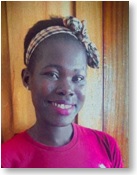 I visited some schools in the area where I am working to present education on menstrual hygiene. Many young girls didn’t know how to use the types of menstruation materials such as tampons. I showed them the types of menstrual materials and when and how they should be used. They also learned how to dispose the used ones by burning or burying them to avoid poor sanitation in the environment. I ended giving out some packs to the school because this shows the young girls and teachers all the good work we are doing to the community.
—CHW Carren Osomo
Sanitation and Immunization
 I visited a family in the community after hearing that their children were frequently sick. When I arrived, I noticed they were drinking unsafe water from a nearby river and rarely washed their hands before eating. I educated the family on the importance of boiling drinking water, proper hand washing and keeping their environment clean. I also helped the mother understand the importance of immunization and regular clinic visits for the children. After a few weeks, I revisited the home and found that the children were healthier, and the family had started practicing better hygiene. This experience taught me that education can greatly improve the well-being of a community when people are given proper support and information.
—CHW Janet Awino Ochieng
