
By Allison Kozicharow; Edited by Elizabeth Fine
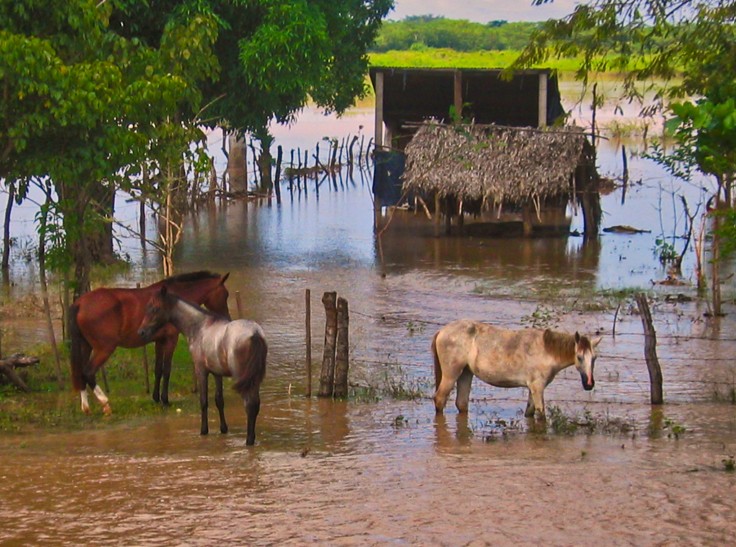
Extreme weather is increasing in severity and frequency due to climate change. Wildfires across Europe dominate the headlines, where the number of fires this summer rose 57% in four years. In the United States, record-shattering heat waves and drought devastated the Southwest and West, alongside heavy tropical humidity, flash flooding and severe thunderstorms gripping the East Coast. Early in the year, the World Health Organization (WHO) declared climate change to be a worldwide health crisis. Part of the WHO-led climate action plan is to promote the concept of One Health.
 What is One Health?
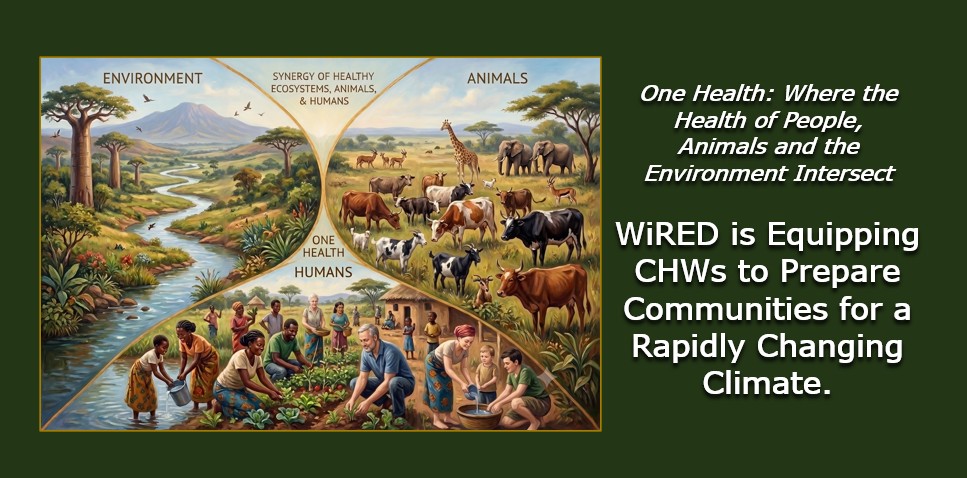
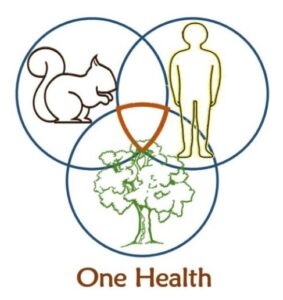
One Health recognizes the intrinsic link between human, animal and environmental health. Climate change has intensified global health stressors resulting in mass migration and food insecurity, the proliferation of zoonotic diseases and severe environmental degradation. This assault calls for integrated health strategies to address emerging crises across every continent. Underserved communities are disproportionately affected, yet they often lack educational resources needed to address these risks or prepare frontline workers for an effective response.
WiRED’s One Health Curriculum
In response, WiRED created a One Health Curriculum to train our community health workers (CHWs) about how climate change simultaneously impacts environmental, animal and human health. This interconnectedness is best described through the One Health framework, which guides our approach and informs the training we provide.
- One Health Series Introduction
- One Health and Humans, part 1
- One Health and Humans, part 2
- Animal Health, part 1
- Animal Health, part 2
- Environment
- Teaching One Health Concepts to the Community
What does the One Health series seek to accomplish? The program equips CHWs, often the first and only point of care in low-resource regions, with skills to identify emerging health threats across human, animal and environmental domains. For instance, when CHWs walk into a community, they are trained to look at the health of farm and domestic animals and environmental conditions such as water and food supplies and sanitation facilities. Problems with any of these community components can spell health problems for the others.
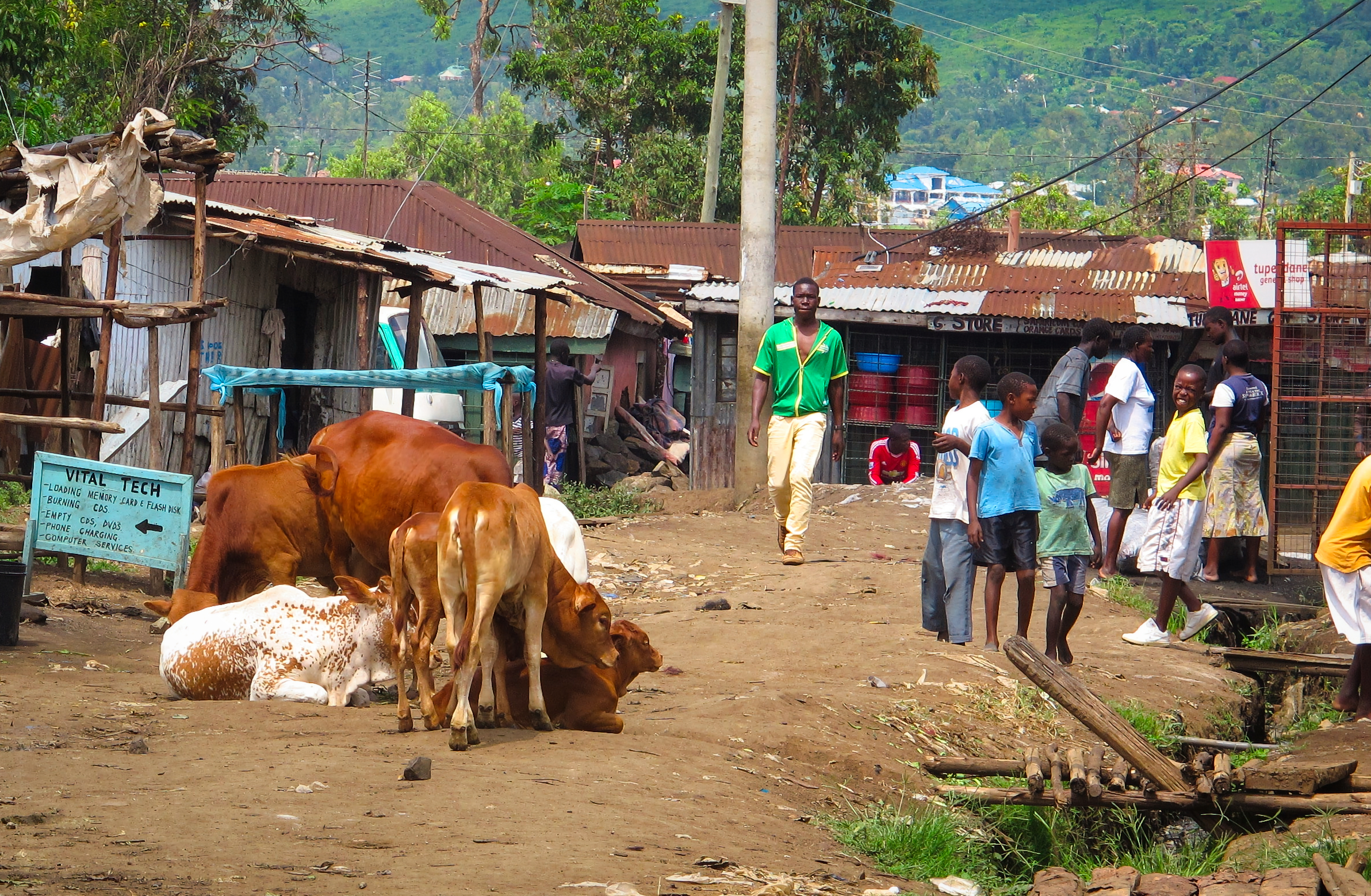 The curriculum strengthens frontline surveillance, builds climate-conscious communities, expands preventive capacity, leverages a community-based workforce and ensures sustainability through continuous learning.
WiRED recognizes the critical role CHWs can play in teaching disease prevention measures and helping underserved communities prepare for emerging health risks — especially as global health resources have been severely cut, leading to fragile health structures.
