
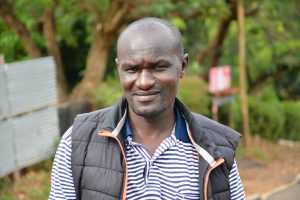
“My name is Denis Onyango. I am a single father, and I live in Obunga, here in Kisumu. Life in the informal settlements is not easy, but every day I wake up with one thing in my heart: to give my four children a better future than the life I have known.
In Obunga, life moves quickly and closely. Homes are built side by side, and privacy is a luxury few can afford. The paths are narrow, the noise is constant and children grow up seeing everything, both the good and the difficult. There is resilience here, yes, but there are also many challenges. It is easy for a child to lose direction when they are surrounded by so many competing influences. As a father, this is something I think about every day.
Being both a mother and a father to my children has shaped me in ways I never expected. It is not always easy, but it has made me stronger and more determined. When I look at my children, I don’t just see who they are today: I see who they can become. I want them to sit in classrooms, to learn, to grow and to have opportunities that I never had.
I worry about what they are exposed to when I am not around: the language they hear, the behaviors they might copy and the paths they might be tempted to follow. I want to guide them, to protect them and to give them a different environment where they can focus on their dreams without distraction or fear.
Working with WIRED changed something in my life. The stipend I receive may look small from the outside, but for my family, it has made a very big difference. Because of that support, I have been able to keep all my children in school. Every morning when they leave the house in their uniforms, I feel proud. I feel hopeful. I feel like I am doing something right as a father.
 I have also been working toward another important dream: building a home for my family. I have already constructed the house, but it is not yet complete. Still, when I stand and look at it, I see more than walls. I see stability. I see a future where my children feel safe and secure.
Paying rent every month is a heavy burden, and completing this house will lift that weight from my shoulders. My hope now is to finish it sooner rather than later, so that we can finally move into a place we can truly call our own, away from some of the pressures of this environment, and closer to the kind of life I want for my children.
I am deeply grateful to WIRED and those who support the CHW program. Because of you, I am not just surviving: I am moving forward. You have helped me educate my children and take meaningful steps toward building a stable future for them.
In Obunga, many people are trying their best with very little. I am one of them. But today, I stand with hope, knowing that with continued support, I will complete my home and see my children succeed in school.
That is my dream. And now it feels closer than ever.”
WiRED encourages you to read all the CHWs’ testimonials for July, which illustrate and humanize their work as no statistic can.
CHW Report for July
WiRED’s CHWs record data on home visits, referrals and follow-ups to help others understand the direct interventions and level of care CHWs provide. The following examples for July highlight the work and value of WiRED CHWs. Note that these reports are the CHWs’ own stories from the field.
HIV/AIDS and Pregnancy
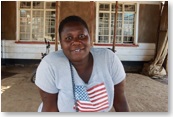 When an HIV-positive woman gives birth, that baby needs to receive prophylaxis treatment. Yet some HIV-positive parents don’t know they are putting the baby at risk of contracting the disease. I met a young woman in the field who had just given birth. The mother took the baby’s medication home, but didn’t give any to her child for two months. The woman opened up to me, and although I had advised her on the use of the medication and importance, she agreed to go to a doctor to reenforce the treatment for her baby. I also referred four pregnant women with persistent headaches to the clinic. They are still under care because the headaches are milder though not fully gone yet.
—CHW Bunnyce Atieno
Malaria
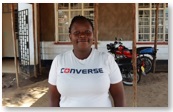 Malaria can be recurrent most often in young children. In the field I taught a group of mothers on the proper management of malaria and how to prevent it. Most were saying that so long as they have mosquito nets they could not get malaria. They did not know that when you sit the baby outside the net during the day, mosquitoes can still bite. We talked about cleaning ponds and draining water catchment areas as well as using mild insecticides during the day while using treated mosquito nets during the night. The mothers all left the session knowing about prevention management and care for malaria. I referred five mothers to Nyawitta dispensary because their children were showing signs of malaria. Two were diagnosed with malaria, were treated well and are now fine.
—CHW Lency Mmbone
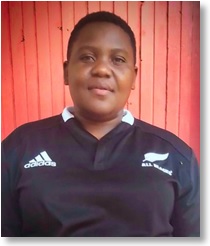 As I was giving a health education class to my community members, I came across a certain young man who looked ill. He complained of headache, fever and muscle pain. I called him aside and educated him on the signs and symptoms of malaria, causes of malaria and preventive measures. After that I referred him to the nearest health facility for further tests and treatment. Four days later when I followed up on him, I found out that the man was diagnosed with malaria and was put on malaria drugs. Now he’s doing well.
—CHW Mildred Digolo
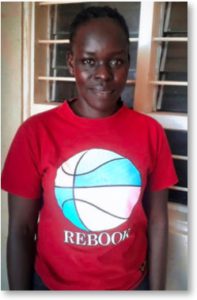 In the month of July as I was doing my duty as usual giving health education to the community members when I came across a woman who exhibited signs and symptoms of malaria. I talked to her and educated her about malaria, including mode of transmission and preventive measures. After that I referred her to the nearest health facility (Airport Health Center). After three days when I was doing some follow-ups, I found out that the woman had been diagnosed with malaria, was put under medication and is now doing well. She thanked the WiRED organization for the continuous support they are giving to the community members.
In the month of July I referred 20 clients to the service care provider for malaria counseling and testing. Out of the 20 clients, seven people were diagnosed with malaria, were put on medication and are now doing well.
—CHW Millicent Randiki
Malaria/Mental Health Problems
Malaria is a disease that has been claiming more lives in Kenya. The people who are mostly affected with malaria are pregnant women, under-age-five children and the elderly. Those groups have low immunity, which puts them at risk of losing their lives unexpectedly. The CHWs walk door to door and teach the community members about preventive measures such as sleeping under treated mosquito nets, cleaning the compound, draining all the stagnant waters, closing the doors and windows early enough and others. As of now, the CHWs are doing testing and performing treatment of malaria. When a person turns malaria positive he/she is given medication according to his/her weight and age. Now, malaria disease is not as big a threat to the community members. They are grateful for the health education and treatment offered to them.
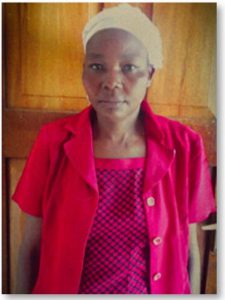
As I was going around in the community, sensitizing the community members about health issues, I came across a man who seemed to be much stressed. When I approached him after educating the group on mental health issues he opened up and narrated his story to me about his marriage going sour. He separated from his wife two years ago and has been going through a lot with his children, whom the mother left behind. He said that he wants to stay alone most of the time and thinks about taking his own life. When I talked with him he agreed to go and see a professional counselor and as of now he is well and takes good care of his children.
—CHW Milka Aoko Nyadiang’a
Malaria/Hypertension
Malaria still remains a major health problem in Kisumu if not Kenya as a whole and that is why it remains a concern to every community health worker. Hypertension, often referred to as a “silent killer,” also increases the risk of threatening community members, but very little has been done. Measures to address the two health concerns largely remains in the hands of the CHWs, so I was determined to act. Malaria prevention and control relies on proper diagnosis, treatment, vector control and vaccination, so I conducted four health education sessions stressing sleeping under treated mosquito nets, eradicating mosquito breeding areas, seeking proper treatment and getting vaccinations. After the sessions we came up with an oversight group where there is always consistent follow-ups to ensure that all the bushes are always cleared, stagnant waters drained and all are sleeping under treated mosquito nets.
High blood pressure used to be referred to as the disease of the rich but currently it is very common amongst all our people. I conducted three sessions on hypertension. I focused on change in lifestyle such as adopting a healthy diet, reducing sodium intake, proper weight management and doing regular exercise. After the sessions I realized that a group has been formed of those who regularly attend a local gymnasium to reduce their weight and also check on their diet as a means of improving the quality of their lives. Community health indeed starts with knowledge.
—CHW Joseph Ochieng
Typhoid
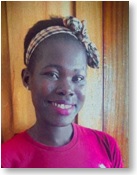 During the month of July as I was giving health education to the community, I met a woman who complained of stomachache. She told me that she went to a funeral the other day, but when she came back her stomach has been aching a lot. I talked to her and advised her to go for a check-up at the nearest facility. I did some follow-ups on her after the visit and she told me she was diagnosed with typhoid and was given medication. Now she is doing fine and is almost finishing her drugs. The community is really embracing us CHWs and appreciating what we are doing.
 Also in July, I referred four clients who had different diseases such as malaria and typhoid to a clinic. Out of the four people I referred, one was diagnosed with malaria and the other with typhoid. They were given drugs and are doing well.
—CHW Carren Osomo
Stomachache Due to Typhoid
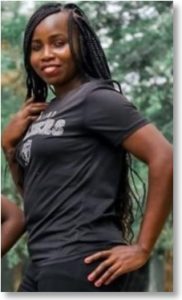
I discovered a case in a household where two children experienced stomachache while at kindergarten. The mother thought that the food that her children ate in school was the cause. The children explained that they had drunk water directly from the tap for a period of some time. I referred them to Kuoyo dispensary where the doctors examined them, diagnosed them with typhoid and gave them medication. The children are now doing well.
—CHW Tracy Agatha Achieng’
Cough Due to Tuberculosis (TB)
 Nowadays cough is a normal sickness to many because they tend to assume that whenever they get a cough, they can go buy over-the-counter (OTC) antibiotics. I met a woman who had been coughing for some time. She had a tendency to buy OTC drugs, but this time round her condition became severe. I advised her to visit a health facility where fortunately she was diagnosed with TB and now is on the correct drugs. She is out of danger, and no one in her household was affected.
—CHW Imelda Anyango
During a routine household visit, I identified a middle-aged client who had been experiencing a persistent cough, fever and general weakness for several weeks. The client had not sought medical care due to financial concerns and a lack of awareness of the seriousness of the symptoms.
I provided health education to the client and family, counseled them on the importance of early treatment and referred the client to Jaramogi Referral hospital. The client attended the hospital, where he was assessed, diagnosed and started on TB treatment.
 During follow-up home visits, I monitored the client’s progress and encouraged adherence to the prescribed medication and follow-up appointments. Within a few weeks, the client’s condition had improved significantly. The fever had resolved, the cough had reduced and the client was able to resume normal daily activities.
In general, this July I conducted household visits to assess the health status of community members and identify individuals requiring follow-up care. I increased community awareness on disease prevention, personal hygiene, sanitation, nutrition and healthy lifestyle practices through health education sessions. The month’s activities contributed to improved community health awareness, and better treatment adherence.
—CHW Owen Otieno
Sickle Cell Disease
 Sickle cell disease is an inherited blood disorder that affects the red blood cells. Instead of being round and flexible, some red blood cells become rigid and crescent (sickle-shaped). These cells can block blood flow, break down more easily and reduce the amount of oxygen delivered to the body’s tissues.
During my sessions with clients, I met a young mother with a two-year-old daughter who exhibited signs and symptoms of sickle cell disease, such as severe pain, anemia, fatigue and weakness, swelling of hands and feet, vision problems and delayed growth. When I referred the patient to Migosi health center, the child was diagnosed with sickle cell. She is now undergoing treatment. The patient is also taking nutrition therapies, hence responding positively.
—CHW Liz Adhiambo
Drug Abuse
 As part of my routine community health education activities in Obunga, I conducted health education sessions focusing on drug and substance abuse among the adolescents and young adults, particularly young boys. The sessions aimed to continue raising awareness about the harmful effects of substance abuse on mental well-being, physical health and education.
 During the sessions I observed that some young people are vulnerable to the use of substances such as alcohol, bhang, cigarettes and other illicit drugs. The participants further discussed the contributing factors, which included peer pressure, unemployment, idleness, family challenges and easy access to some of these substances. The health education was well received and many participants expressed a commitment to avoiding drug and substance abuse and encouraging their peers to do the same. The health education activities increased awareness of the harmful effects of drug and substance abuse among the community members.
Continued collaboration between the CHWs, local leaders, families, Obunga dispensary or other health facilities and other stakeholders is essential in reducing substance abuse and promoting healthy behaviors among young people in the Obunga slums. The participants applauded the WiRED health programs and vowed to continue working together with us in making sure Obunga is a healthy community. I managed to refer six people with serious addiction issues to the Obunga dispensary for further counseling. They received counseling and are now not taking drugs.
—CHW Daniel Ayieko
Water Treatment
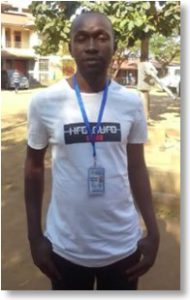 Water treatment is important because it ensures that all the dirt and germs present in the water die. Water can be boiled or treated using chlorine before drinking. Water that is not treated can lead to various diseases such as typhoid and stomach problems. We urged our community members to always make sure that any water that they consume is clean and well-treated.
During the last outreach, I had a client who complained of stomachache. It turns out that there was a water shortage and he and others had to use water directly from the stream. The man was treated and given drugs and is now doing well.
—CHW Zackary Omondi
Headache Due to High Blood Pressure
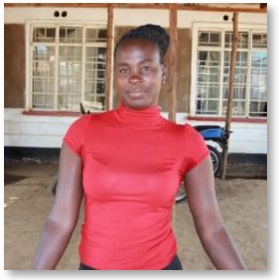 During my fieldwork in one of the areas in my community, I conducted a session with some of my community members. Our topic of discussion was headache. During our discussions a woman who had on-and-off headaches used to go for OTC drugs such as painkillers. After a while the headache would come back. When she explained to me what she was going through and feeling, I advised her to go to the hospital for proper medication and checkups. I therefore referred her to the nearest hospital within the community (Obunga dispensary) to know more about the cause of her on-and-off headache.
The woman later went to the hospital and after some checkups she was diagnosed with high blood pressure. She was given some medications that could manage her pressure and was advised to check her blood pressure often.
—CHW Mary Atieno Ogutu
Menstruation
 I met a 13-year-old girl who had recently started her menstrual period but was scared because she did not understand what was happening to her body. She believed she was sick and was too embarrassed to tell anyone. I spoke with her and her mother and explained that menstruation is a normal and healthy part of growing up. I taught them how to use clean sanitary pads, change them regularly, wash with clean water and soap and dispose of used pads properly. I also encouraged the girl to continue attending school during her period and assured her that menstruation should never stop her from achieving her dreams. A few weeks later I visited the family again. The girl was more confident, had learned how to manage her menstrual hygiene safely and was attending school without fear. Her mother thanked me for providing accurate information and support.
—CHW Janet Awino Ochieng
Cough Due to Pneumonia
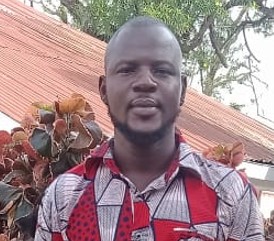 During the month of July, as I was doing my normal door-to-door visit I encountered a client who was complaining of cough and lung congestion. I referred the client to the nearest health center where she was screened and later diagnosed with pneumonia. She received medication and later discharged after review. The client is now normal and back to her business and she thanks WiRED for training heath workers and enabling community members to be empowered with health knowledge and access to health information at their doorstep.
—CHW Vincent Ochieng
