
By Allison Kozicharow; Edited by Staff
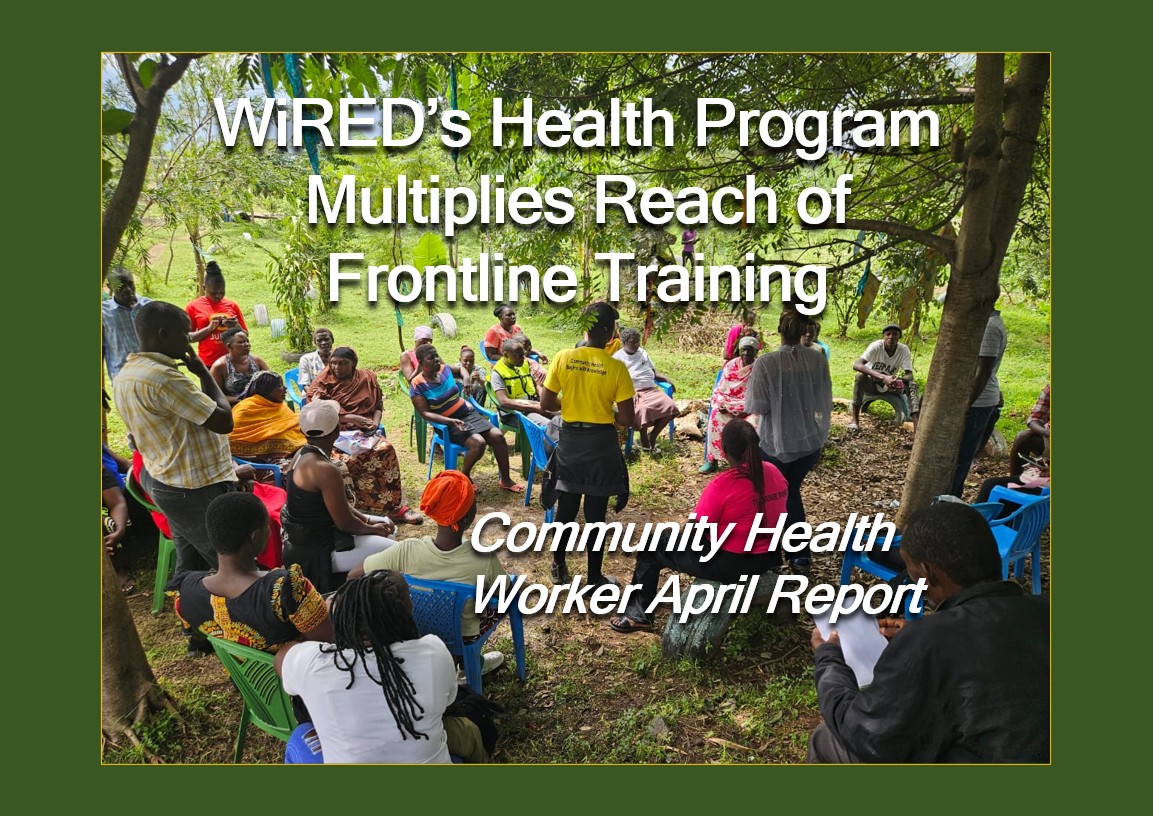
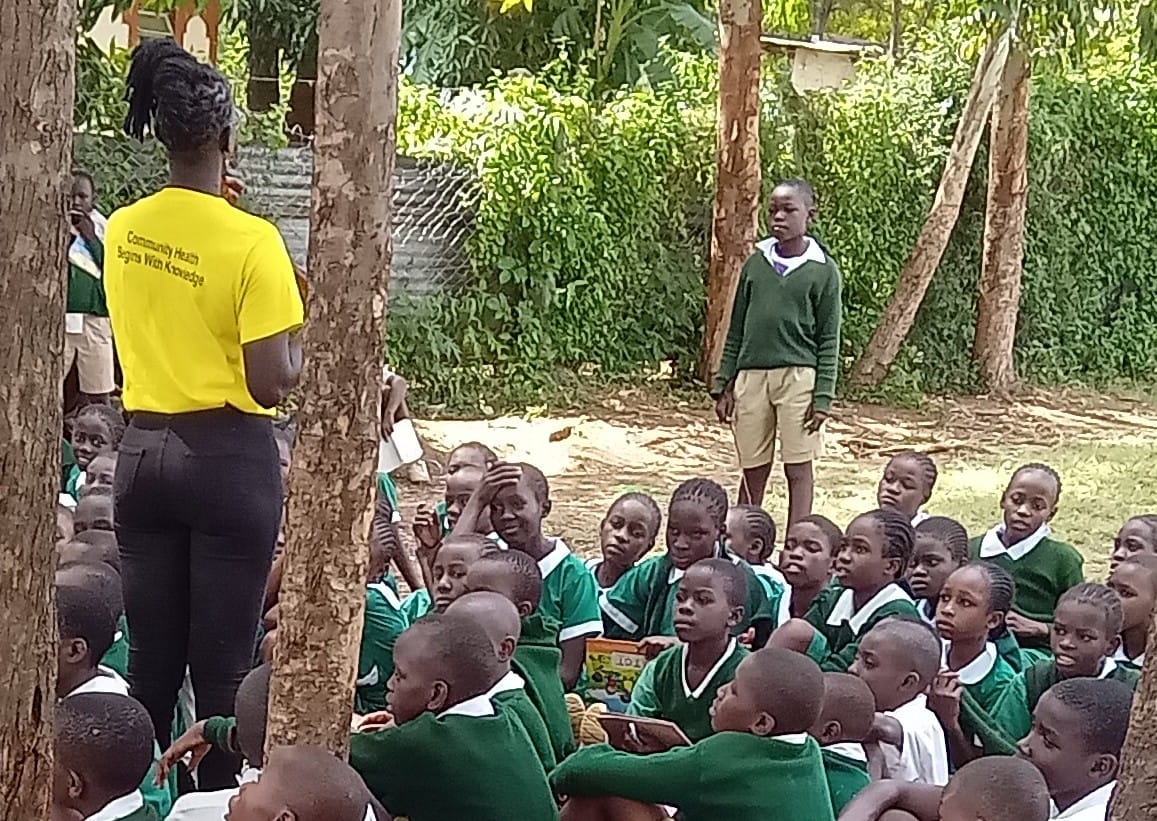
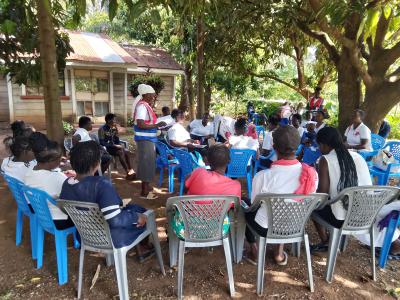
As the flooding continues in Western Kenya, WiRED International’s community health workers (CHWs) in the Kisumu area reached a total of 10,190 people with health services. This number is all the more extraordinary when we note that WiRED’s original paraprofessional team of only 19 members achieved this feat!
Since launching our pilot CHW program during the 2020 COVID-19 pandemic, WiRED has grown our CHW programs into a full-fledged and ever-expanding CHW package (offered without charge to communities and health ministries in underserved regions):
 Basic CHW Training (providing a rigorous curriculum of peer-reviewed modules)
- Advanced CHW Training (deepening clinical knowledge and skills building)
- Special Topics Training (developing specialization in health topics tailored to local needs)
- Continuing Medical Education (requiring CHWs to complete credits to maintain certification)
- Review Training for three groups involved in CHW activities:
- CHWs
- Trainers (train the trainers)
- CHW Supervisors
 Because a sweeping U.S. policy has effectively dismantled decades of support for global vaccines, medicines and infrastructure, the world’s most vulnerable populations today are staring at a frightening future where healthcare systems have been significantly weakened.
Building on more than a decade of developing CHW training content and delivery systems, we have intensified our efforts over the past year to use education as a practical way to help offset healthcare capacity losses in low-resource regions.
 WiRED is continually looking to form partnerships with health ministries and universities in order to multiply the number of frontline health workers. Our CHW training model has always centered around basic clinical care, emergency medical assistance, disease prevention paired with the crucial element of educating endangered populations to participate in their own care.
CHW Outcomes for April
WiRED’s CHWs record data on home visits, referrals and follow-ups to help others understand the direct interventions and level of care CHWs provide. The following examples of outcomes for April highlight the work and value of WiRED CHWs. Note that these reports are the CHWs’ own personal stories from the field.
Malaria
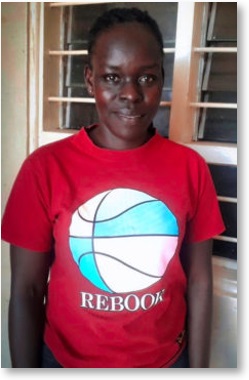 As I was doing my rounds as a CHW I came across a child who exhibited some signs and symptoms of malaria. I talked with her mother and referred the child to the nearest health facility, which is Airport health center. After a follow-up two days later, I learned that the she had been diagnosed with malaria and was given treatment. The child is now doing well, and the mother is very grateful and appreciates WiRED CHWs for educating the community members to be aware of malaria at the community level and on how best they can prevent it.
During the month of April I referred 10 people to the service care provider at Airport health center for malaria testing. Out of my 10 client referrals, all 10 were diagnosed with malaria and were given medication. They are doing well now.
—CHW Millicent Randiki
Tuberculosis (TB)
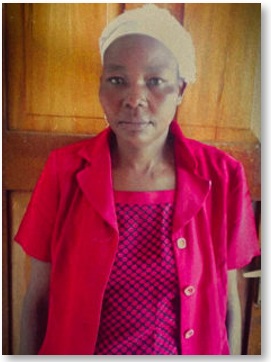 As I was going out in the field educating people on health issues, I came across a man who complained that he experienced coughing on and off. He works at the construction company where there is a lot of dust and this exposes him to contacting TB. I referred him to the health facility for proper diagnosis and was detected with TB. He has been on medication and when he went last for the review he’s now TB negative. He is now healthy and testifies that people should go for tuberculosis checkup. He’s thankful and appreciates the organization for bringing health talks to the community.
—CHW Milka Aoko Nyadiang’a
HIV/AIDS and Sexually Transmitted Infections (STIs)
 During the month of April many youths needed education to raise awareness about STI diseases. We talked and discussed various ways of preventing HIV/AIDs and also to help the many people within the community who already suffer from sexual infections on how to avoid stigmatization. I advised the youths to avoid rampant sexual intercourse to protect themselves and their partners. I said that the best strategy is to abstain from sex. But peer pressure is very strong and causes our girls to ignore this strategy. They suffer a lot, so I urged them to go for checkups after every three months to know their HIV status. The adults in the community want us CHWs to continue with educating their young ones on prevention so that their children can be healthy and productive lives.
—CHW Carren Osomo
 One afternoon during my community visits I met a young woman named Achieng who seemed quite uncomfortable. After some gentle conversation she opened up and told me she has been experiencing pain and unusual discharge, but she was too shy and afraid to seek help. She thought people would judge her, so she kept suffering in silence. I calmly explained to her that STIs are common and can affect anyone. I assured her that there is no shame in seeking treatment and that most STIs’ are treatable when detected early. I educated her about the importance of getting tested, completing treatment and informing her partner so that they could both be treated. I also talked about prevention: using protection such as condoms, having a faithful partner and going for regular checkups. I referred her to the nearby health facility. A few weeks later I checked in with her. She looked relieved and healthier and thanked me for encouraging her to seek help. She now feels confident enough to educate her friends, too.
—CHW Janet Awino Ochieng
Cholera
 Cholera is a disease that is brought about by eating dirty or contaminated food and drinking dirty water that’s not sanitized. During this rainy season, most people get infected with diseases as a result of dirty water. Some believe that harvesting rain water and using it is safe, but it is not. This month I centered my health education to the community members on how to identify immediate symptoms, prevent and treat cholera. The prevention measures include treating drinking water, washing hands using soap and running water, building good latrines, cooking foods in a proper manner and going for treatment when infected. As of now the cases found in the community have gone down due to the information given to them by us CHWs.
In April I referred four people who were complaining of a runny stomach to the AP Line dispensary for further assessment. Upon making a follow-up, I found out that one of them was diagnosed with food poisoning. She got treated and now she is out of danger.
—CHW Daniel Ayieko
 During April I came across a certain family in Migosi who were living in a pathetic and poor environment. They had been treated for diarrhea several times, but they didn’t realize it was cholera. Their sewerage connection, drinking water and toilet water were mixing together. Then their pipes broke, making their personal hygiene poor and causing harm to the family. I had to empower them with knowledge on proper hygiene and different diseases caused by lack of hygiene. They called the Kisumu Water and Sewerage Company (Kiwasco), which deals with sewage and water. Kiwasco responded very fast and repaired the pipes. I referred the family’s six people to the Migosi hospital to check for cholera. They were diagnosed with cholera, treated and given medication.
—CHW Lency Mmbone
Depression—Mental Health
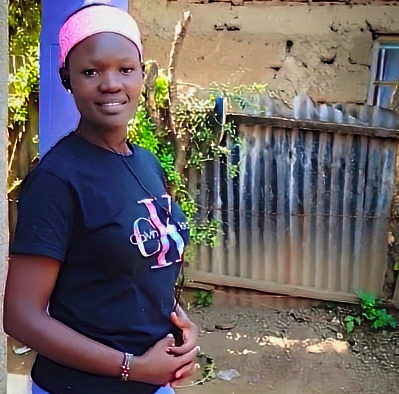 In my health session, we talked about the topic of depression. We discussed that depression isn’t just feeling sad—it’s a real and often overwhelming condition that can affect how you think, feel and function day to day. I educated the class about common signs: such as persistent low mood or emptiness, loss of interest in things you used to enjoy, low energy or constant fatigue, changes in sleep (too much or too little), difficulty concentrating, feelings of worthlessness or guilt and thoughts about death or suicide. I therefore managed to reach four clients who were depressed; therefore, I referred them to Migosi hospital for therapies such as counseling, medication when appropriate, lifestyle changes (sleep movements, social connection) and support from others. Depression is treatable and even talking to one trusted person can help lighten the load a bit.
—CHW Liz Adhiambo
Menstrual Health
Most women use to suffer from the lack of the sanitary towels and during their menstruation cycle they have to suffer a lot because people believe that menstruation is a curse to the women from God. Due to the fact that CHWs are now talking openly about menstruation and its hygiene, infections that can occur due to unhealthy behaviors have been reduced and the women now know that if an infection occurs they have to report to the health facility.
CHWs also informs the community members to make sanitary towels using the available local materials.
—CHW Milka Aoko Nyadiang’a
Child Abuse and Rape
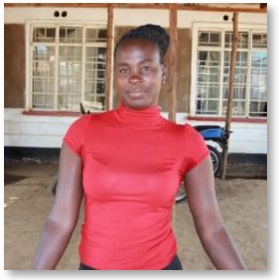 As I was doing my field work in my community of Obunga, there was a woman I came across who has always maltreated her biological child. When I talked to the woman she told me that the child was born outside wedlock and that the husband never wanted her. When I dug deeper I realized that the husband has also been raping the girl. That touched me so much, and, with the help of the neighbors I managed to talk to the child, a girl about 14 years old, and take her to the Jaramogi Oginga Odinga Teaching and Referral Hospital. There the girl was properly checked by the doctor and the results demonstrated that she was indeed being raped. With the help of the doctors, the man was later arrested and is serving a jail term at the prison. After the arrest of the husband, the woman was counseled about the benefits of a girl child and also the importance of girl child education. At the moment the mother lives peacefully with her only child and has also taken her to school through the help of some community leaders and members.
—CHW Mary Atieno Ogutu
Waterborne Diseases
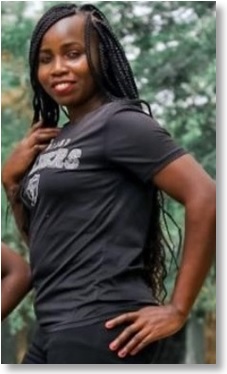
Climate change is currently affecting many people in the community. It has been raining continuously; thus, the inadequate drainage systems and pit latrines are overflowing and people are getting sick. I referred one woman to Kuoyo dispensary, where she was diagnosed with bilharzia (aka schistosomiasis). Bilharzia is a waterborne disease caused by worms living in snails. She contracted bilharzia because she removed her shoes and walked barefoot through areas that were flooded and contaminated from the heavy rains.
—CHW Tracy Agatha Achieng’
Influenza and Cold
 During this month, I came across a certain family who had had flu and colds for the longest period. They just assumed that it’s a normal thing and it’s not a must to go to the hospital. I told them the importance of visiting the hospital and also we talked about TB, which sometimes acts like colds and flu and also kills if not treated. They were happy to have my health information I immediately referred eight family members to the Nyawita dispensary for further testing and medication. When I performed follow-up, they tested negative for TB but educated all the same.
—CHW Bunnyce Atieno
Fever
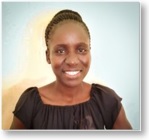 Fever is not a disease in and of itself, but mothers in our locality have a tendency when a child has a fever to rush to buy over-the-counter drugs. I met a mother who was treating fever with a malaria drug. I advised her not to do so because fever can be monitored. I also told her some ways to help relieve the fever and if it is rising to a high degree she should take the child to the health facility. She followed the procedure and then took the child to the facility for a check- up.
—CHW Imelda Anyango
